Odysseus in Front of Scylla and Charybdis
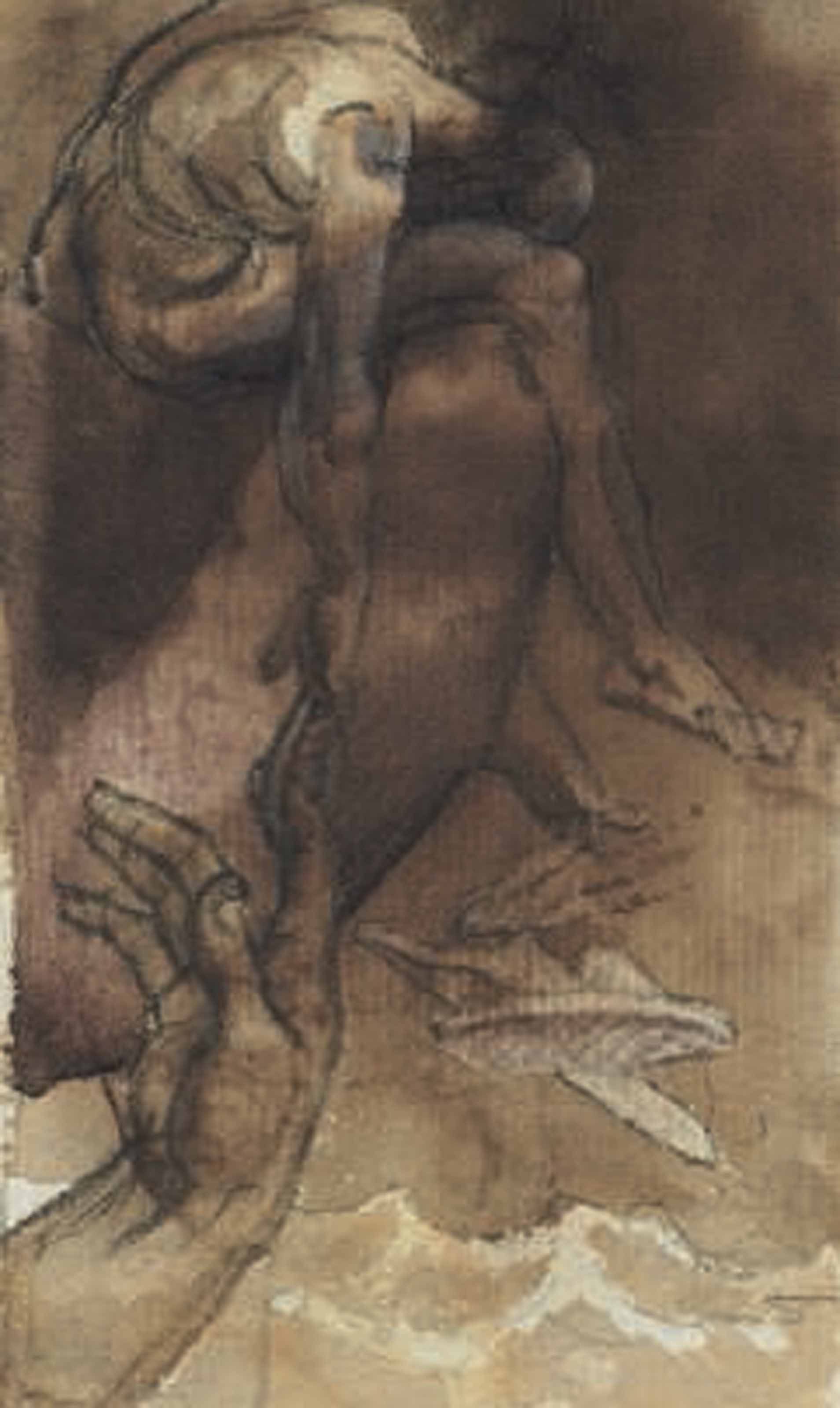
The ship is caught in the narrow strait between two deaths: the whirlpool Charybdis that swallows the sea and the six-headed monster Scylla that snatches men from the deck. Fuseli paints the moment as pure nightmare — dark water, straining bodies, and terror breaking over the crew.
Homer has Odysseus arm himself even though he has been told weapons are useless, and Fuseli seizes on exactly that: the hero standing against something that cannot be fought. The gloom and violent gesture are his signature.
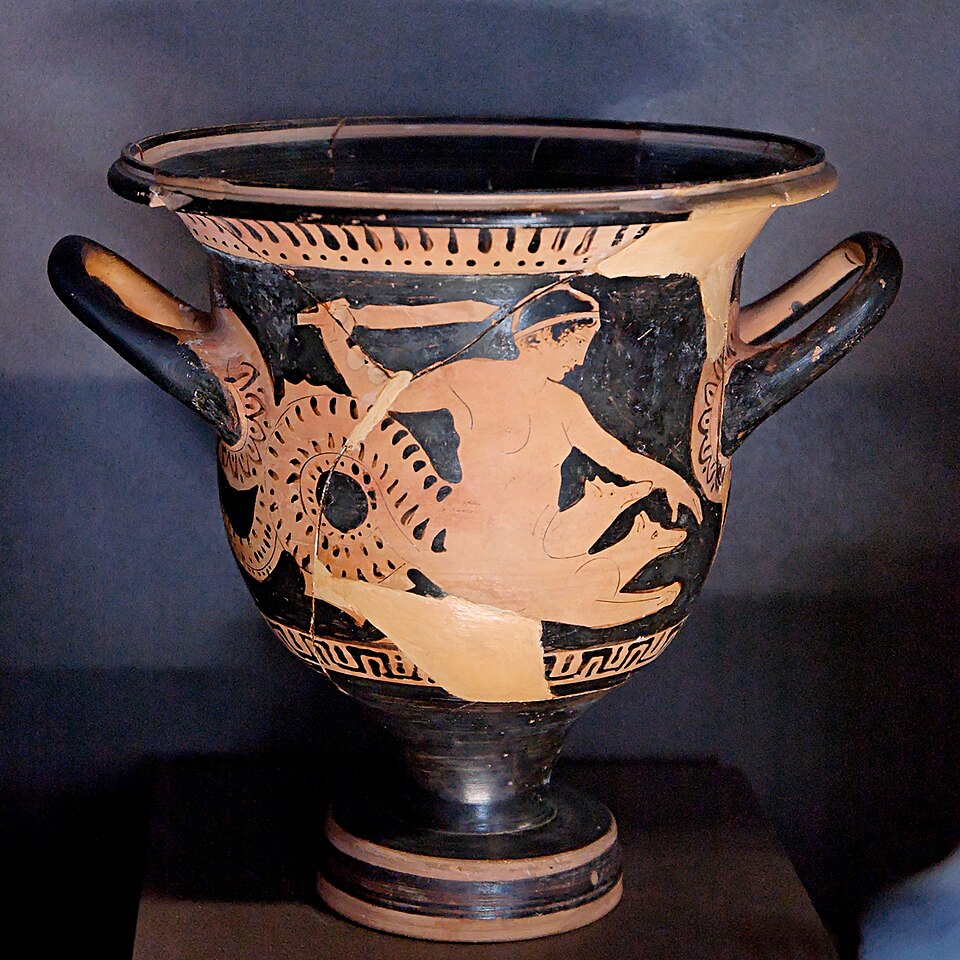
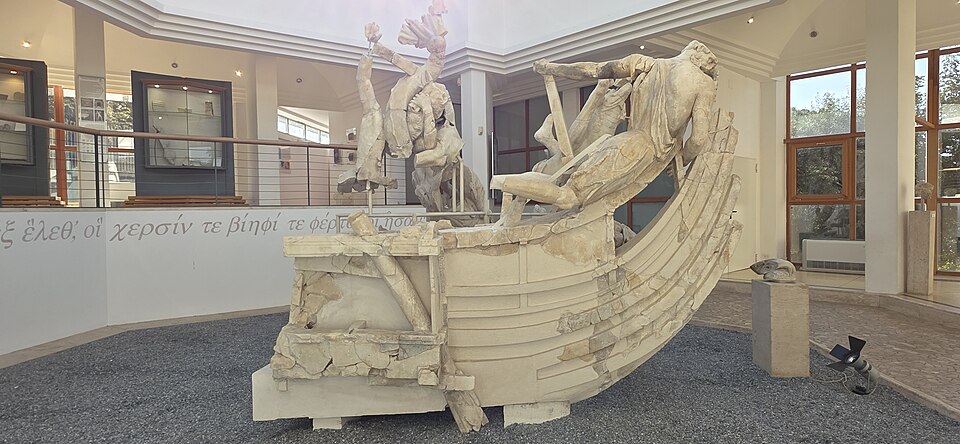
The next passage offers no good choice. On one side of a narrow strait, under a fig tree, is Charybdis: a whirlpool that swallows the whole sea three times a day and spews it back. On the other side, in a cliff-face cave, lives Scylla: six heads on six long necks, each mouth packed with three rows of teeth.
Circe's advice was cold arithmetic — steer close to Scylla, because Charybdis takes the whole ship and Scylla takes only six men. Odysseus puts on his armor anyway, unable to simply stand and watch. It changes nothing. While every eye is on the whirlpool, the six heads strike the deck and lift six rowers into the air, calling his name as they go. It is, he says later, the most pitiful thing he saw in all his years at sea.
Henry Fuseli (1741–1825) was a Swiss-born painter who made his career in London, where he became a Royal Academy professor. He returned throughout his life to scenes of horror and the supernatural from Homer, Shakespeare, and Milton.