Hermes Ordering Calypso to Release Odysseus
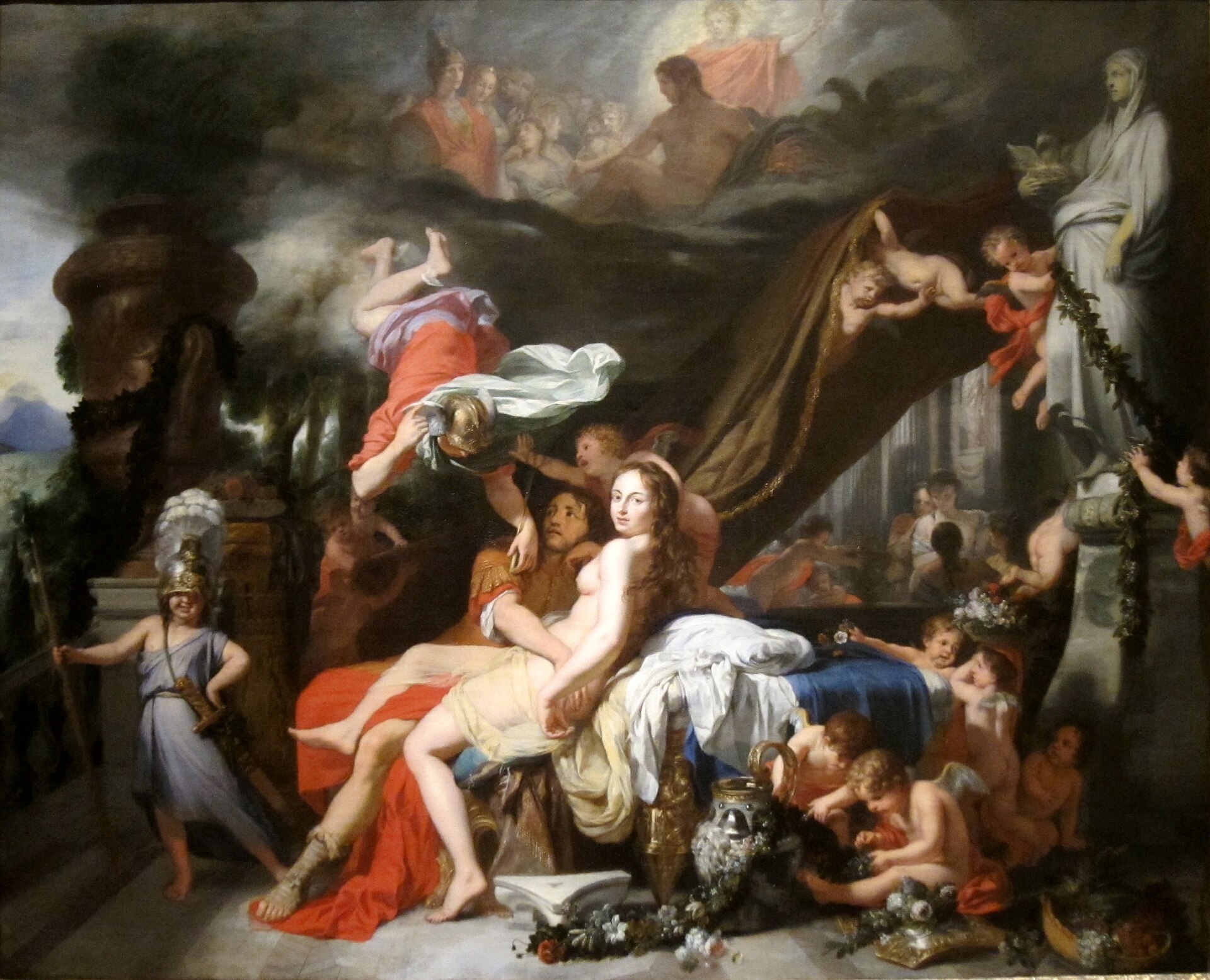
The winged messenger Hermes has just landed on Calypso's island, carrying an order from Zeus: let Odysseus go. Calypso, seated among her nymphs, hears the command she cannot refuse. The setting is a bright, stagey classical grove, arranged like a scene from an opera.
Lairesse paints the one moment in the story where the gods' machinery becomes visible — the exact instant Odysseus's luck turns, though he is nowhere in the picture. The elegant poses and cool colors reflect the French classical taste Lairesse loved.
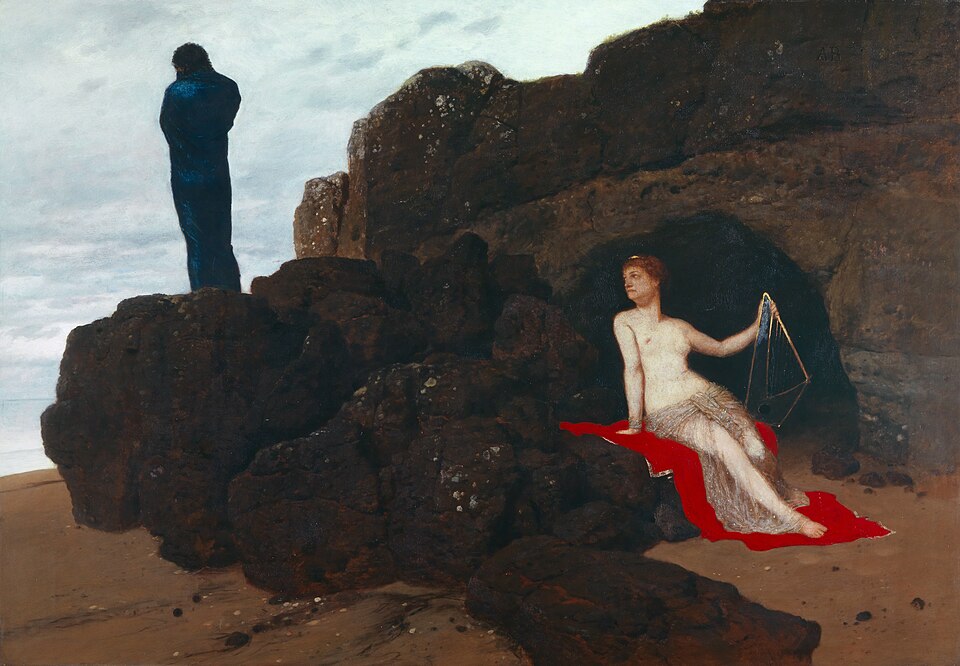
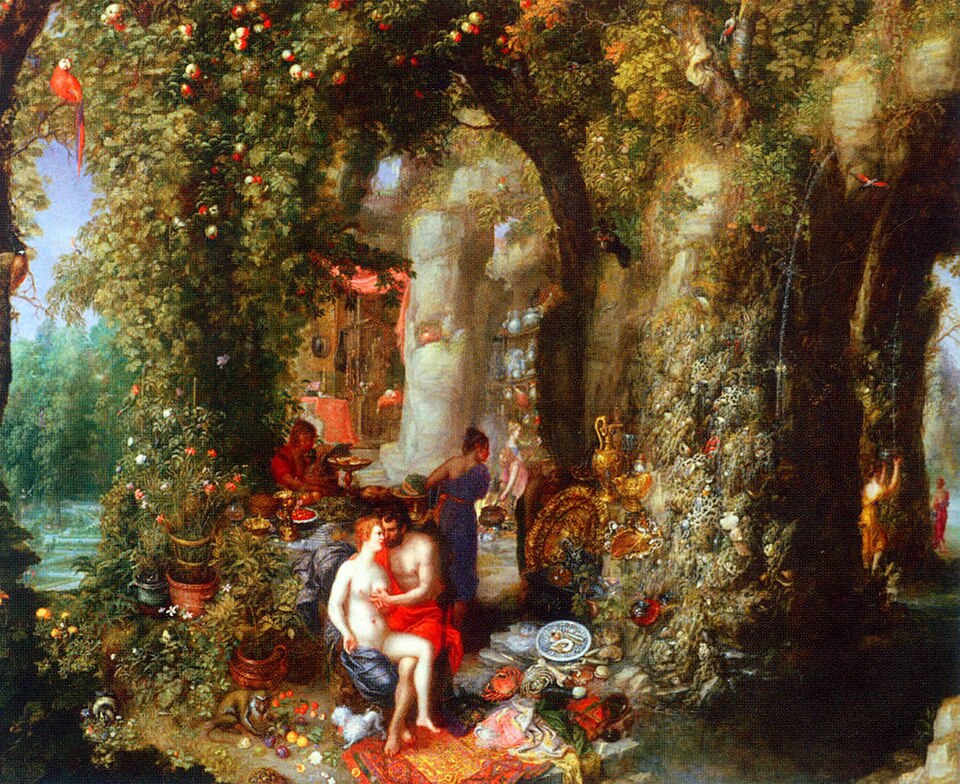
The island is Ogygia, home of Calypso, a goddess-nymph who lives in a cave surrounded by alder woods, meadows, and vine-hung springs. She takes in the castaway, falls in love with him, and simply keeps him — for seven years. She offers the one bribe no mortal is supposed to refuse: stay, and never age, and never die.
He refuses it, politely, every day. He spends his days on the shore, staring at the horizon and weeping for Ithaca and for Penelope, his wife. When Calypso points out that no mortal woman can match a goddess, he agrees with her — and asks to go home anyway. It is the poem's clearest statement of what its hero actually wants: not immortality, but his own one life back.
Gerard de Lairesse (1641–1711) was a Dutch painter and art theorist, so devoted to classical order that contemporaries called him the 'Dutch Poussin.' When blindness ended his painting career, he dictated two influential books on the theory of art.