The Death of Achilles
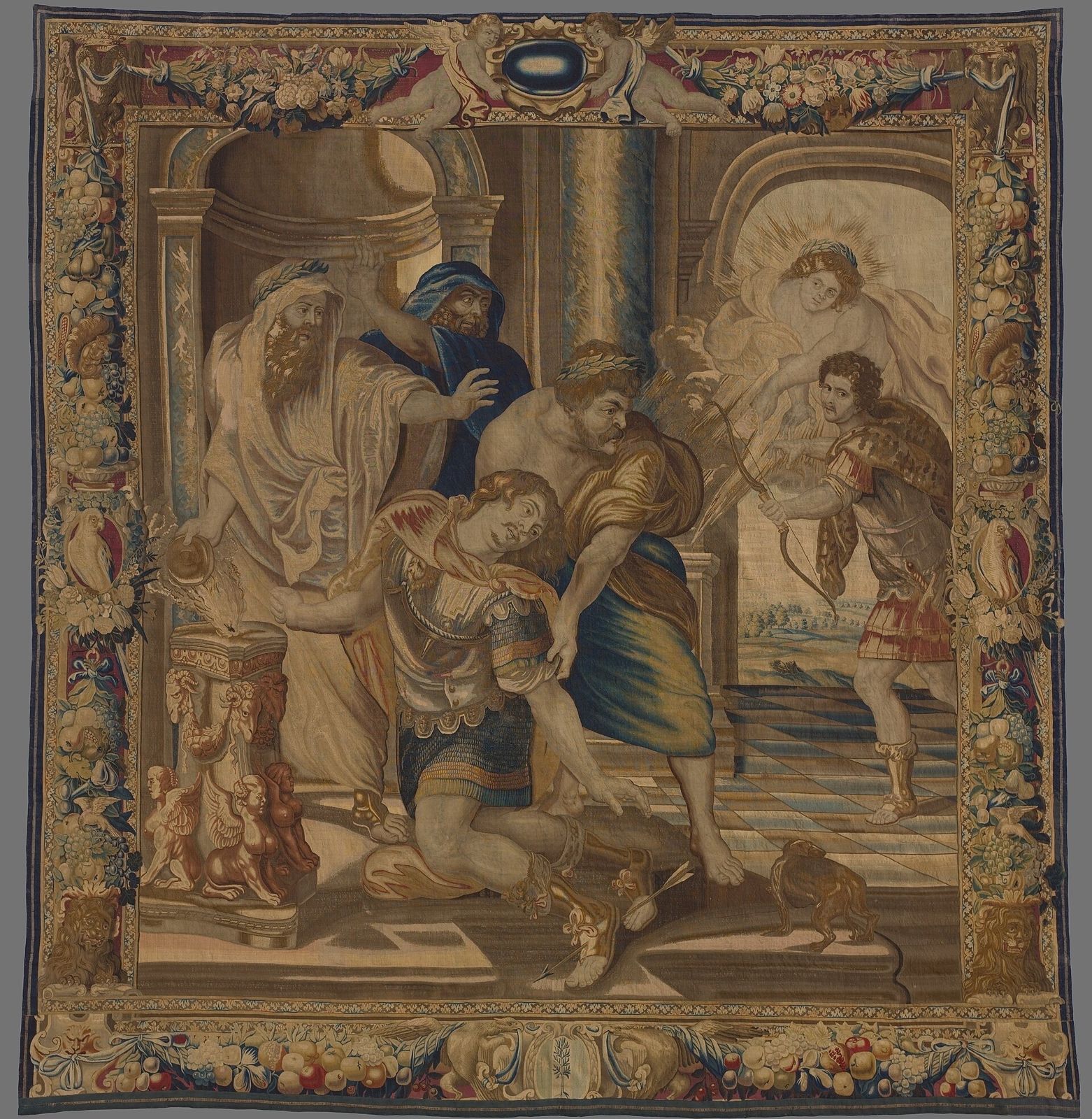
Achilles dies not on a battlefield but in a temple, where he had come expecting a marriage. Paris shoots from cover, the god Apollo guiding his aim, and the arrow finds the one mortal spot — his heel. Achilles staggers, clutching at the altar as he falls.
This is the final scene of Rubens' Achilles series, sketched with the speed and confidence of a painter thinking out loud. The framing columns mark it as a tapestry design. Rubens chooses the version of the legend where the invincible man is brought down by treachery in a holy place — strength undone by a trick, which is how the whole war was won.
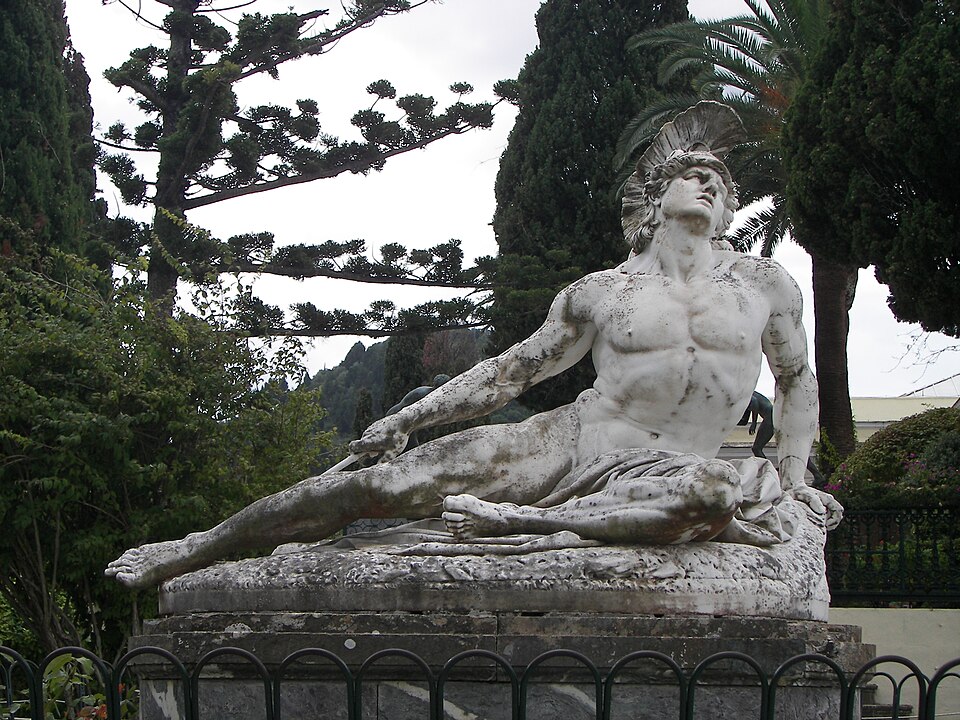
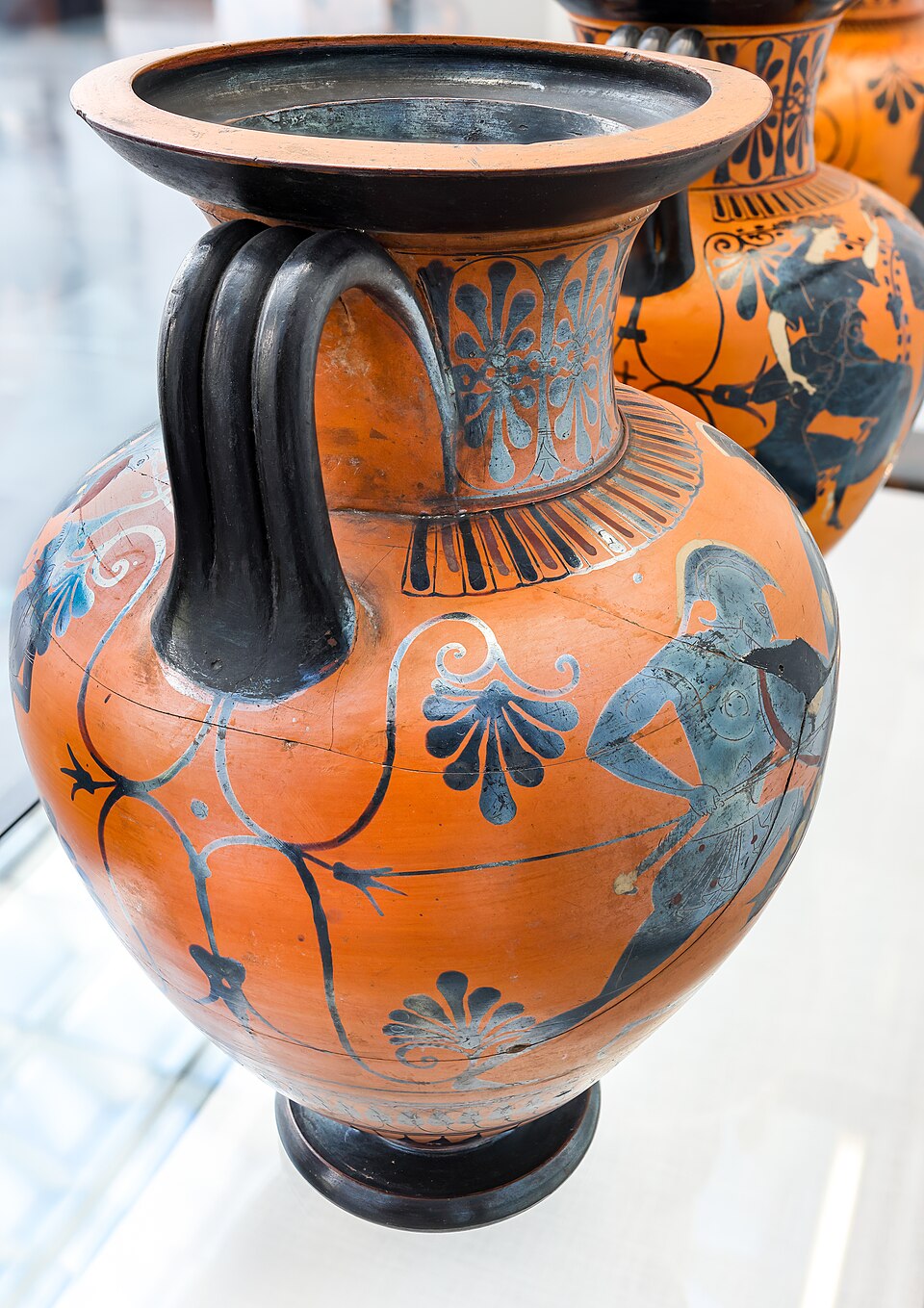
Homer's poem stops, but the story doesn't. Achilles' promised death comes soon after Hector's. In the fighting at the city gates, Paris — the man who started it all, no one's idea of a great warrior — shoots an arrow, and Apollo guides it into Achilles' one mortal spot: the heel his mother held when she dipped him in the Styx.
The greatest warrior of the age is killed by the war's least impressive man. The Greeks fight all day to recover his body, Ajax carrying the corpse while Odysseus holds off the Trojans. Achilles gets exactly the bargain he chose: a short life, and a name that has now outlasted the city he died attacking.
Peter Paul Rubens (1577–1640) closed his Achilles cycle with the hero's death, a subject Homer never narrates directly. A lifelong scholar of the classics, Rubens drew on the later legends around the Iliad as freely as on the poem itself.