Ulysses and Circe
.png)
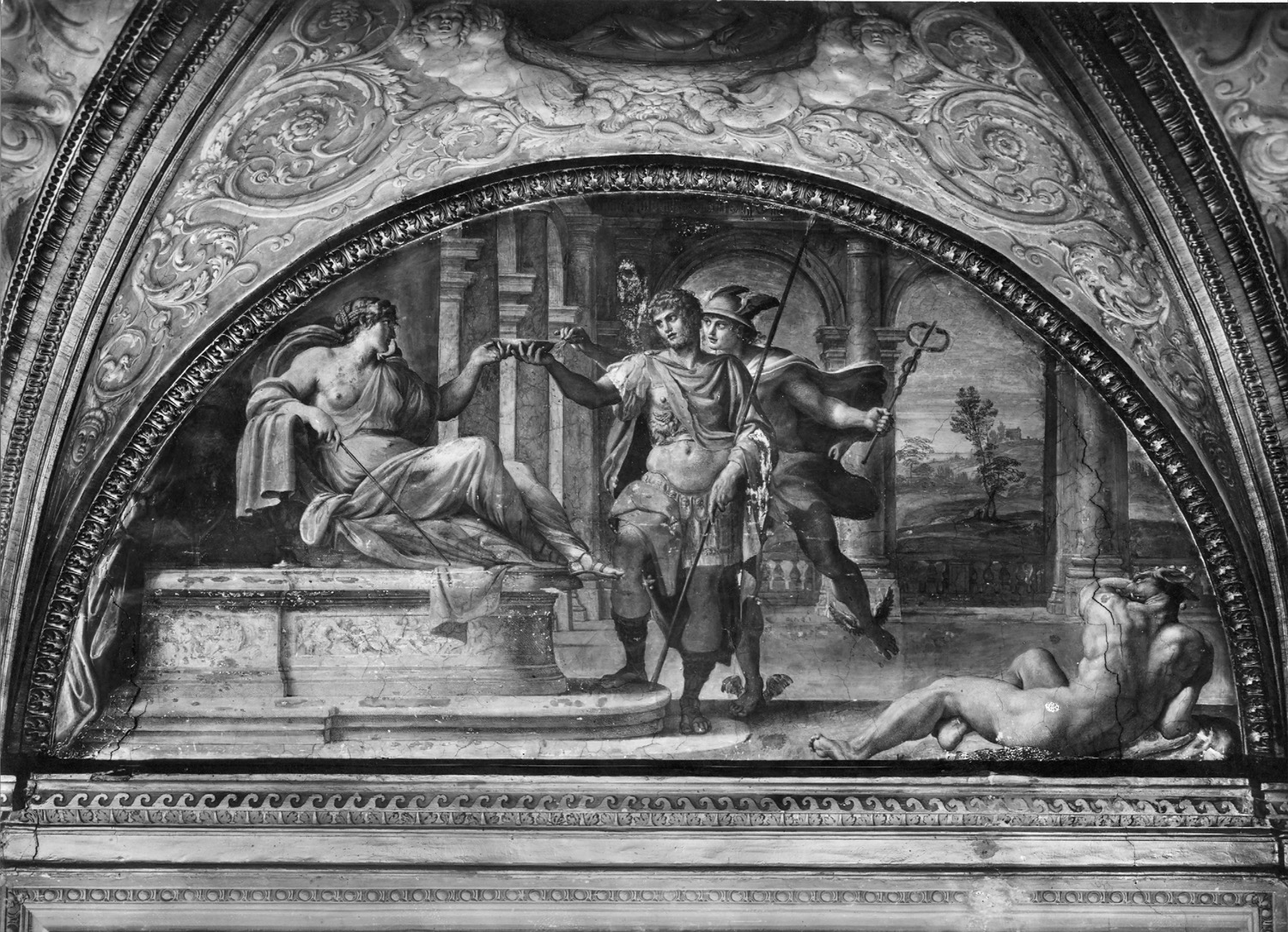
Circe offers Ulysses the drugged cup, but the trap is already broken: the god Mercury appears beside the hero, providing the protective herb that makes him immune. Around the edges of the scene, the fate he is escaping is on display — companions already turned to beasts.
Annibale painted this as part of the Camerino, a small room of Hercules and Ulysses scenes celebrating virtue overcoming temptation for the Farnese family. The fresco reads like a moral diagram, but the figures are painted with the warmth and solidity that made Annibale famous.
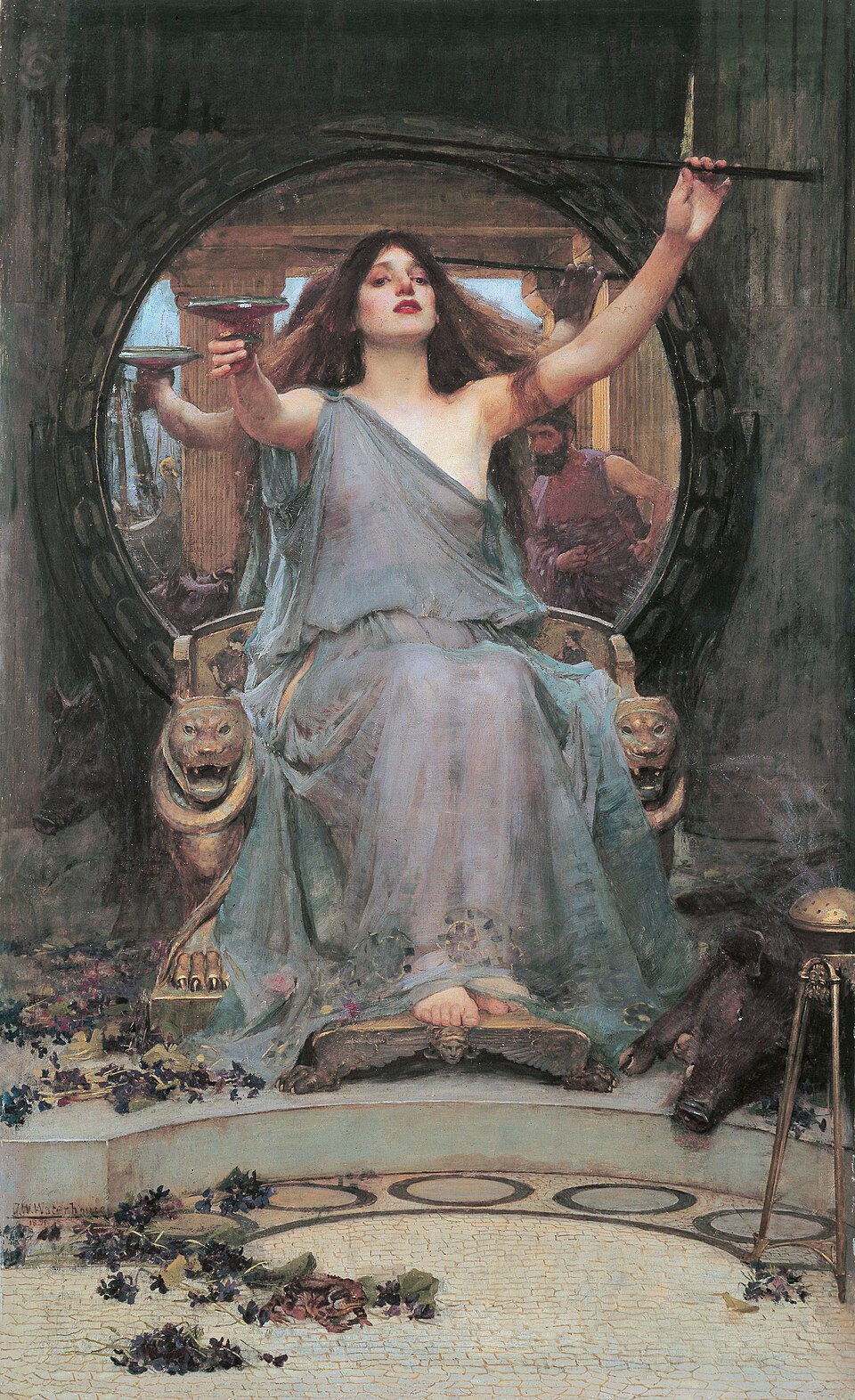
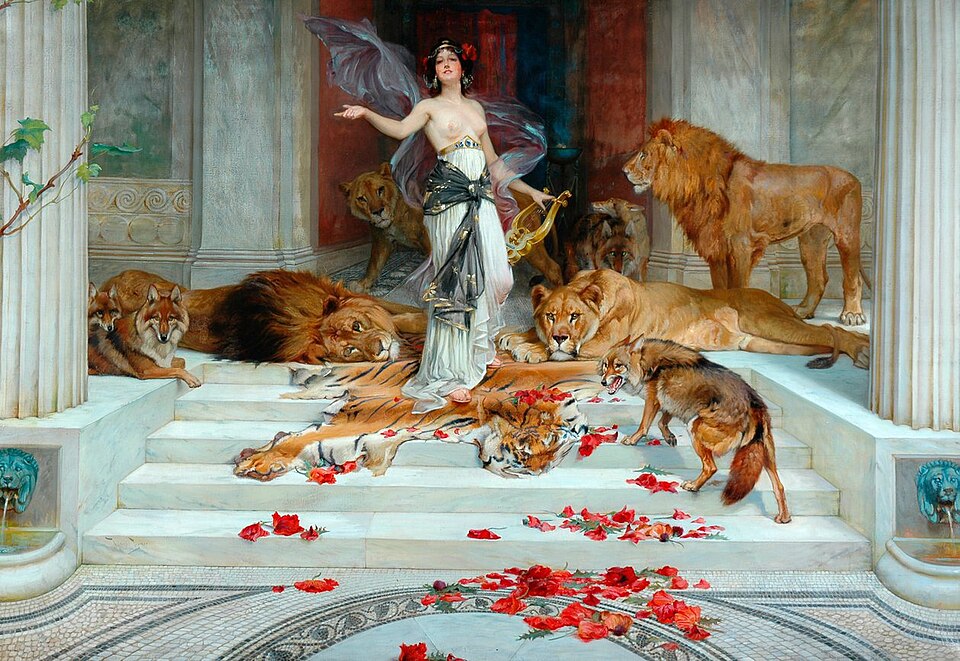
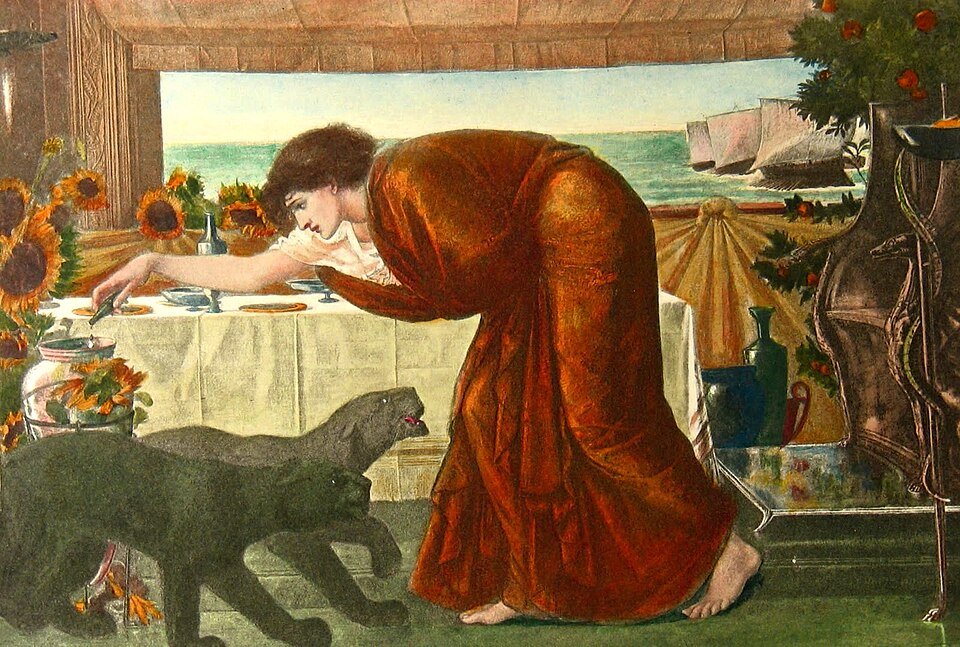
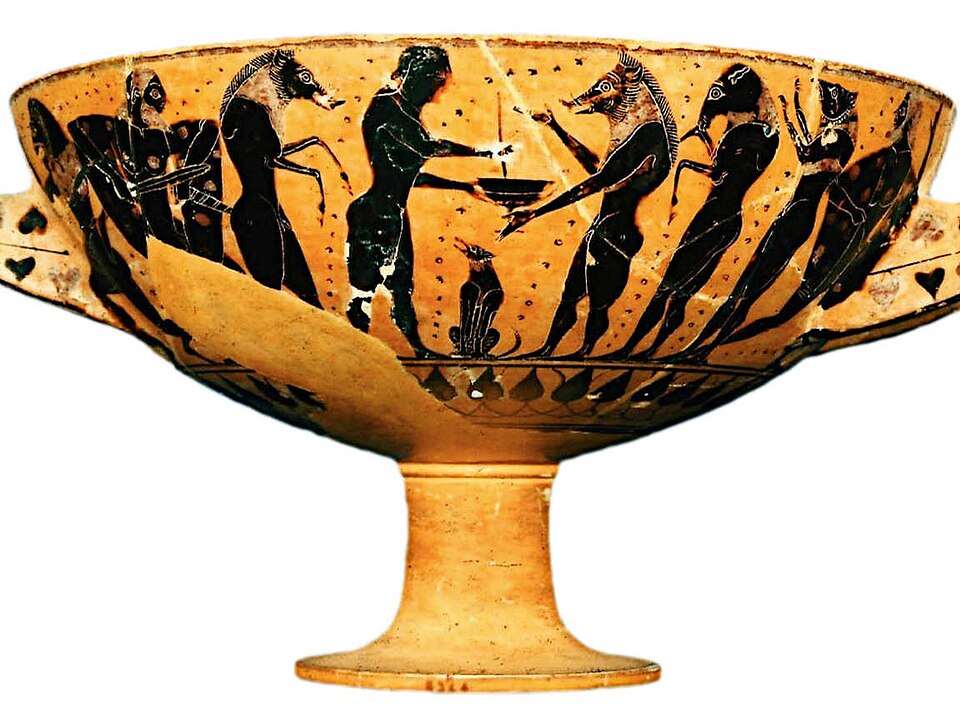
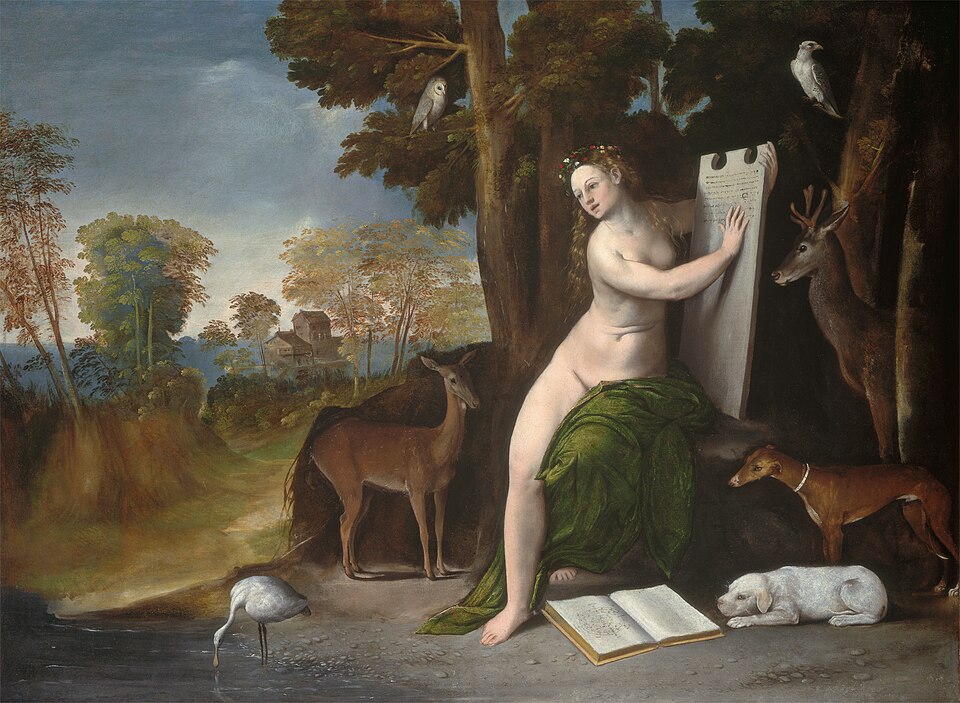
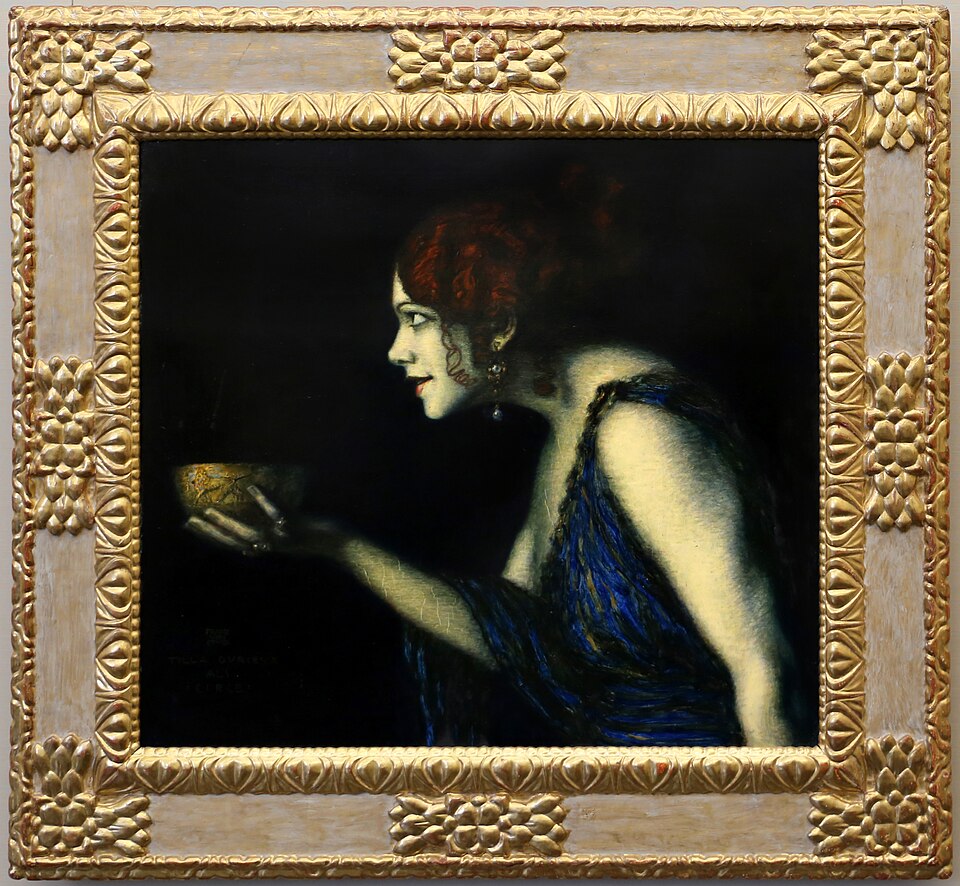
The single surviving ship reaches Aeaea, the island of Circe, a goddess and an enchantress. A scouting party finds her stone house in a clearing, guarded by wolves and mountain lions that fawn like dogs — men she has already transformed. She invites the sailors in, feeds them drugged cheese and wine, touches them with a wand, and turns them into pigs: pig bodies, human minds.
One man escapes to warn Odysseus, who goes back alone. On the way the god Hermes stops him, gives him a protective herb called moly, and tells him exactly what to do. Circe's drug fails; when she raises her wand, Odysseus draws his sword. Recognizing the man a prophecy warned her about, she restores his crew and takes him as her lover.
They stay a year, resting and feasting, until the crew reminds their captain that home still exists. Circe does not try to keep him. But she tells him the road home runs through a place no living man visits: he must sail to the edge of the world and question the dead.
Annibale Carracci (1560–1609) of Bologna led the reform of Italian painting at the end of the sixteenth century, steering it away from Mannerist artifice and back toward nature. His Farnese Gallery ceiling in Rome shaped a century of European decoration.