The Death of Priam
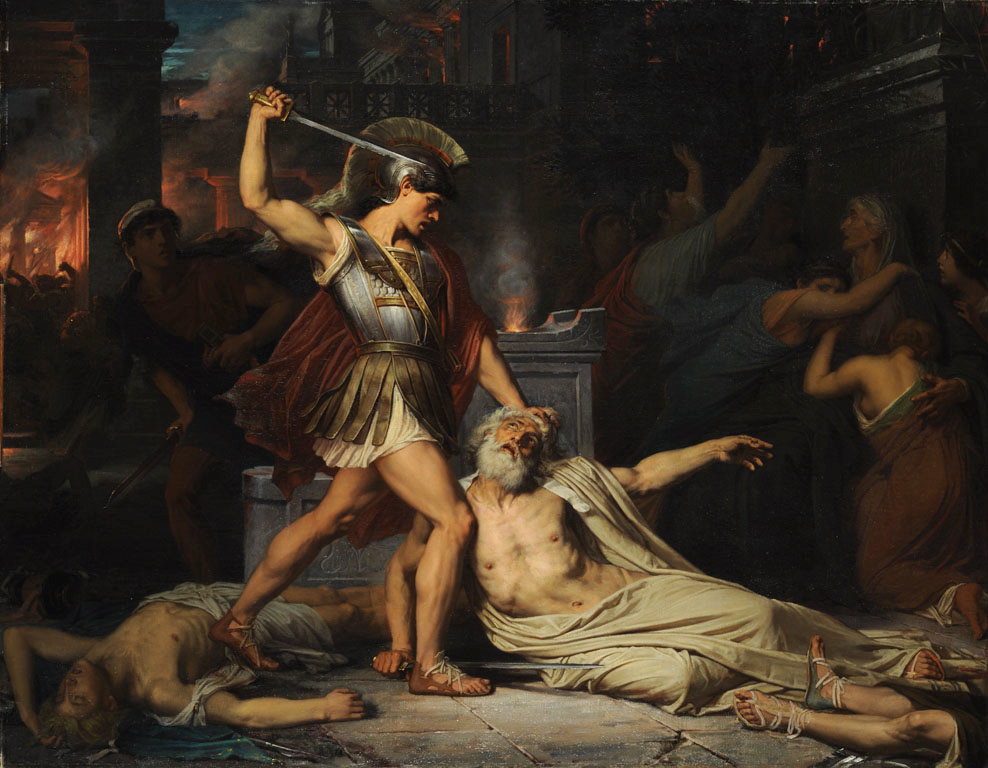
The last king of Troy dies at his own altar. Old Priam, who once knelt before Achilles and was spared, is shown at the mercy of Achilles' son Pyrrhus during the sack — the sanctuary of the gods offering no protection at all.
Lefebvre painted this in 1861 for the Prix de Rome, and it won. The competition demanded exactly this kind of scene: nude and draped figures, violent action, a classical text — and Lefebvre delivers it with the smooth, athletic finish that would make him one of the most decorated academic painters in France.
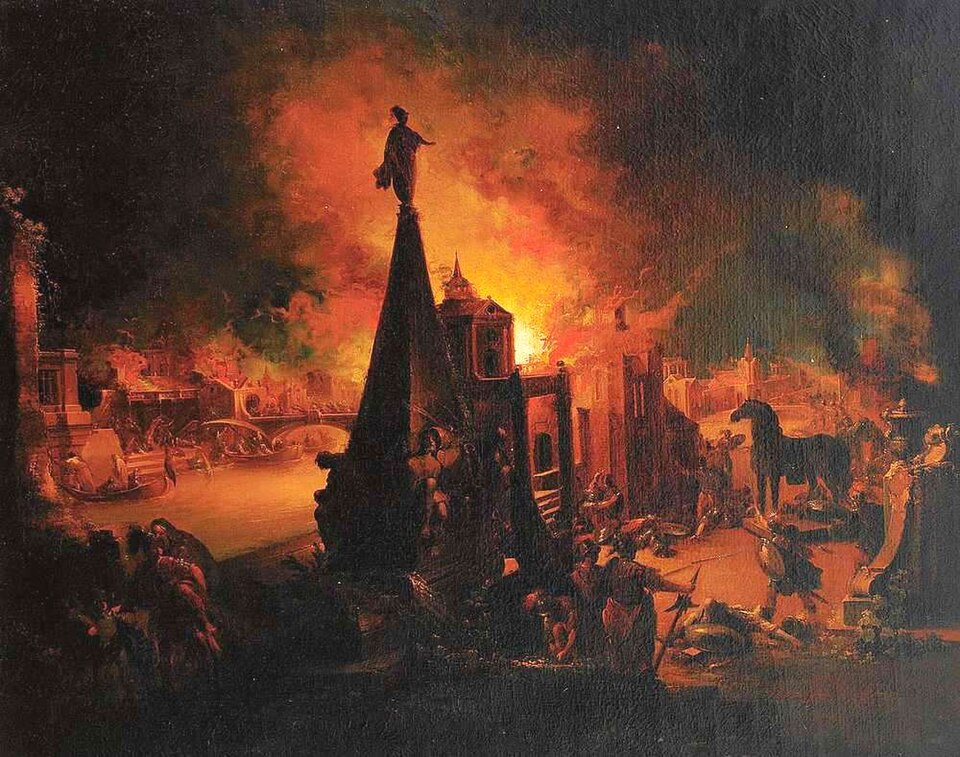
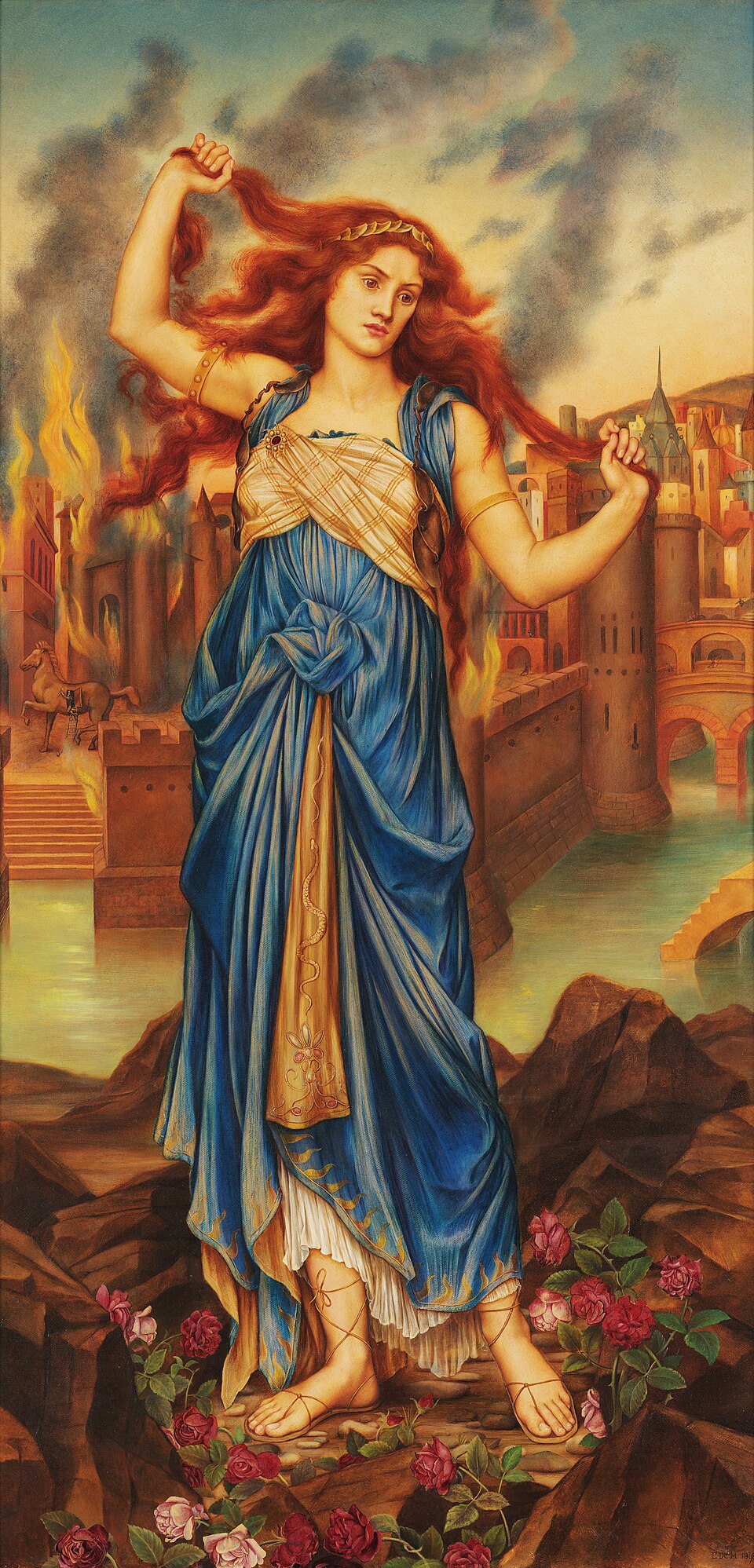
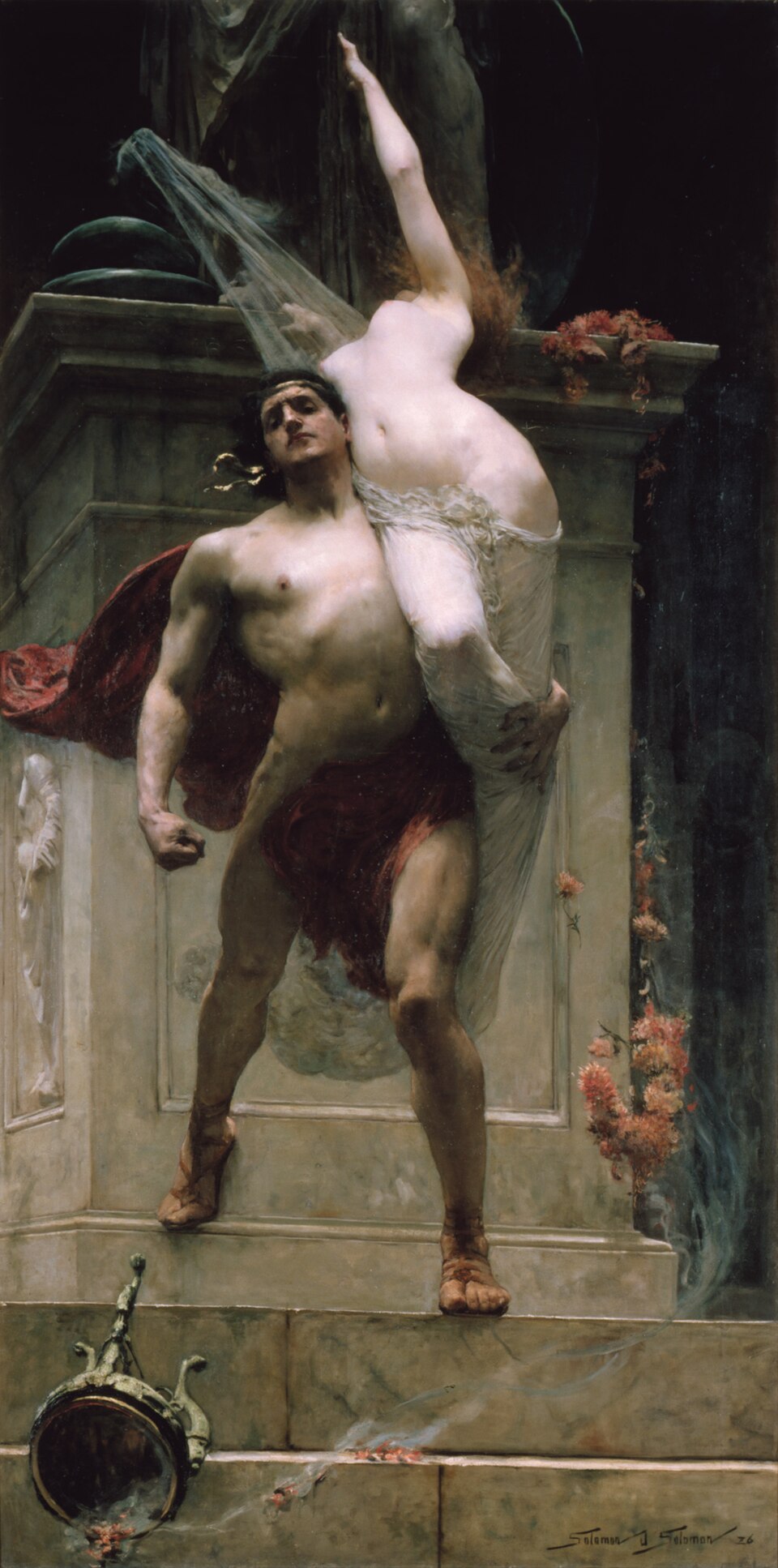
Troy falls in a single night, and it is not a battle — it is a massacre in the dark. The Greeks pour through the opened gates into a sleeping city. Old King Priam is cut down at his own altar by Neoptolemus, Achilles' teenage son. Cassandra, Priam's daughter, who was cursed to prophesy the truth and never be believed, is dragged from Athena's temple.
Hector's small son is thrown from the walls. The women of the royal house — Hecuba the queen, Andromache, Cassandra — are divided among the victors as slaves. Helen, the cause of it all, is taken back by Menelaus, who raises his sword to kill her and drops it at the sight of her face.
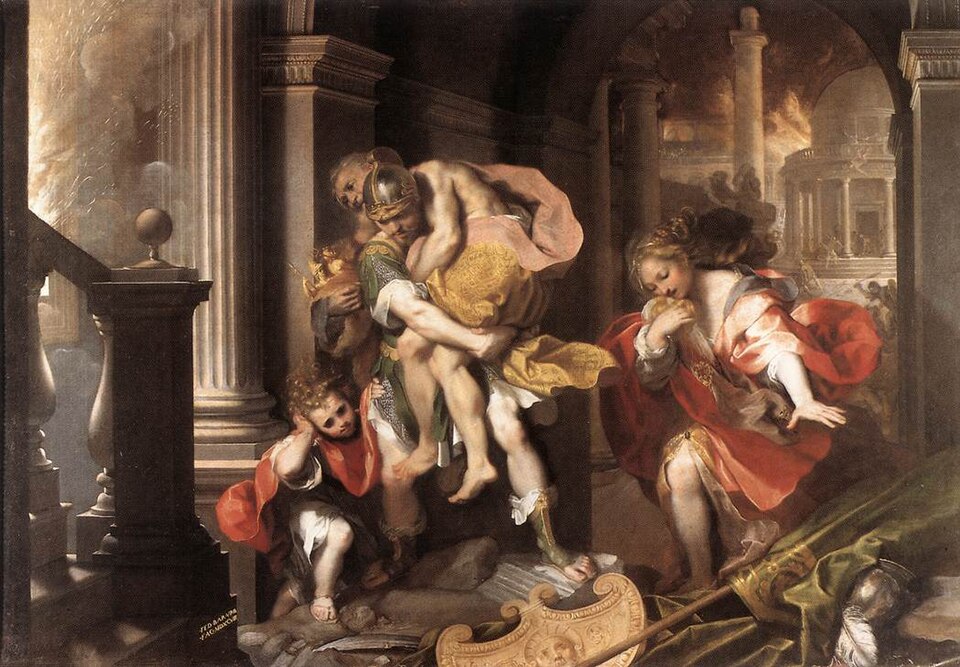
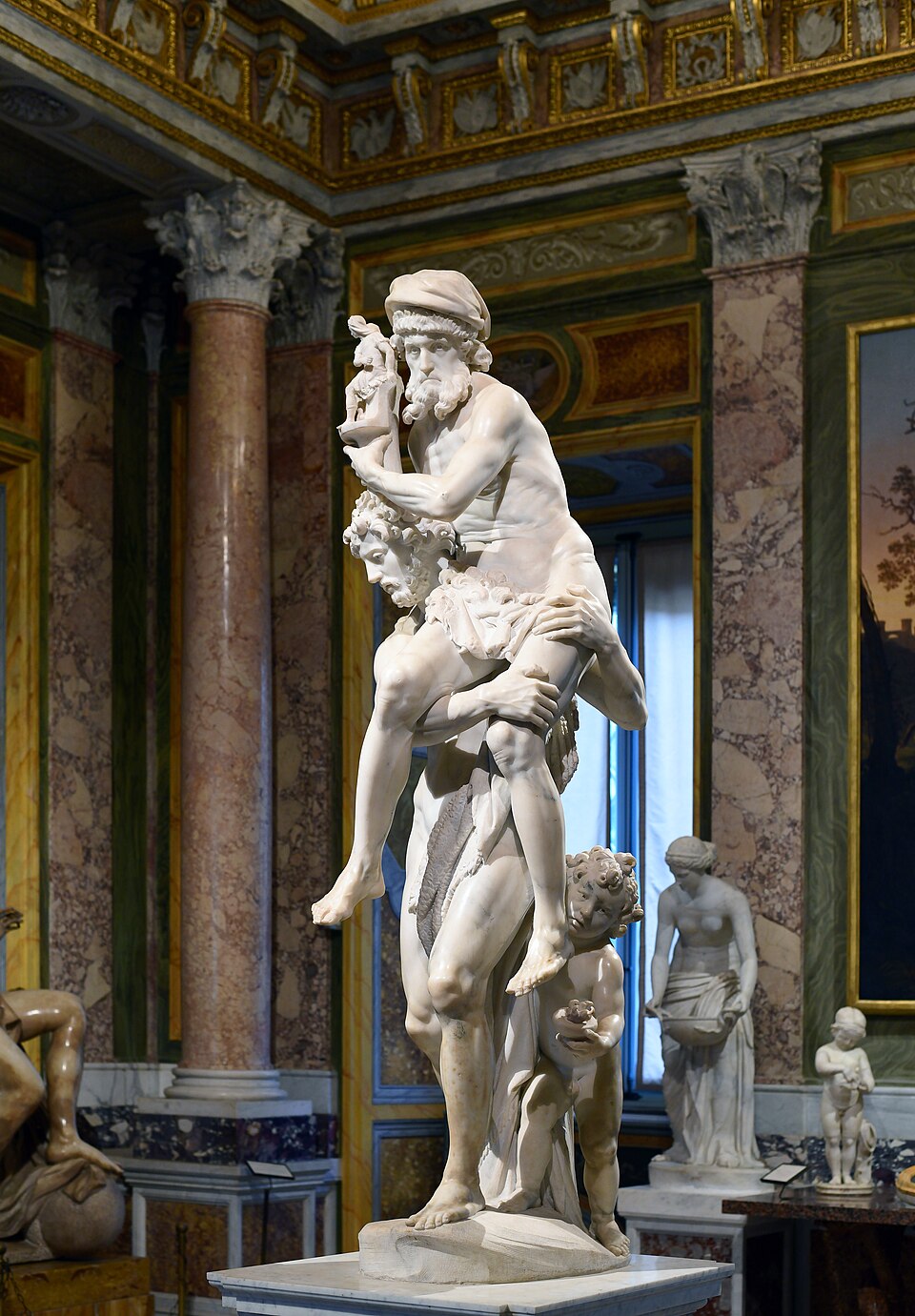
A handful escape. Aeneas, a Trojan prince, carries his old father on his back out of the burning city, his young son holding his hand — the remnant that Roman legend says will one day found Rome. The Greeks sail home to their own disasters, and the ten-year war ends the way the gods planned it at a wedding: in fire.
Jules Lefebvre (1836–1911) was a pillar of the French academic establishment, famous for idealized female figures and for his teaching at the Académie Julian, where students from all over the world — many of them future rebels — passed through his studio.