The Burning of Troy
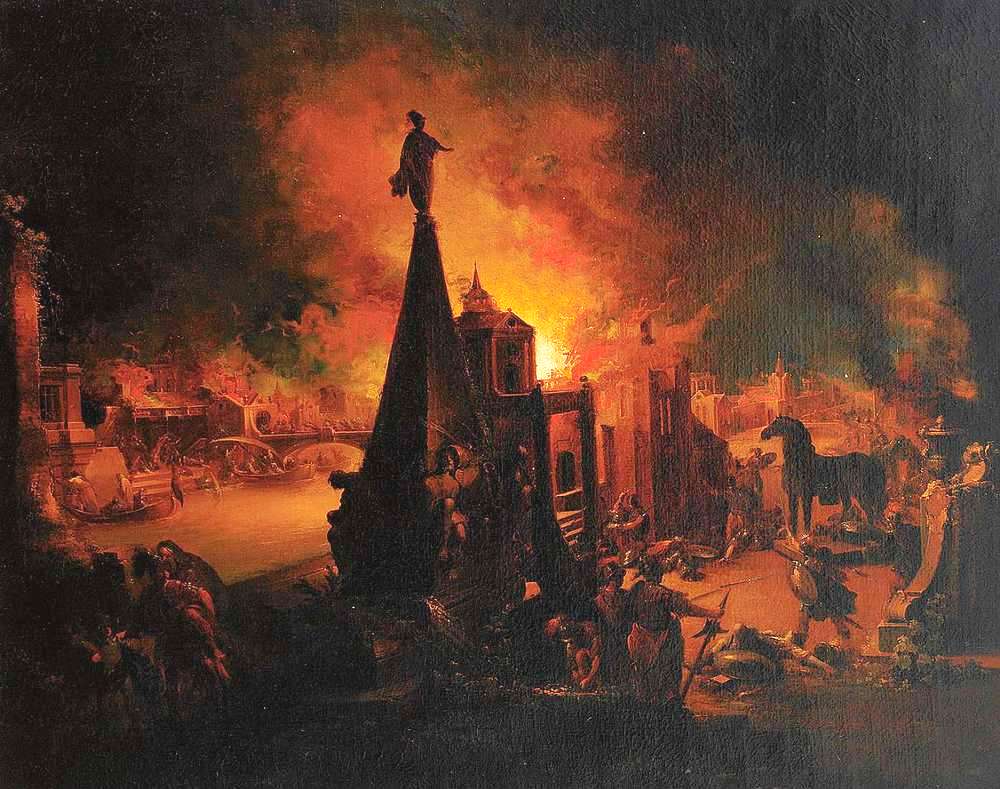
Troy burns at night. Fire pours from towers and gates, silhouetting broken architecture, while tiny figures flee across the foreground with whatever they can carry. The city itself — not any hero — is the subject.
Trautmann was a specialist: he painted burning cities and nocturnal fires again and again, and Troy gave the perfect excuse for his favorite effects of flame against darkness. The young Goethe knew such a Troy fire by Trautmann from his family circle in Frankfurt and remembered it in his autobiography.
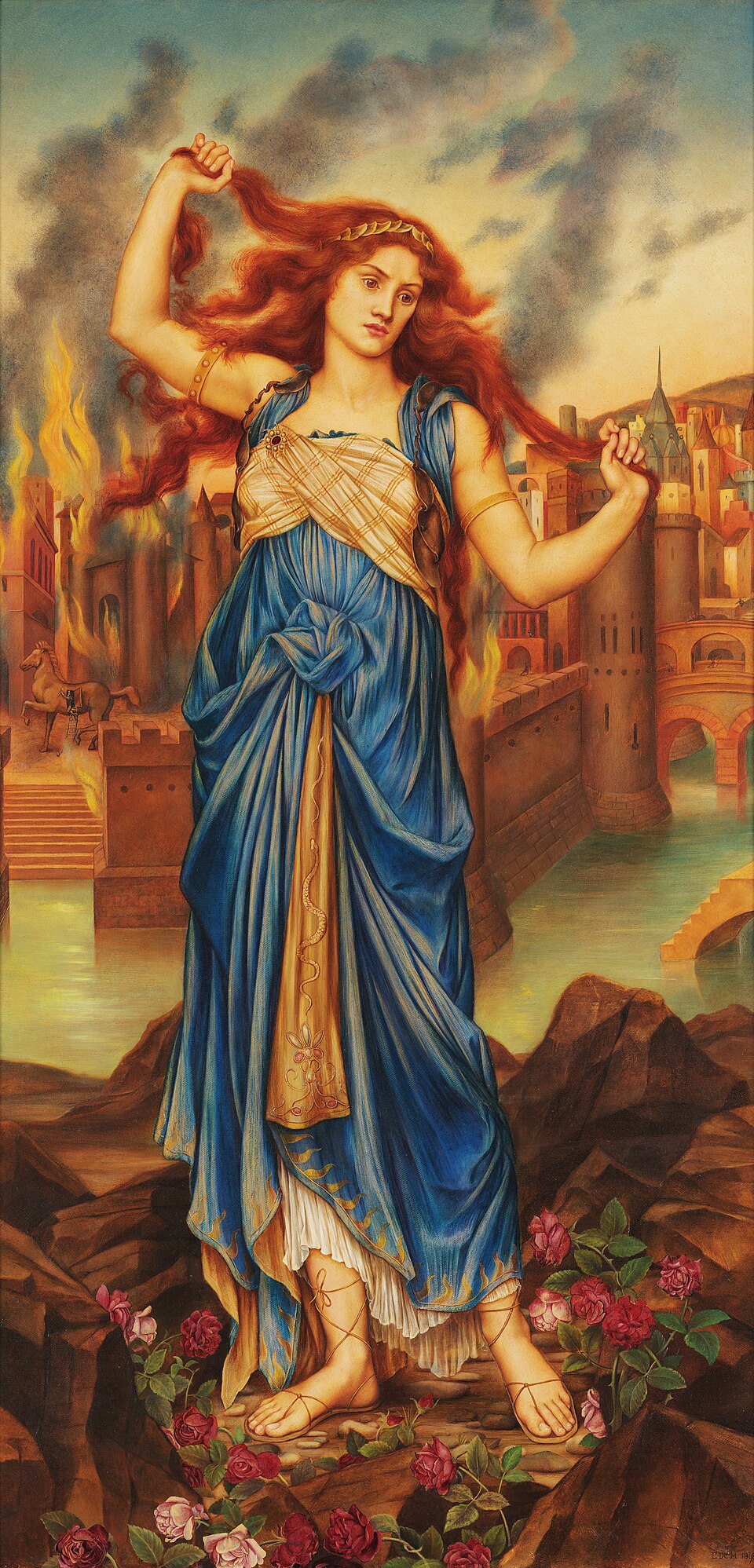
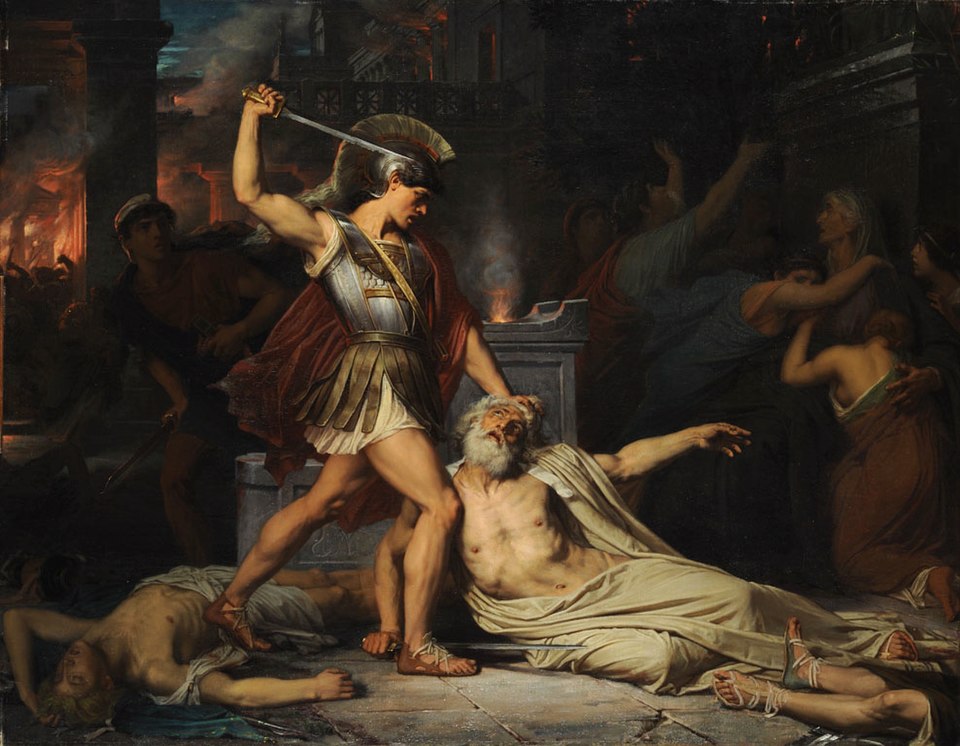
Troy falls in a single night, and it is not a battle — it is a massacre in the dark. The Greeks pour through the opened gates into a sleeping city. Old King Priam is cut down at his own altar by Neoptolemus, Achilles' teenage son. Cassandra, Priam's daughter, who was cursed to prophesy the truth and never be believed, is dragged from Athena's temple.
Hector's small son is thrown from the walls. The women of the royal house — Hecuba the queen, Andromache, Cassandra — are divided among the victors as slaves. Helen, the cause of it all, is taken back by Menelaus, who raises his sword to kill her and drops it at the sight of her face.
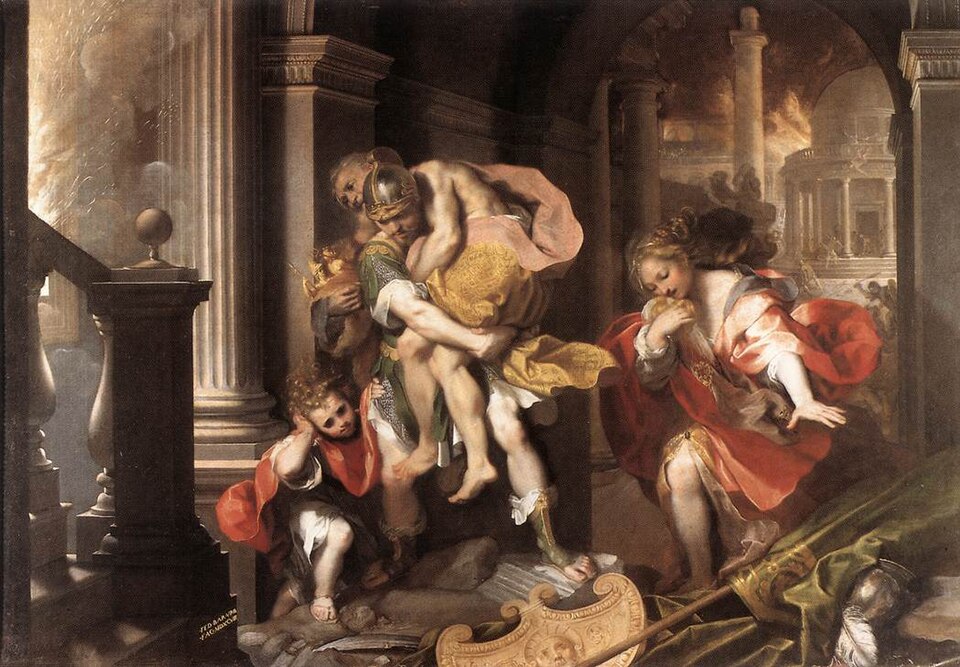
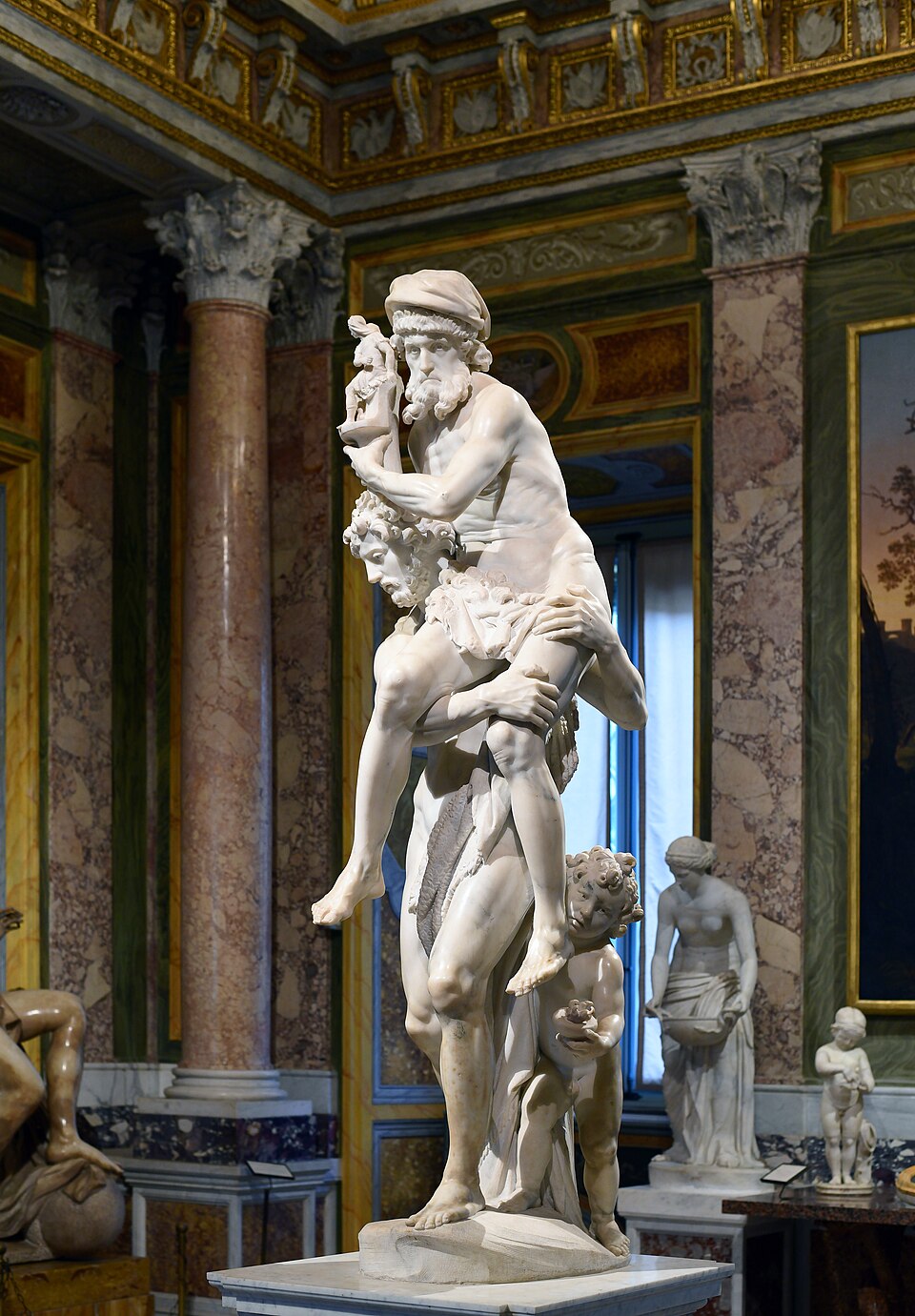
A handful escape. Aeneas, a Trojan prince, carries his old father on his back out of the burning city, his young son holding his hand — the remnant that Roman legend says will one day found Rome. The Greeks sail home to their own disasters, and the ten-year war ends the way the gods planned it at a wedding: in fire.
Johann Georg Trautmann (1713–1769) was a German painter based in Frankfurt, admired for small cabinet pictures of fires, night scenes, and ruins in the manner of Rembrandt's followers. Burning Troys became something of a signature for him.