Ajax and Cassandra
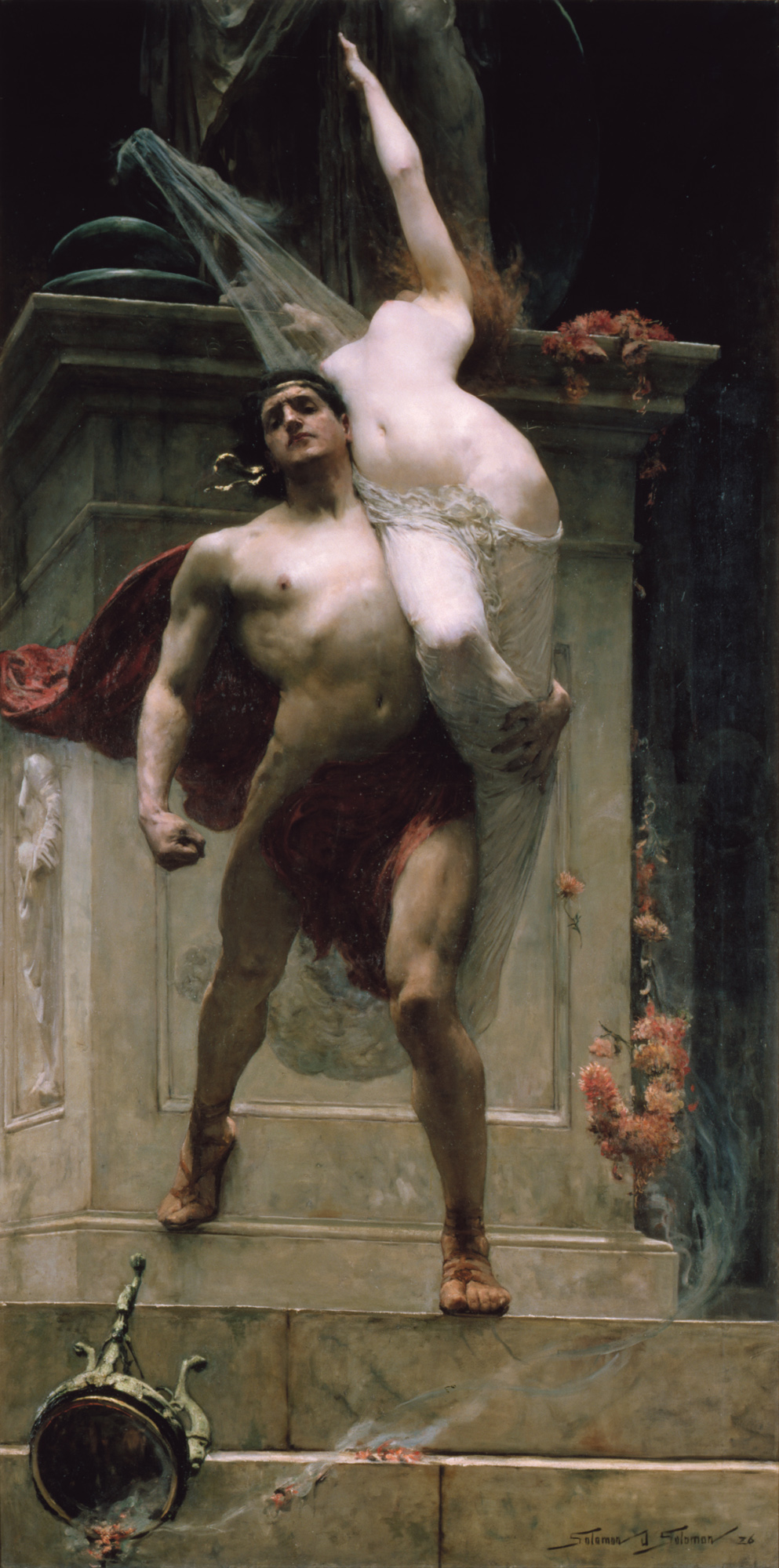
During the sack of Troy, the prophetess Cassandra clung to the statue of Athena for sanctuary — and Ajax the Lesser tore her away from it. Solomon paints the abduction at full physical pitch: the armored warrior hoisting the twisting, unwilling woman, her arm still stretched back toward the protection that failed her.
Painted in 1886, the canvas is Victorian academic drama at its most muscular, built on heroic anatomy and stage lighting. It caused a sensation when first exhibited and remains the picture by which Solomon is best remembered.
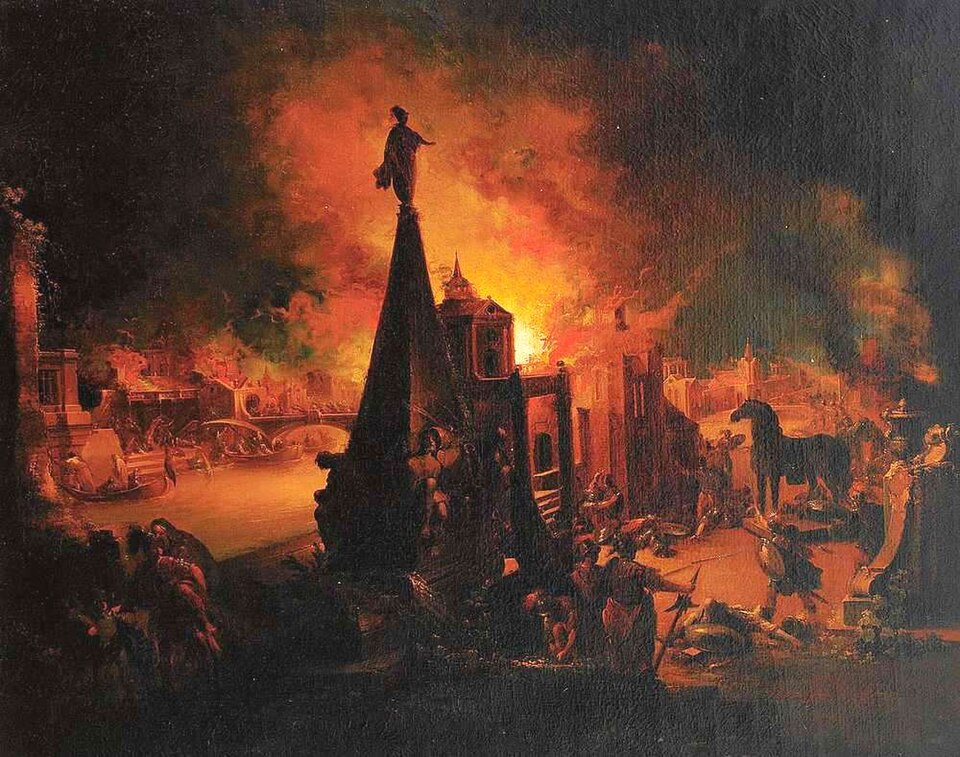
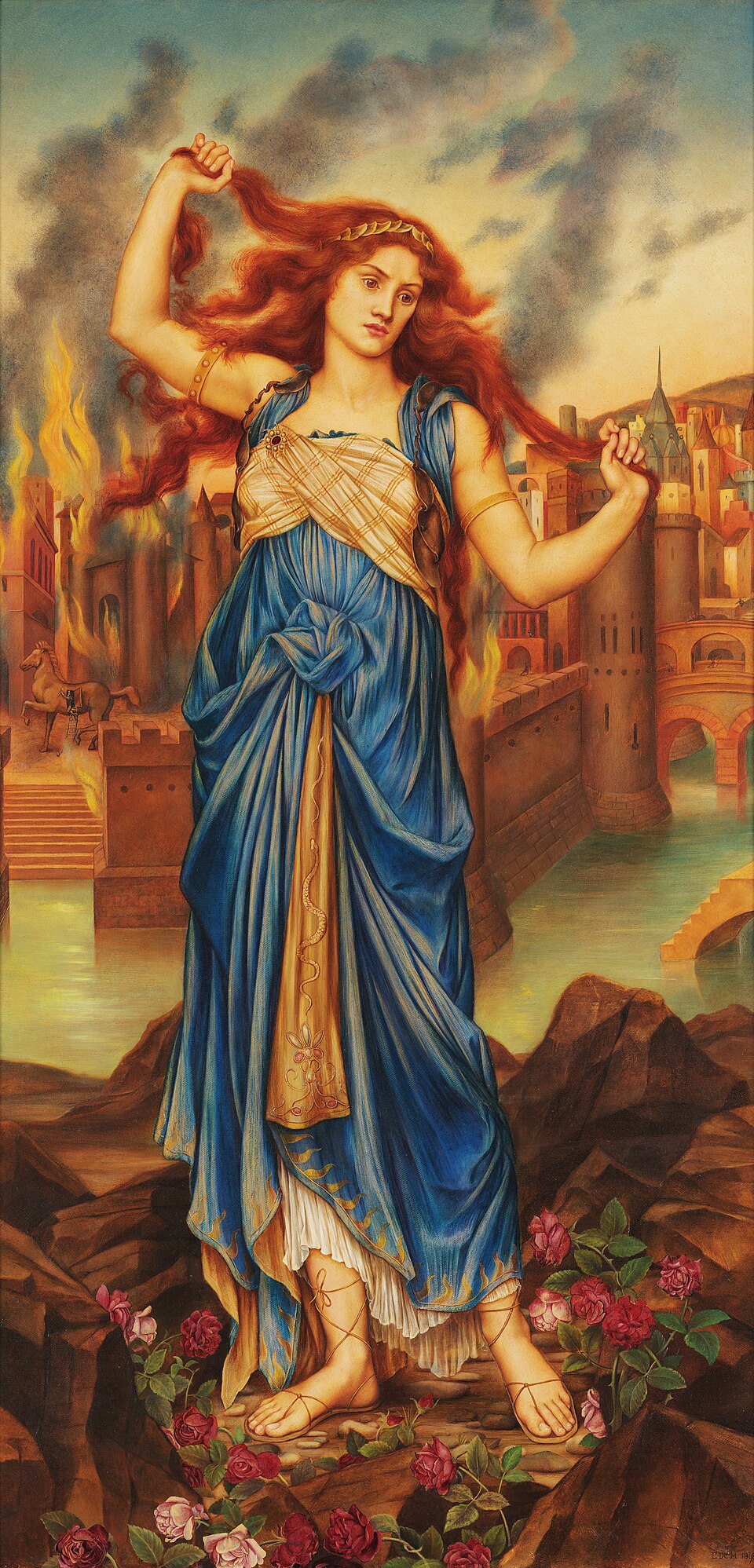
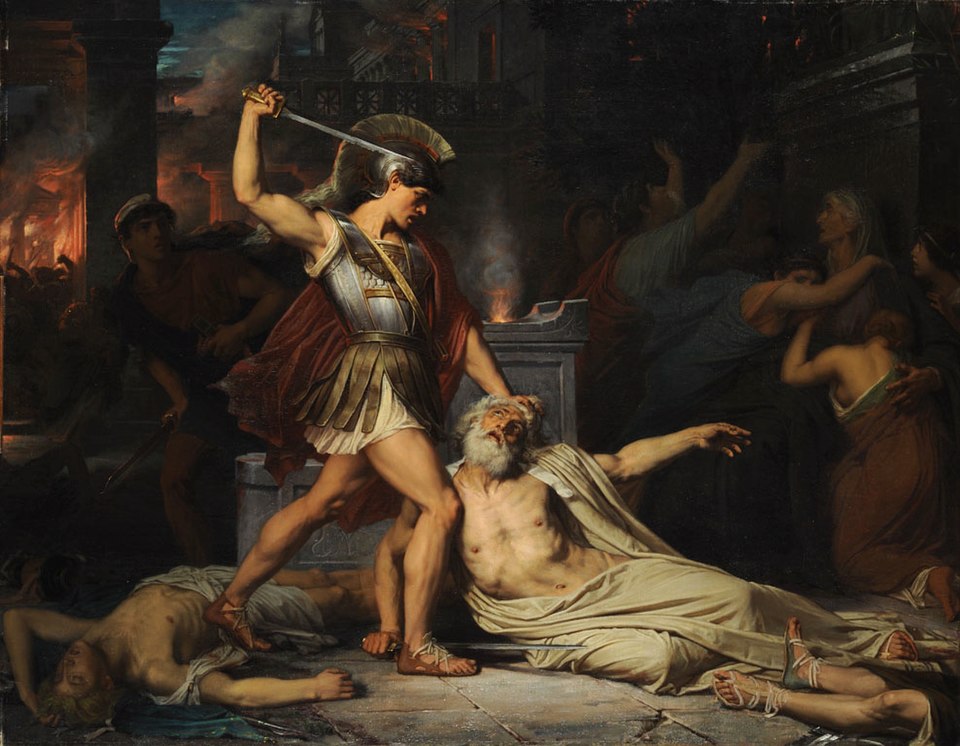
Troy falls in a single night, and it is not a battle — it is a massacre in the dark. The Greeks pour through the opened gates into a sleeping city. Old King Priam is cut down at his own altar by Neoptolemus, Achilles' teenage son. Cassandra, Priam's daughter, who was cursed to prophesy the truth and never be believed, is dragged from Athena's temple.
Hector's small son is thrown from the walls. The women of the royal house — Hecuba the queen, Andromache, Cassandra — are divided among the victors as slaves. Helen, the cause of it all, is taken back by Menelaus, who raises his sword to kill her and drops it at the sight of her face.
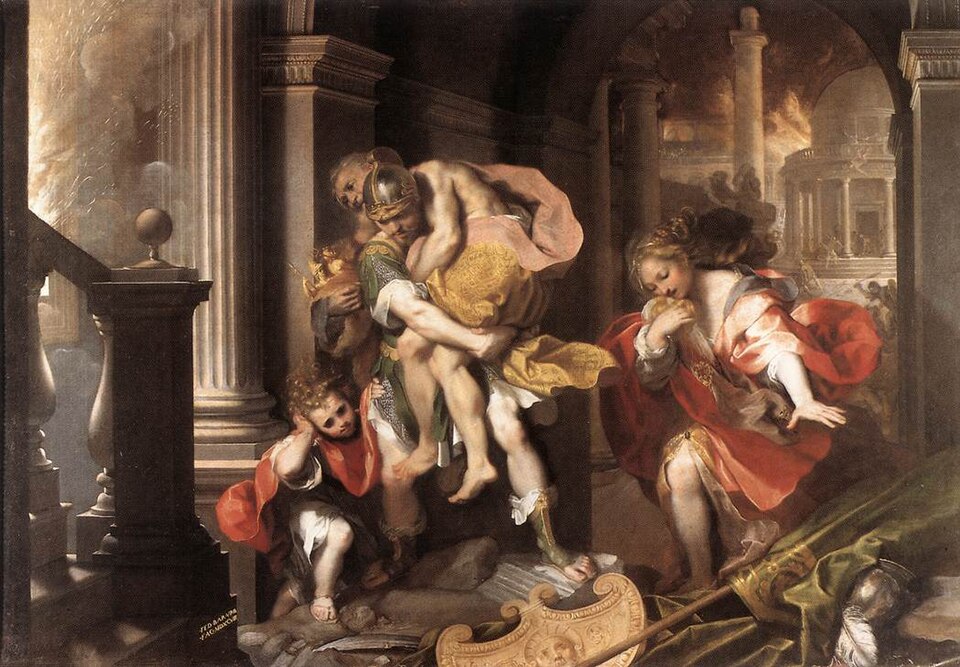
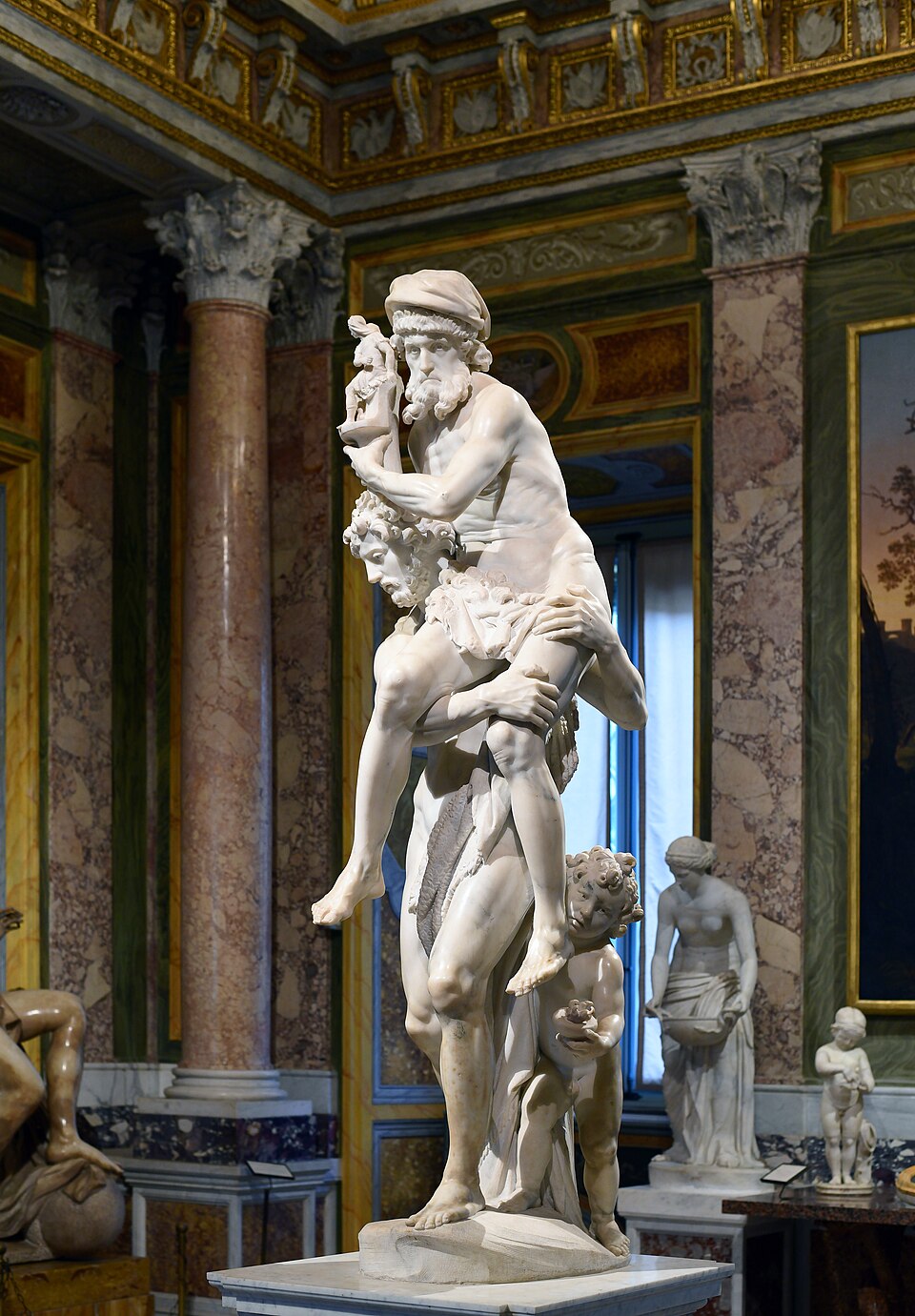
A handful escape. Aeneas, a Trojan prince, carries his old father on his back out of the burning city, his young son holding his hand — the remnant that Roman legend says will one day found Rome. The Greeks sail home to their own disasters, and the ten-year war ends the way the gods planned it at a wedding: in fire.
Solomon Joseph Solomon (1860–1927) was a British academic painter and Royal Academician known for large mythological scenes and society portraits. In the First World War he put his eye for illusion to unexpected use as a pioneer of military camouflage.