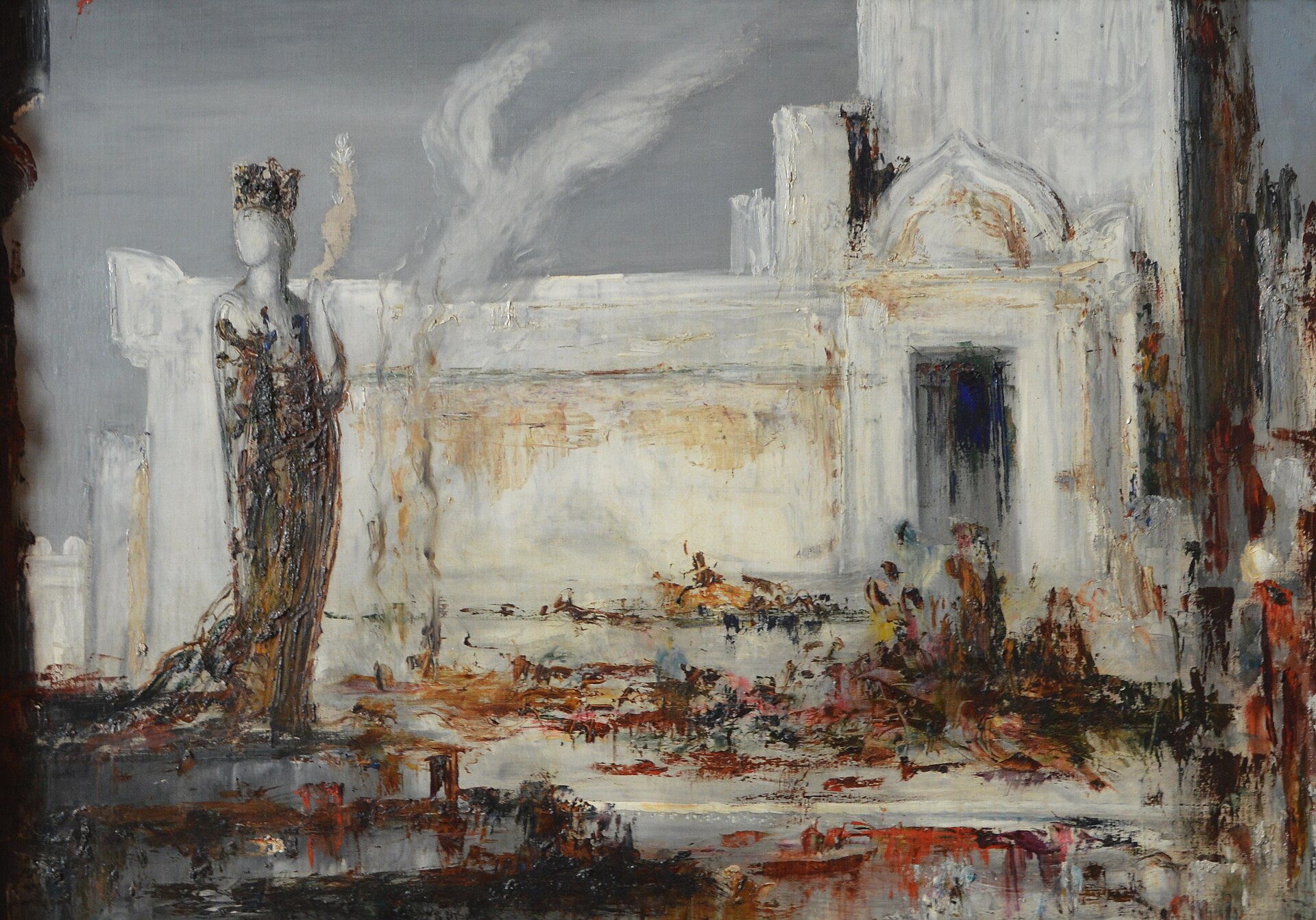
Helen at the Scaean Gate

A small, pale figure of Helen stands above a battlefield at the gate of Troy, impassive, while the ground below her smolders with the bodies of the dead. The scene is barely drawn in places — washes of ember-colored paint out of which the figure rises like an apparition.
Moreau painted Helen repeatedly in his later years, always as something between a woman and an omen. Here she is not a participant in the war but its silent cause, standing over what her beauty has cost. The unfinished, visionary surface is typical of the private works he kept in his studio.
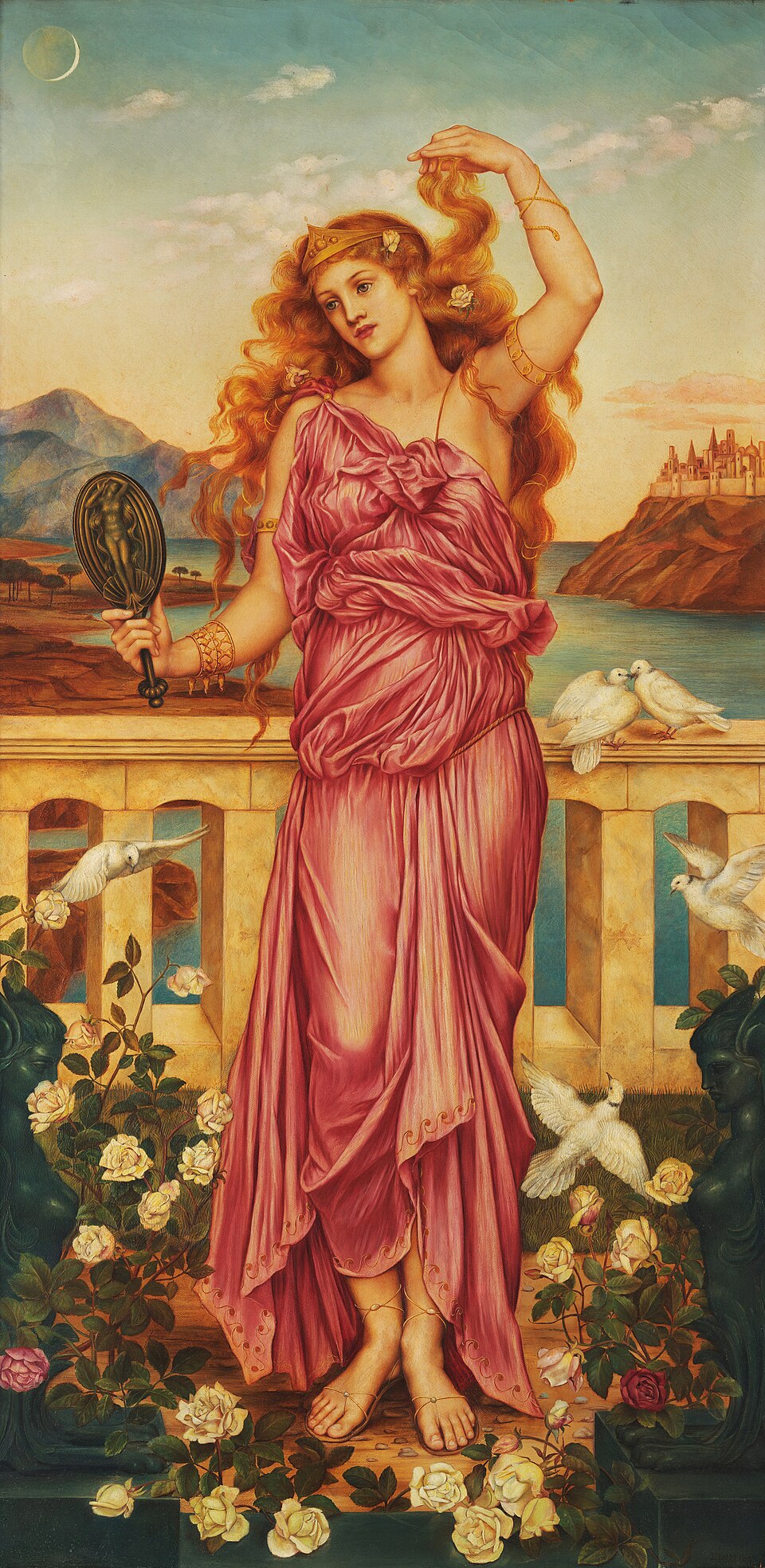
Helen is the most beautiful woman alive, a daughter of Zeus himself. Her marriage was a diplomatic problem: every king in Greece wanted her. Before her husband was chosen, all her suitors swore an oath — whoever won her, the rest would defend the marriage. She married Menelaus, king of Sparta.
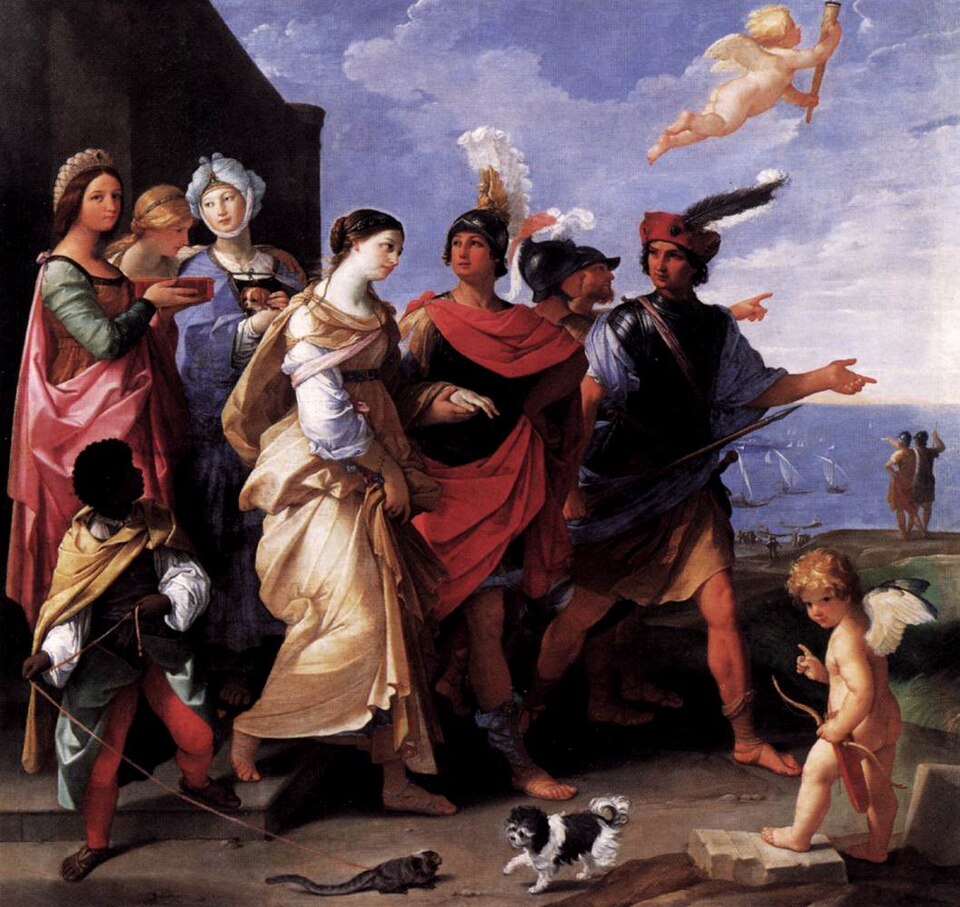
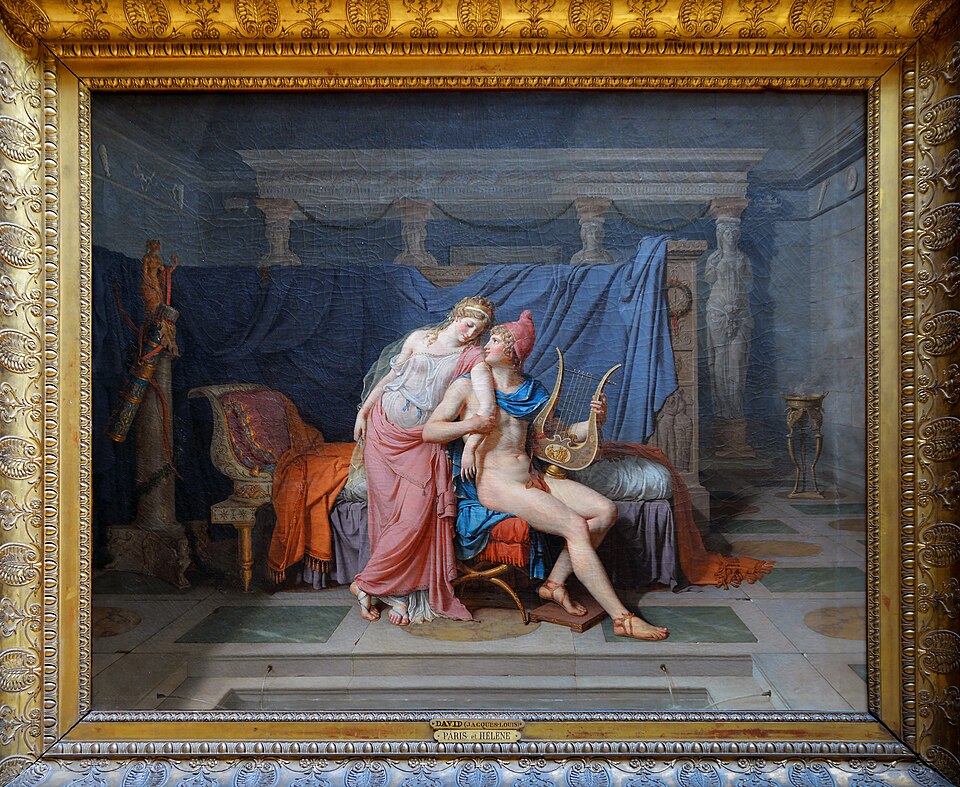
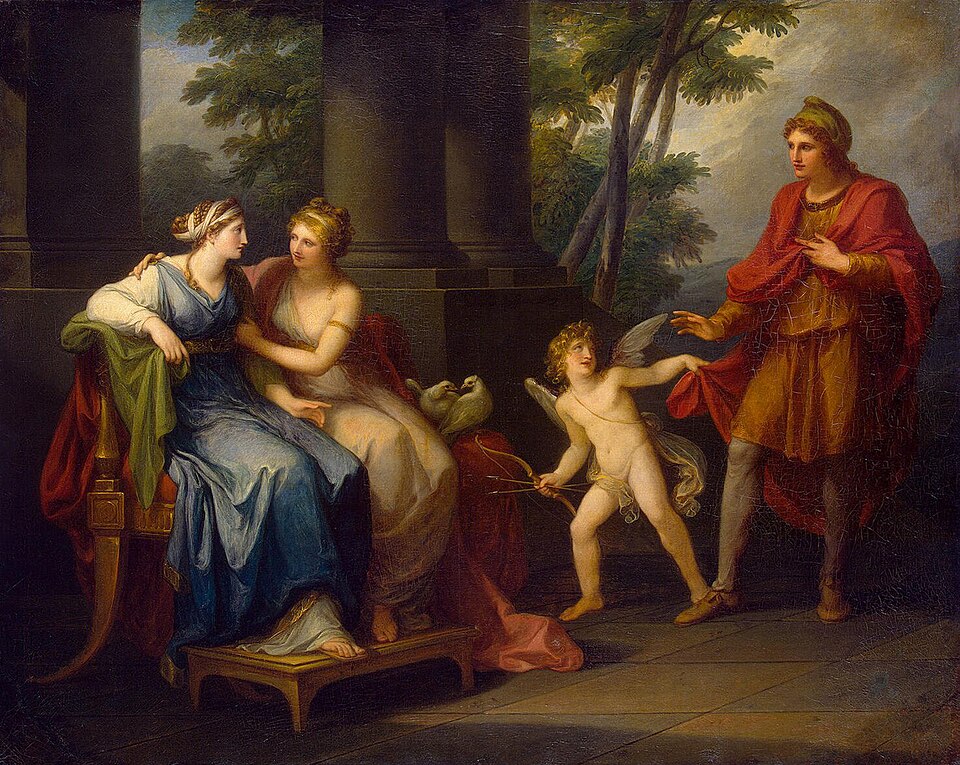
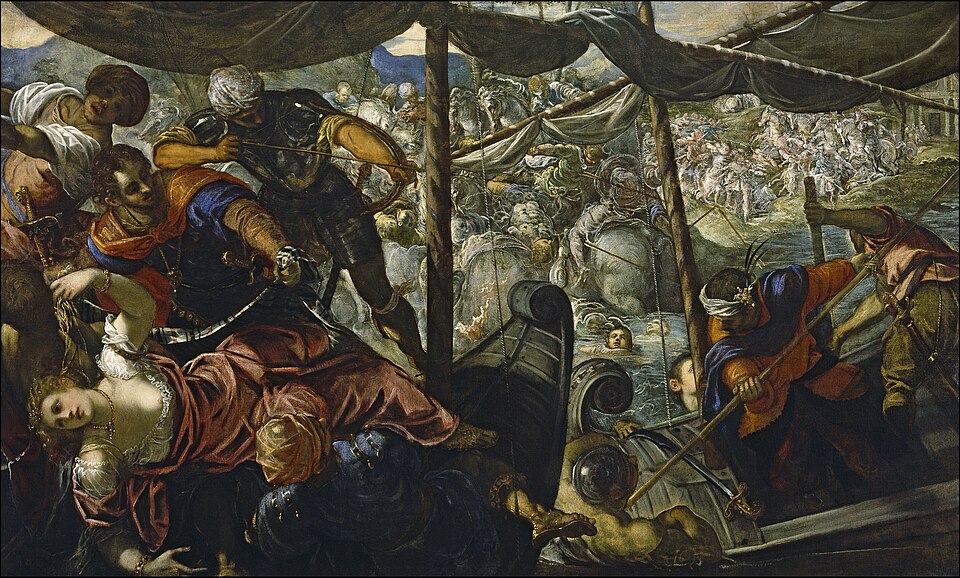
Paris arrives in Sparta as a guest. When Menelaus leaves town, Paris sails home with Helen — with Aphrodite's help. Whether Helen went willingly or was taken by force is a question the Greeks themselves argued about, and painters have taken both sides ever since.
The oath now comes due. Menelaus's brother Agamemnon, the most powerful king in Greece, summons every ruler bound by it. A thousand ships gather to bring Helen back and burn Troy to the ground.
Gustave Moreau (1826–1898) was the great French Symbolist painter of myth and dream, and an influential teacher whose students included Matisse and Rouault. He left his house and thousands of works to France as a museum.