The Abduction of Helen

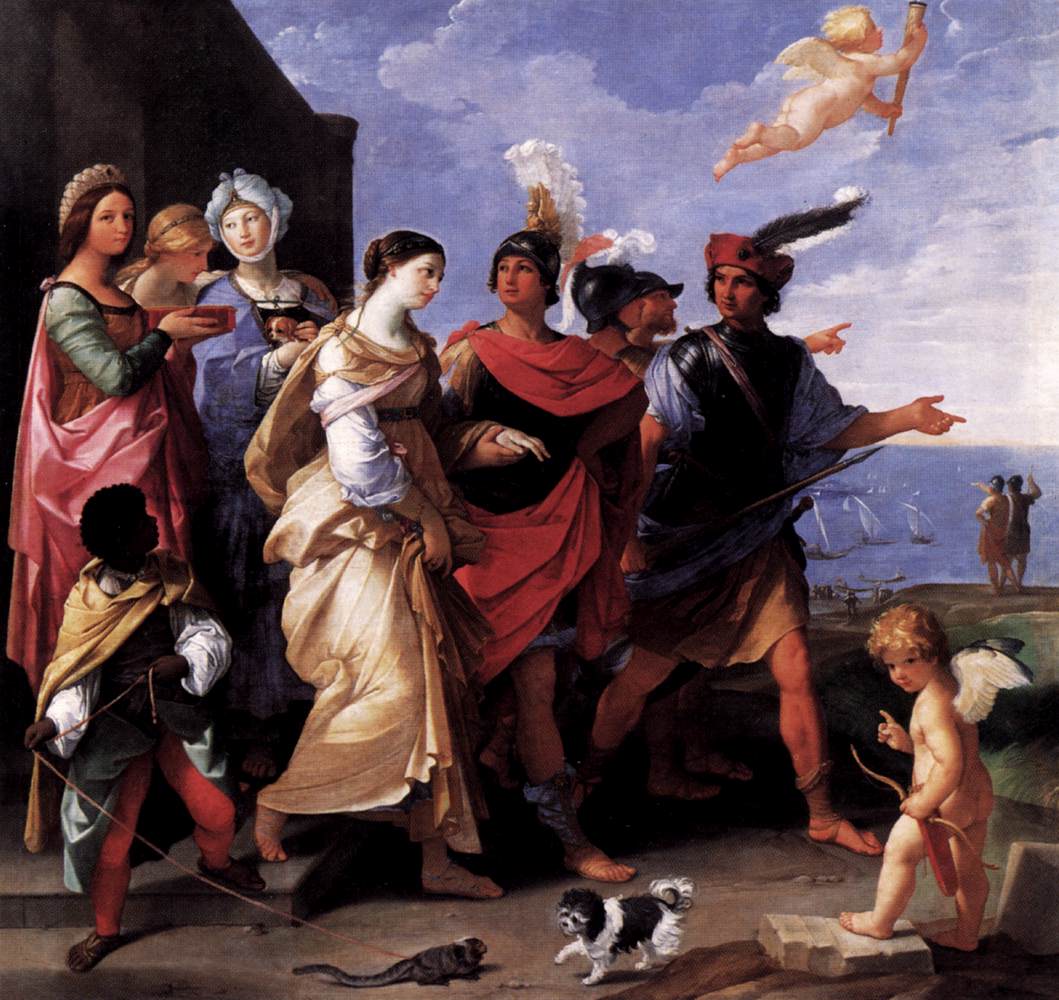
There is no violence anywhere in this abduction. Paris leads Helen by the hand toward the waiting ships, and she walks with him calmly, dressed in silk, attended by servants and a cupid. The procession moves like a wedding — which, in a way, is how Paris wants it seen.
Reni's choice to paint elegance instead of struggle follows one ancient tradition in which Helen leaves willingly. The painting was commissioned for the King of Spain but never delivered, and became one of the most admired pictures in seventeenth-century Europe, copied and praised across the continent.
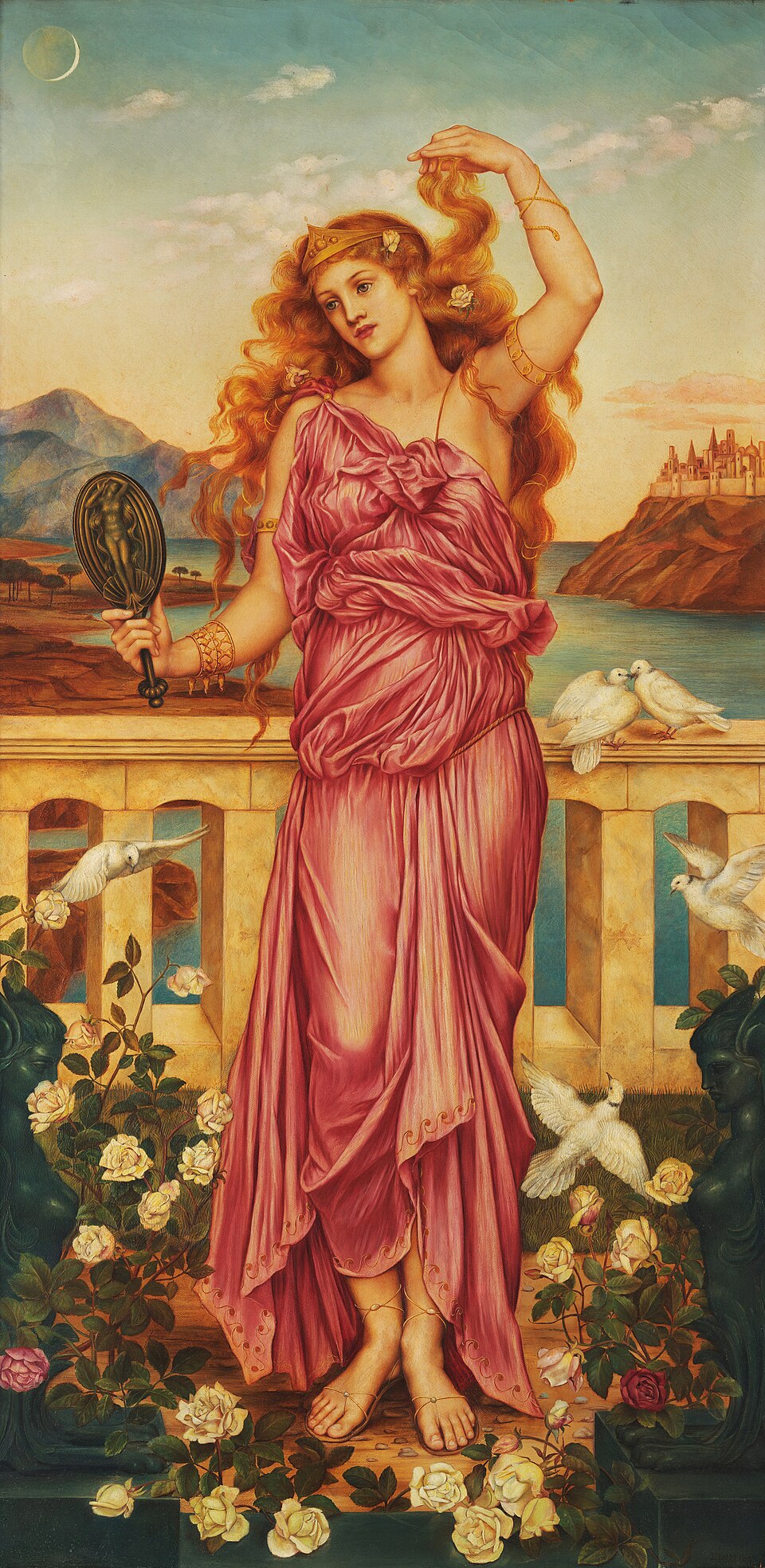
Helen is the most beautiful woman alive, a daughter of Zeus himself. Her marriage was a diplomatic problem: every king in Greece wanted her. Before her husband was chosen, all her suitors swore an oath — whoever won her, the rest would defend the marriage. She married Menelaus, king of Sparta.
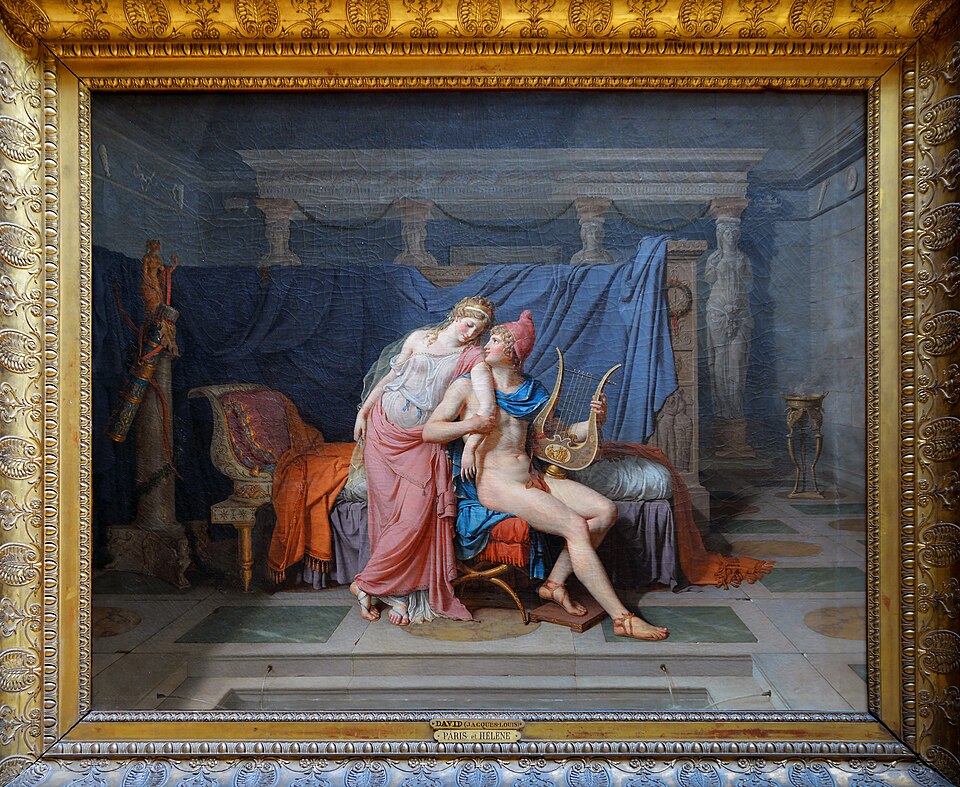
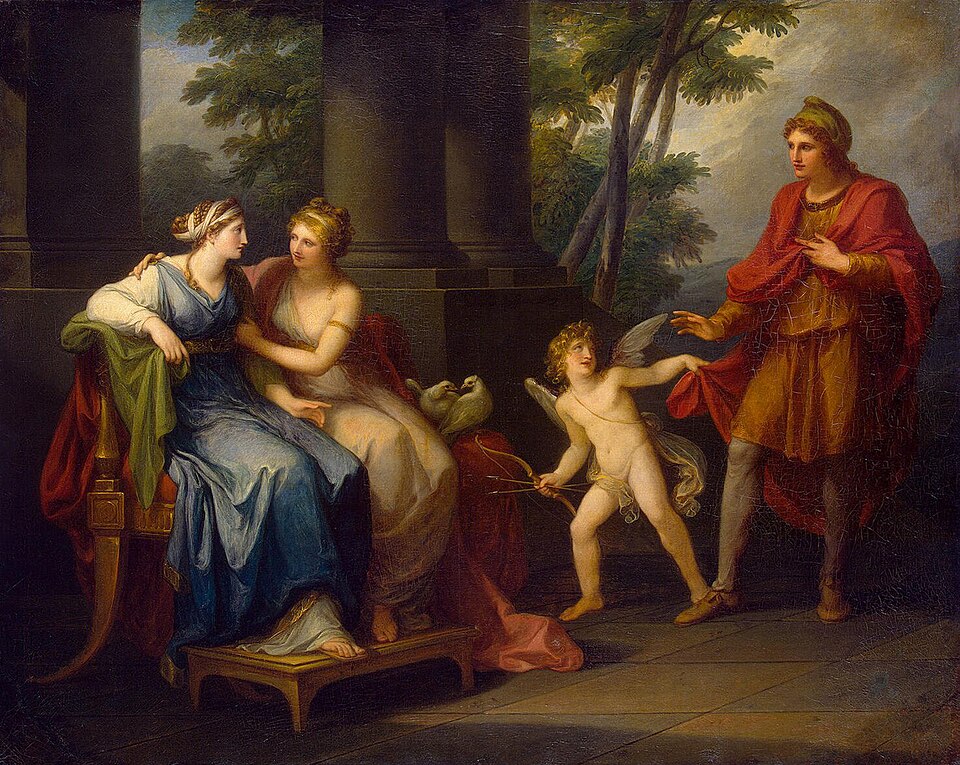
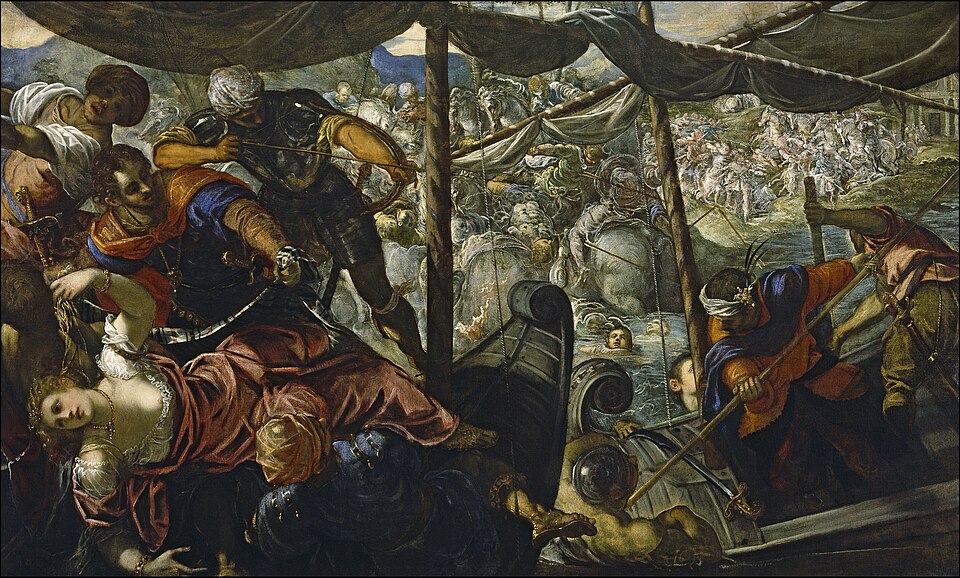
Paris arrives in Sparta as a guest. When Menelaus leaves town, Paris sails home with Helen — with Aphrodite's help. Whether Helen went willingly or was taken by force is a question the Greeks themselves argued about, and painters have taken both sides ever since.
The oath now comes due. Menelaus's brother Agamemnon, the most powerful king in Greece, summons every ruler bound by it. A thousand ships gather to bring Helen back and burn Troy to the ground.
Guido Reni (1575–1642) was the leading painter of Bologna and one of the most celebrated artists of his century, famous for grace, clear color and idealized beauty. For generations his name stood for perfect elegance in painting.