The Rape of Helen

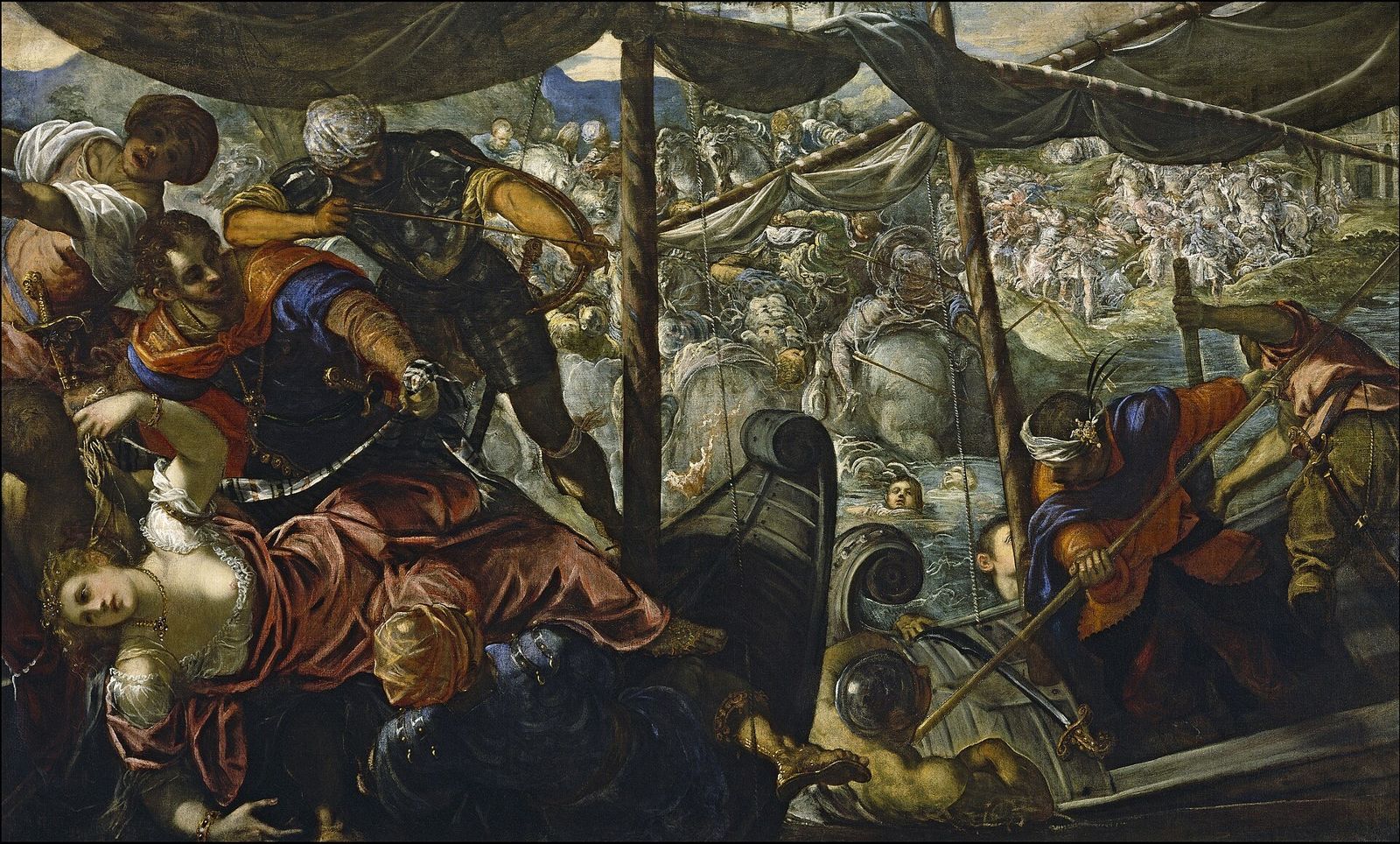
Tintoretto turns the same event into a battle. Helen is seized and hauled into a galley amid a chaotic skirmish — soldiers in armor, oars, smoke and struggling bodies fill the canvas edge to edge. She is the only still point in the storm, already being carried away.
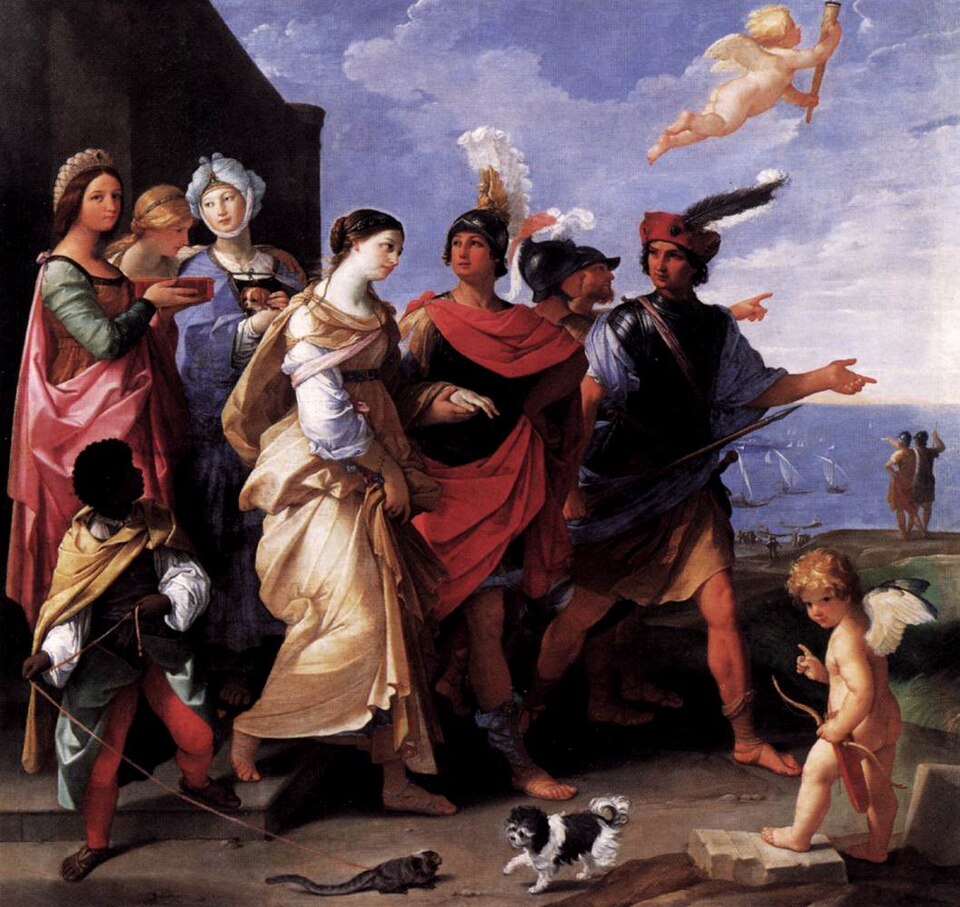
Everything here is speed: the slashing diagonal composition, the flickering light, the brushwork laid on fast and loose. Where Reni paints Helen's departure as a ceremony, Tintoretto paints it as a crime committed in the middle of a fight — the war beginning before the ships even sail.
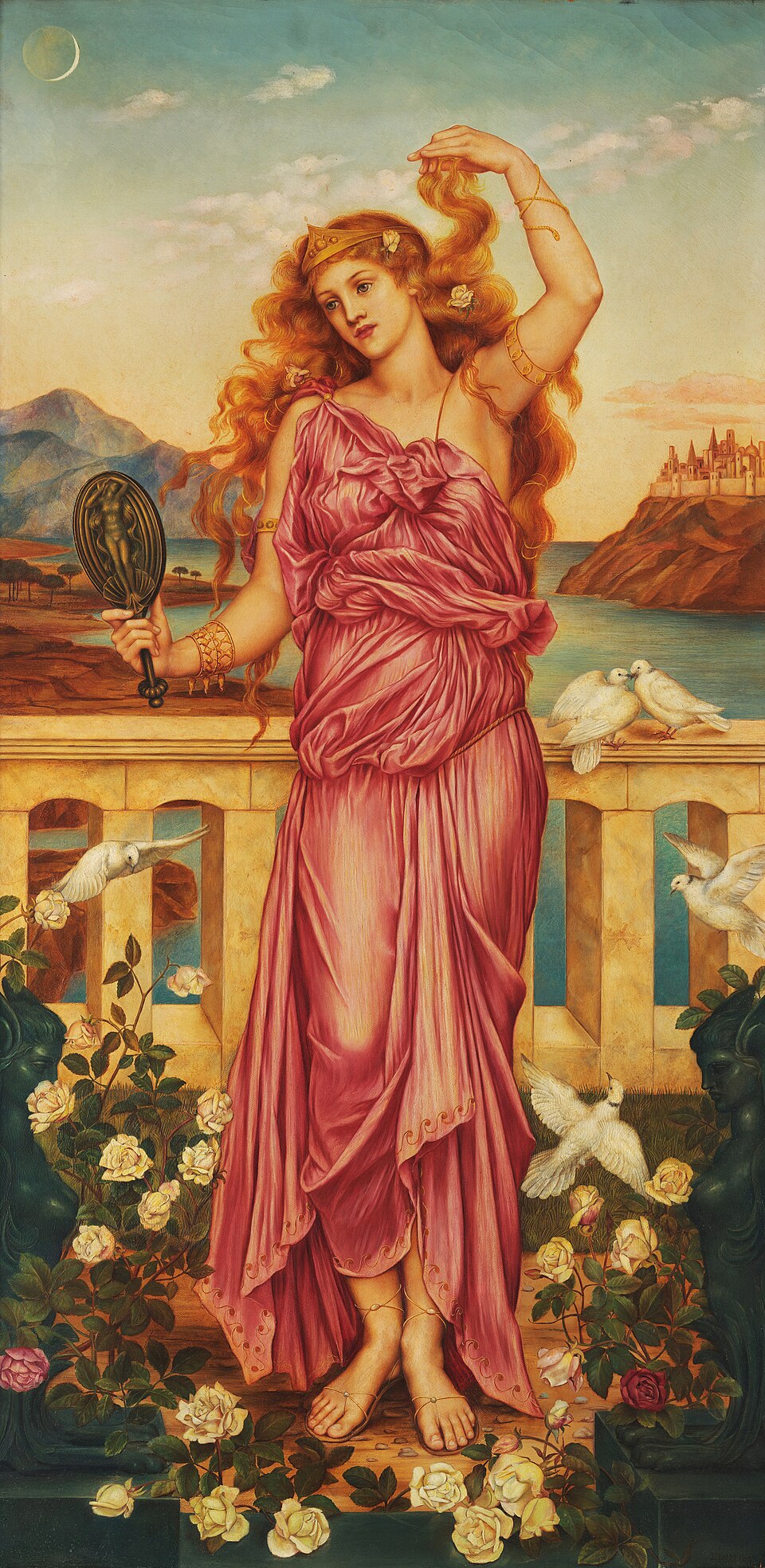
Helen is the most beautiful woman alive, a daughter of Zeus himself. Her marriage was a diplomatic problem: every king in Greece wanted her. Before her husband was chosen, all her suitors swore an oath — whoever won her, the rest would defend the marriage. She married Menelaus, king of Sparta.
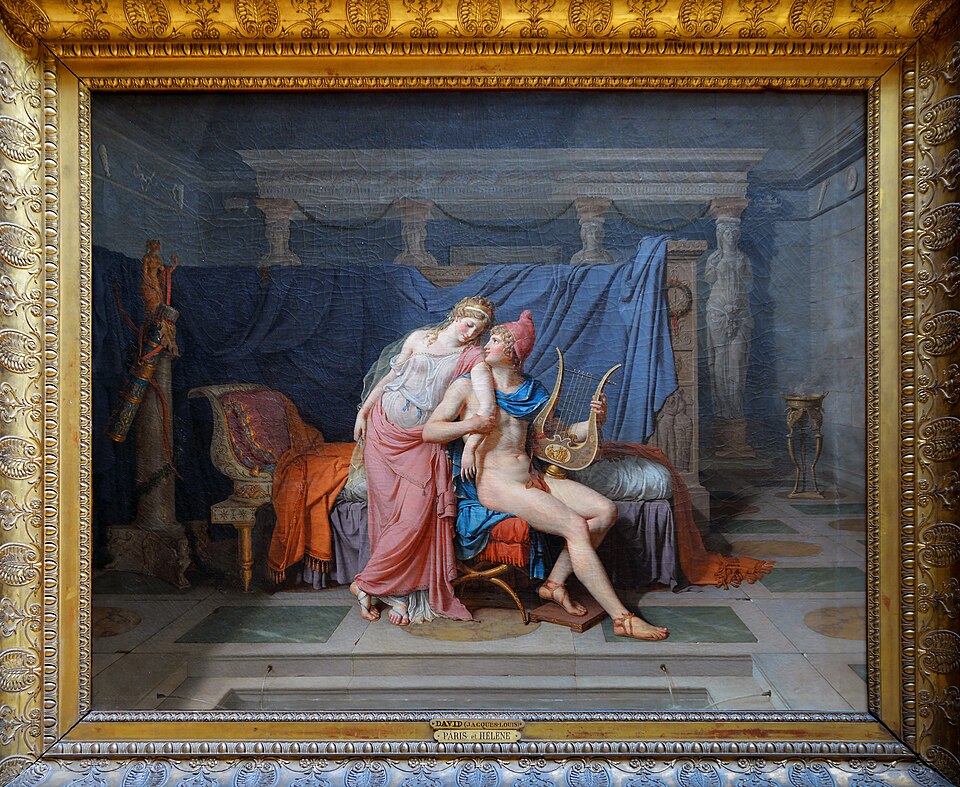
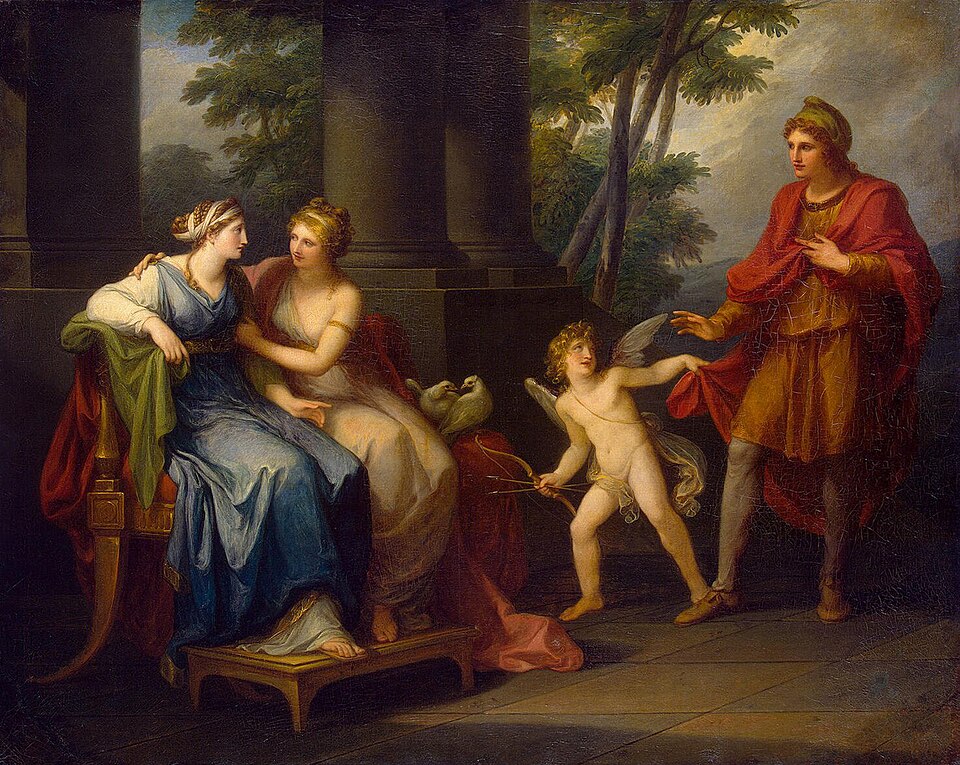
Paris arrives in Sparta as a guest. When Menelaus leaves town, Paris sails home with Helen — with Aphrodite's help. Whether Helen went willingly or was taken by force is a question the Greeks themselves argued about, and painters have taken both sides ever since.
The oath now comes due. Menelaus's brother Agamemnon, the most powerful king in Greece, summons every ruler bound by it. A thousand ships gather to bring Helen back and burn Troy to the ground.
Jacopo Tintoretto (1518–1594) was one of the great painters of Venice, nicknamed "Il Furioso" for the speed and drama of his work. He filled the city's churches and palaces with huge, restless canvases.