Helen of Troy

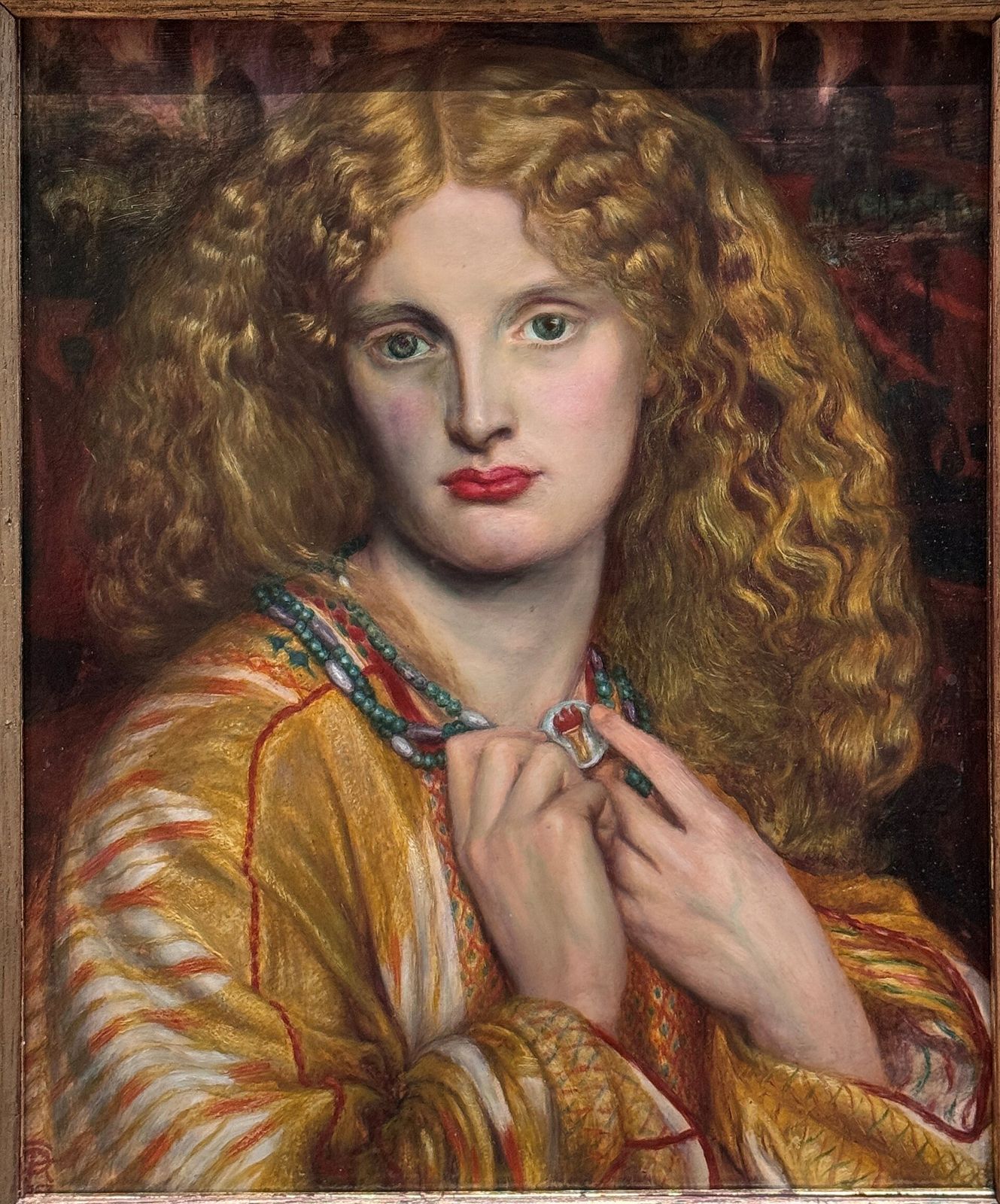
Helen alone, at half length, with rippling golden hair and heavy-lidded eyes, fingering the pendant of her necklace. She meets no one's gaze. The face is beautiful, self-contained and unreadable — the face a war was fought over, giving nothing away.
On the back of the panel Rossetti wrote a Greek phrase from Aeschylus punning on her name: destroyer of ships, destroyer of men, destroyer of cities. That inscription is the real subject. The painting shows no war at all, only the person — and lets you feel how little of the catastrophe shows on its cause.
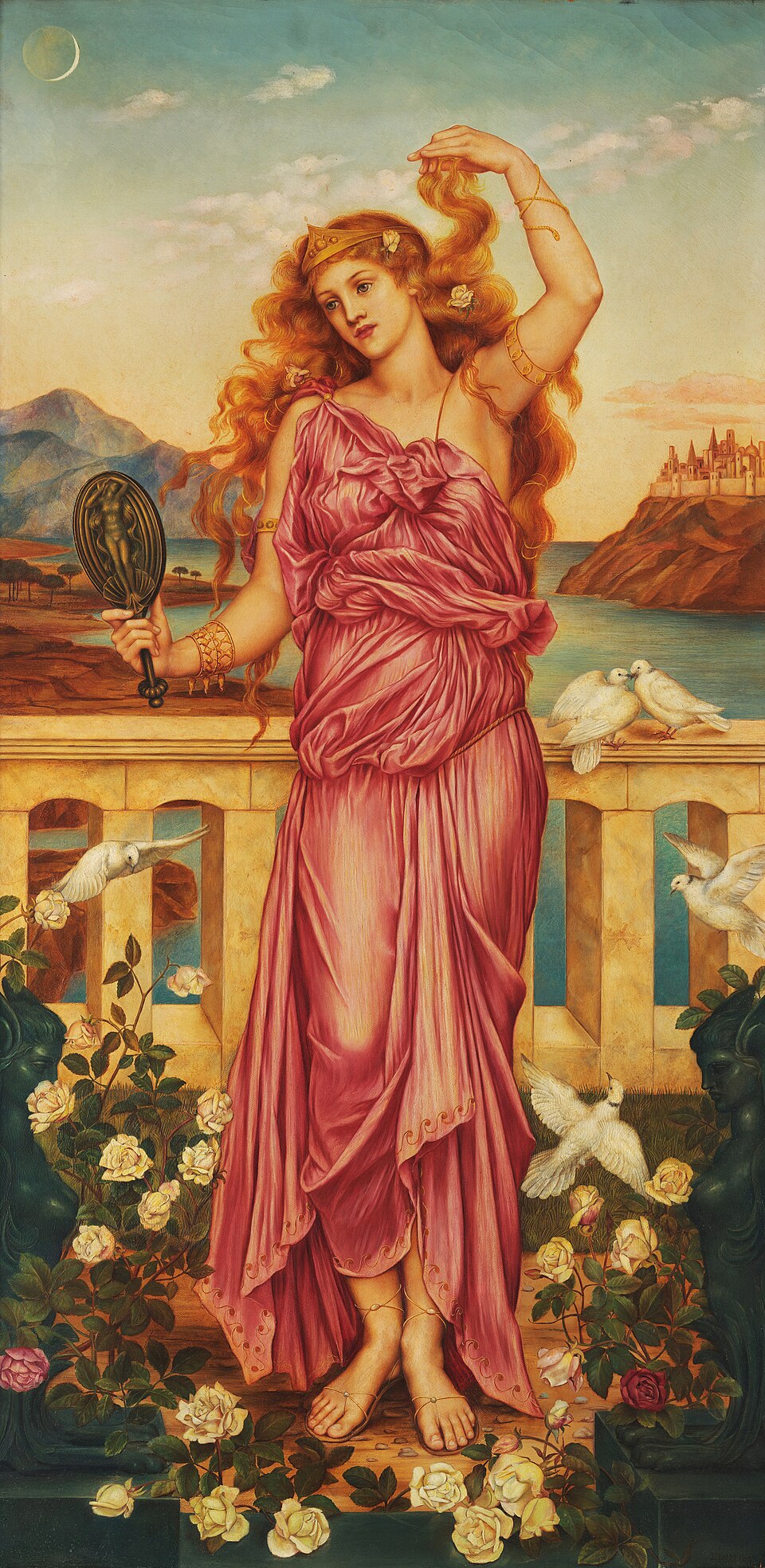
Helen is the most beautiful woman alive, a daughter of Zeus himself. Her marriage was a diplomatic problem: every king in Greece wanted her. Before her husband was chosen, all her suitors swore an oath — whoever won her, the rest would defend the marriage. She married Menelaus, king of Sparta.
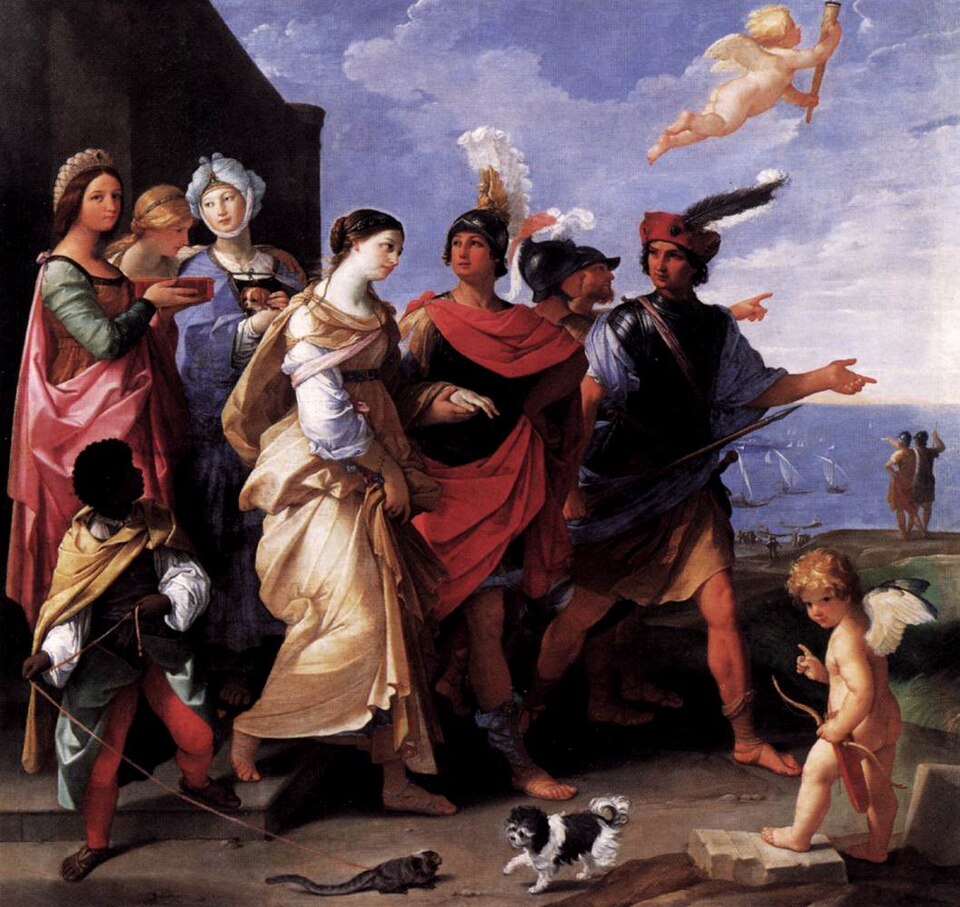
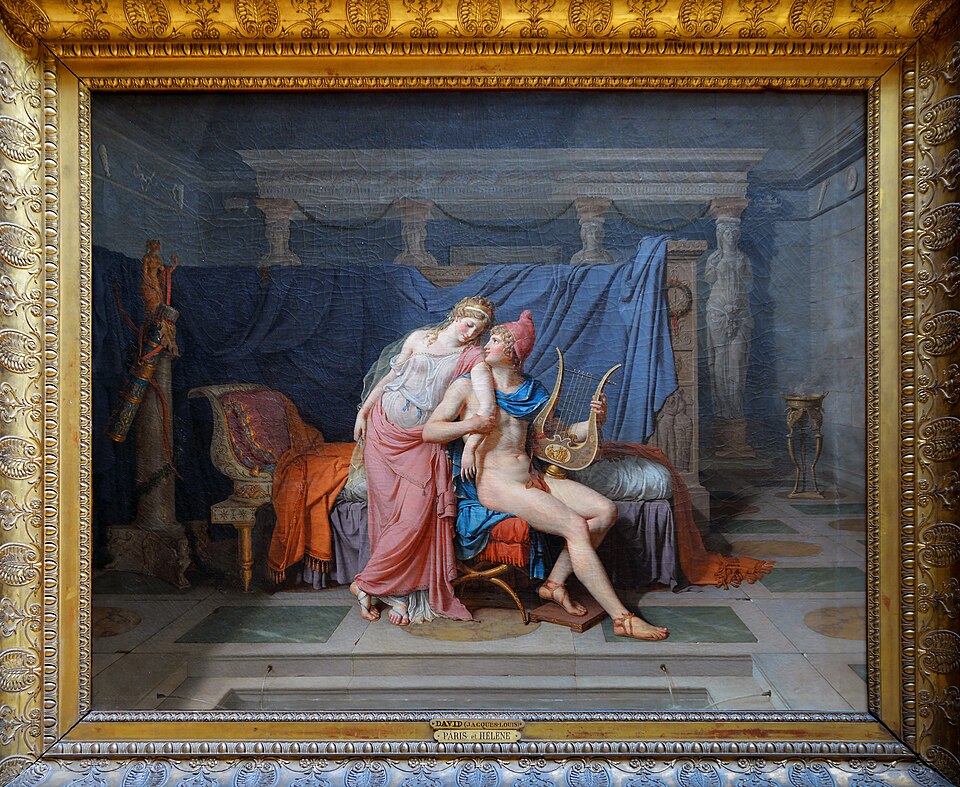
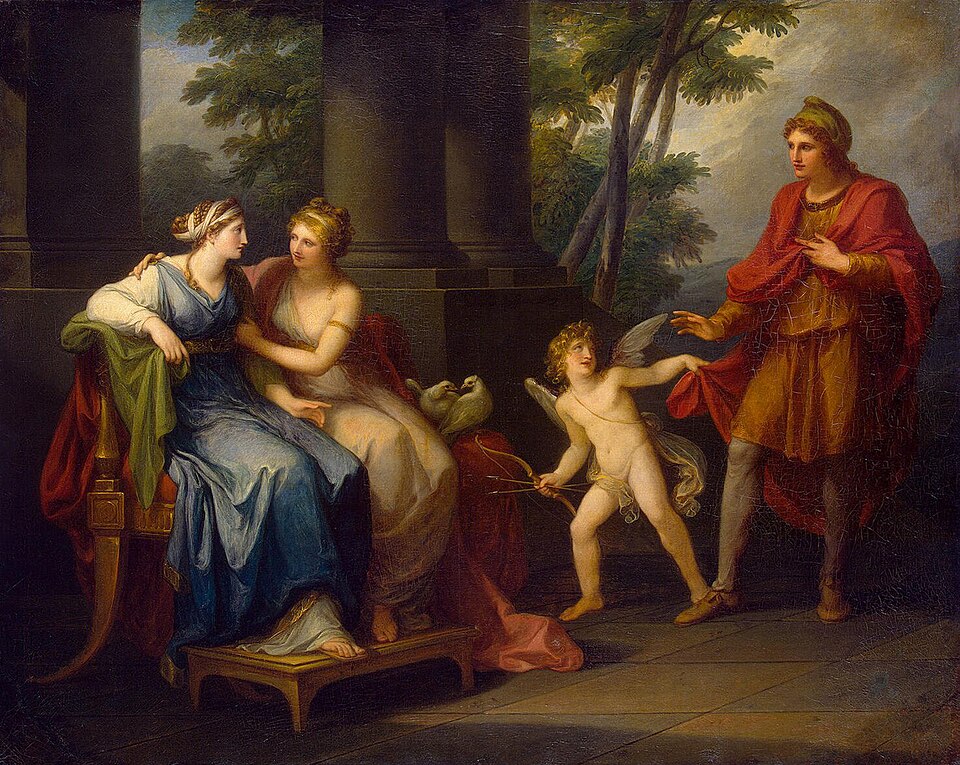
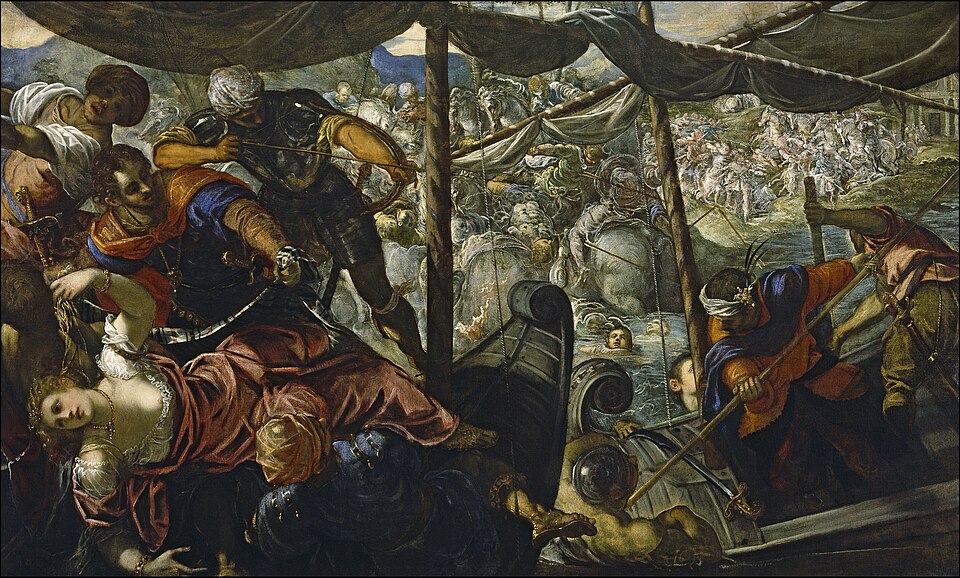
Paris arrives in Sparta as a guest. When Menelaus leaves town, Paris sails home with Helen — with Aphrodite's help. Whether Helen went willingly or was taken by force is a question the Greeks themselves argued about, and painters have taken both sides ever since.
The oath now comes due. Menelaus's brother Agamemnon, the most powerful king in Greece, summons every ruler bound by it. A thousand ships gather to bring Helen back and burn Troy to the ground.
Dante Gabriel Rossetti (1828–1882) was a painter and poet, and a founder of the Pre-Raphaelite Brotherhood. His late work centered on intense, close-up images of women that mixed beauty with obsession.