A storyline in 27 scenes · 72 works of art
The Iliad
❧
Sing, goddess, of the wrath of Achilles — the rage that sent countless souls of heroes down to Hades.
The war at Troy as artists have imagined it for twenty-six centuries — in fired clay, marble, fresco and oil. The scenes follow the order of the story: read them top to bottom and you have the whole tale. Select any artwork for a closer look.
I.
The Blind Poet
Homer himself
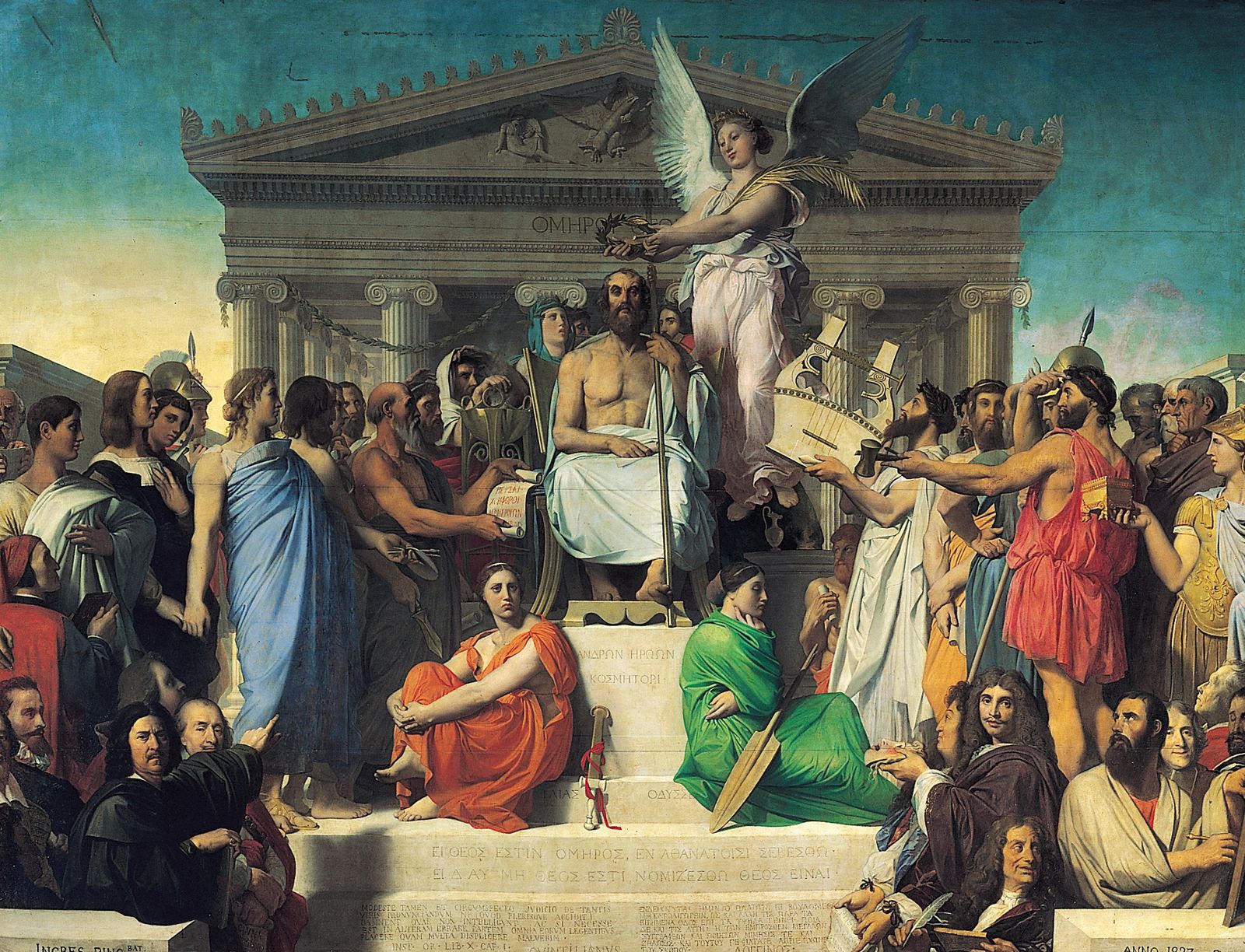
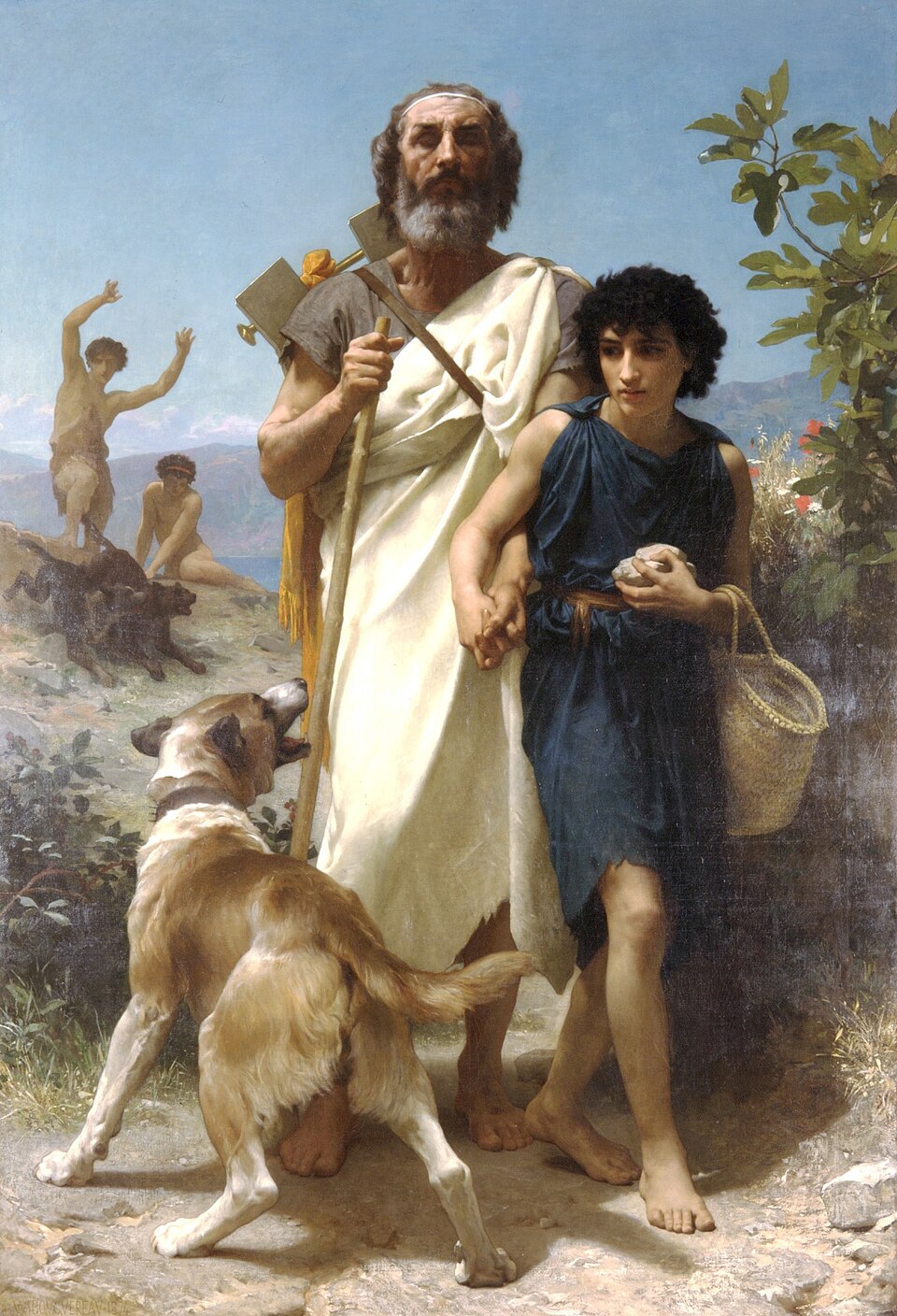
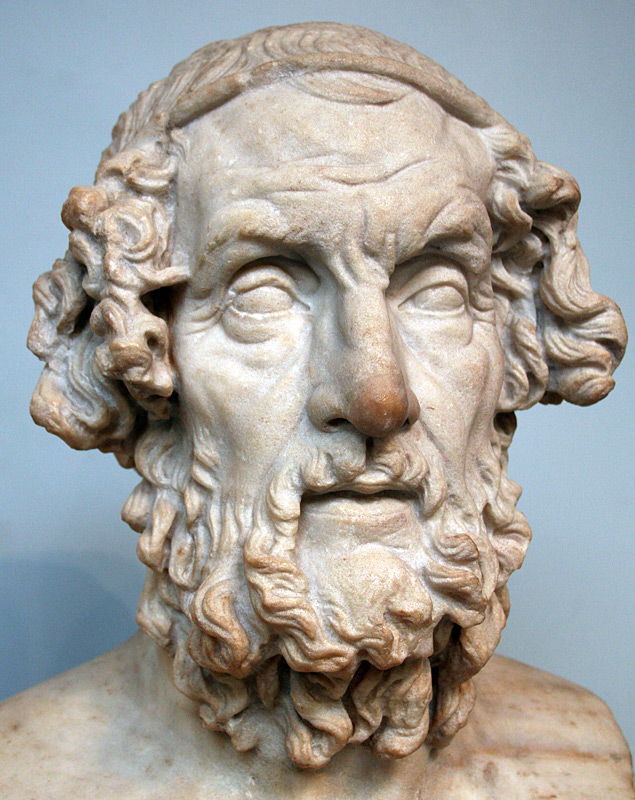
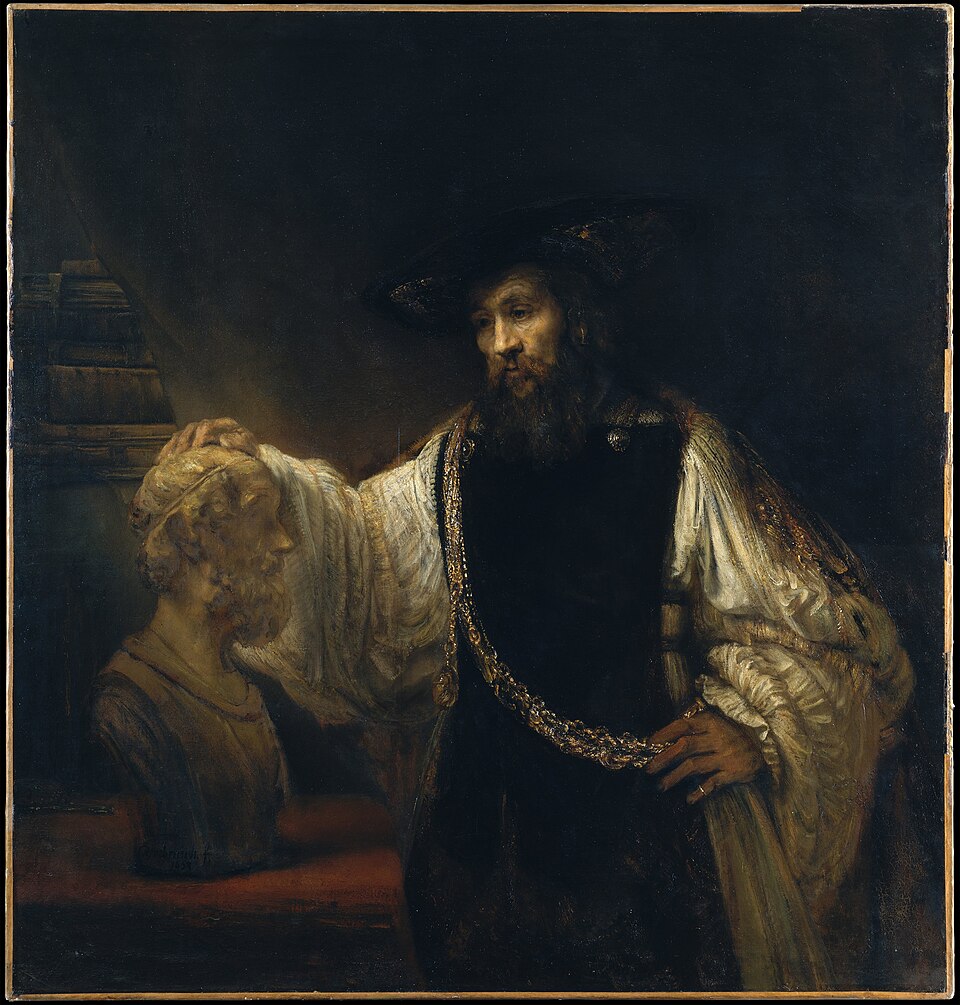
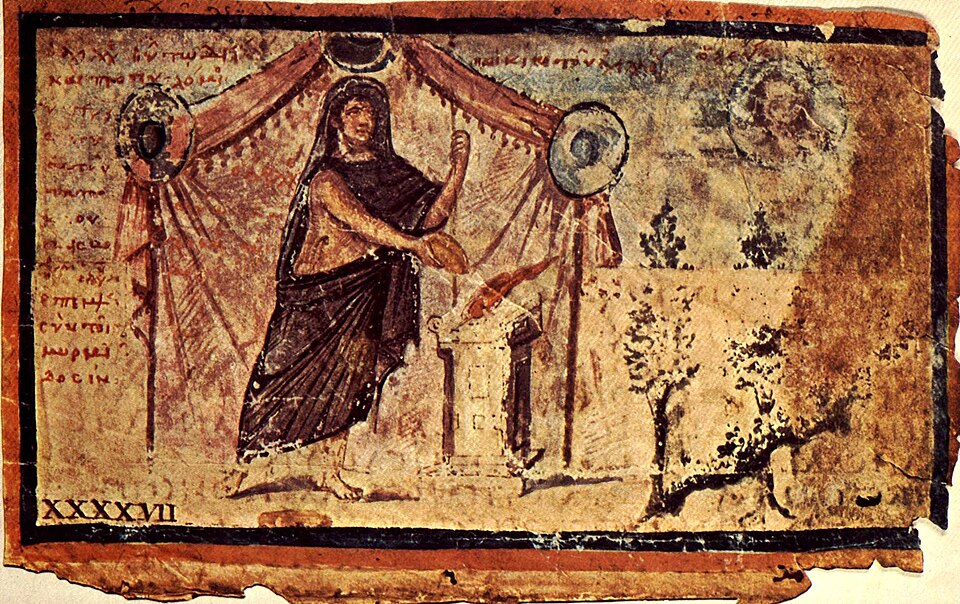
Before the stories, there is the storyteller. Homer is the name the Greeks gave to the poet of the Iliad and the Odyssey, the two long poems at the very beginning of Western literature. Nobody knows for certain who he was, when exactly he lived, or whether one person composed both poems. The best guess is that they took shape in the eighth century BC, woven together from centuries of songs that traveling singers performed from memory.
Ancient tradition insisted on one detail: Homer was blind. Every ancient portrait of him is an act of imagination — no one knew what he looked like — yet sculptors settled on a standard face: an old man with a full beard, deep-set sightless eyes, and a band around his hair. Later painters kept imagining him too, as a god among poets or as an old beggar led from town to town. This page begins with those portraits, then follows his two stories scene by scene.
Other depictions of this scene
II.
The Wedding of Peleus and Thetis
Prelude
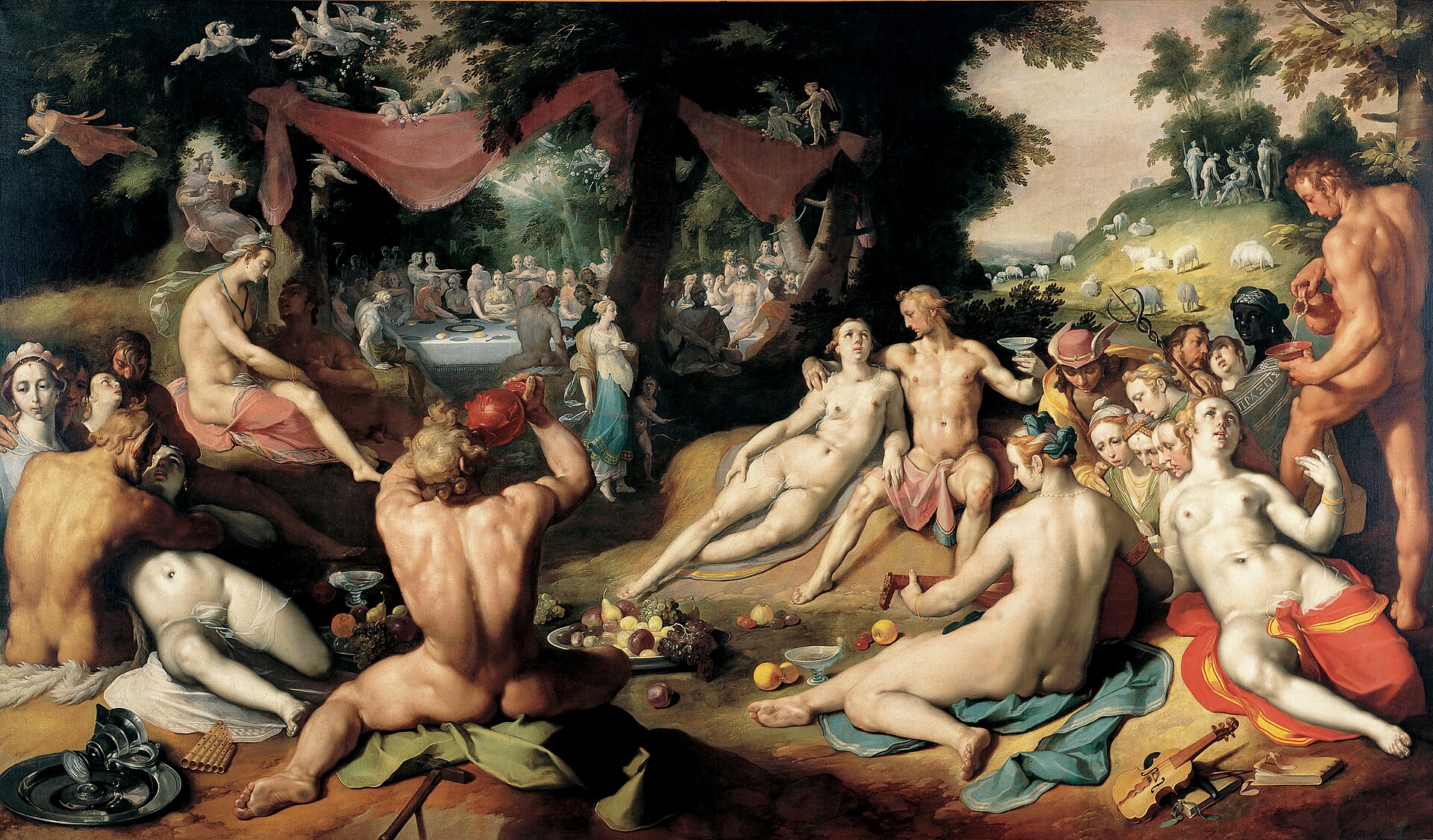
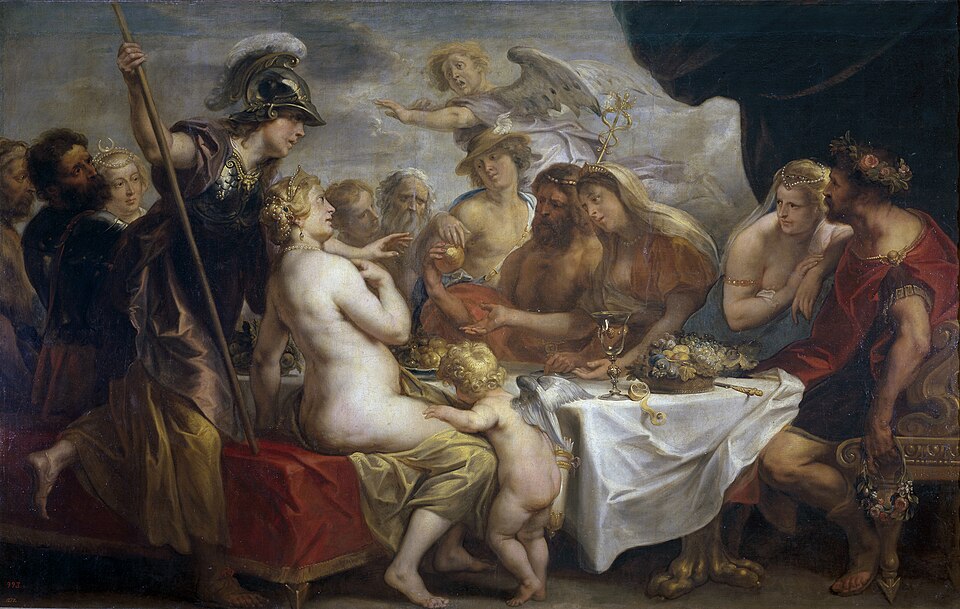
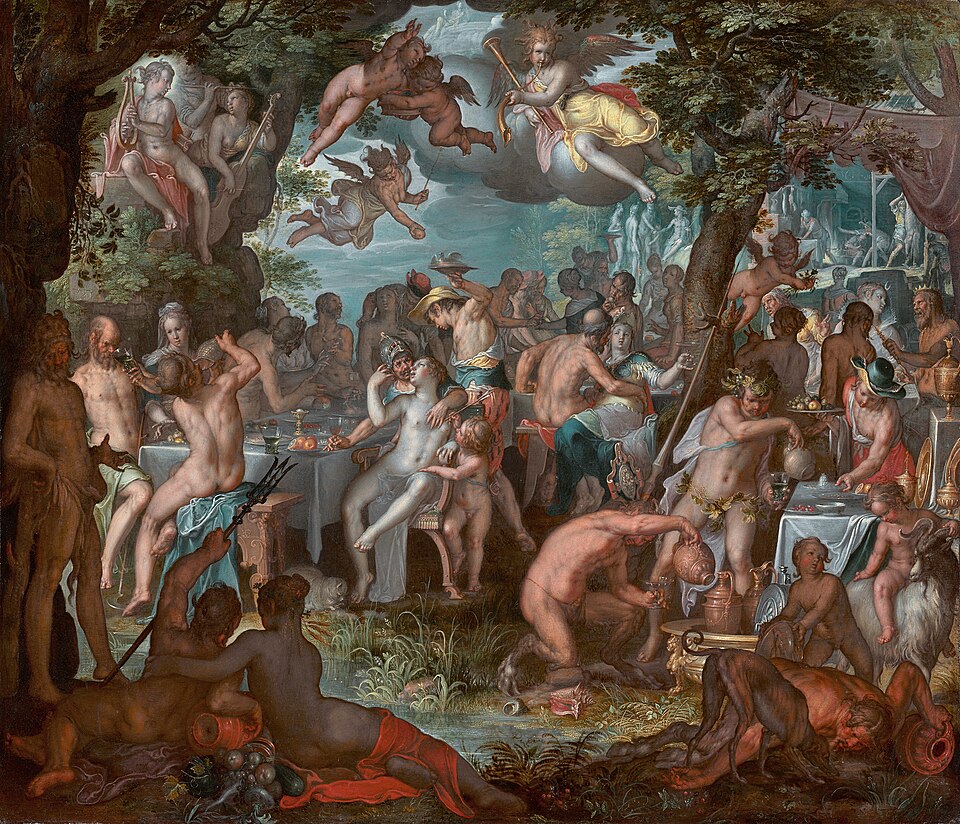
The Trojan War starts at a wedding. Peleus, a mortal king, marries Thetis, a sea goddess. All the gods are invited to the feast — except Eris, the goddess of discord. She shows up anyway and throws a golden apple into the crowd. On it is written: 'To the fairest.'
Three goddesses claim it at once: Hera, queen of the gods; Athena, goddess of wisdom and war; and Aphrodite, goddess of love. Zeus, king of the gods, refuses to judge between them — no answer could end well for him. So he hands the problem to a mortal.
One more thing about this wedding: the bride and groom will have a son. His name is Achilles, and he will become the greatest warrior who ever lived. The war that begins with this apple will also be the war that kills him.
Other depictions of this scene
III.
The Judgement of Paris
Prelude
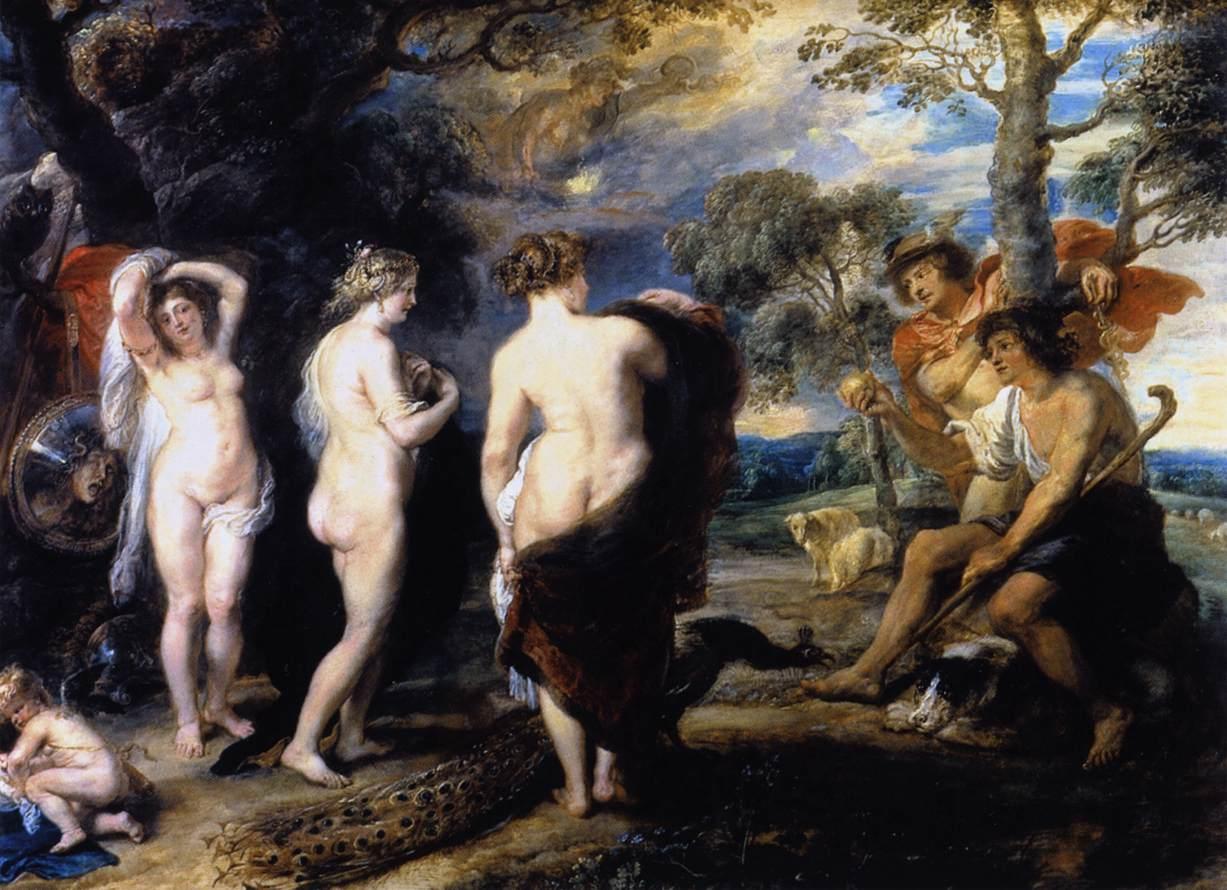
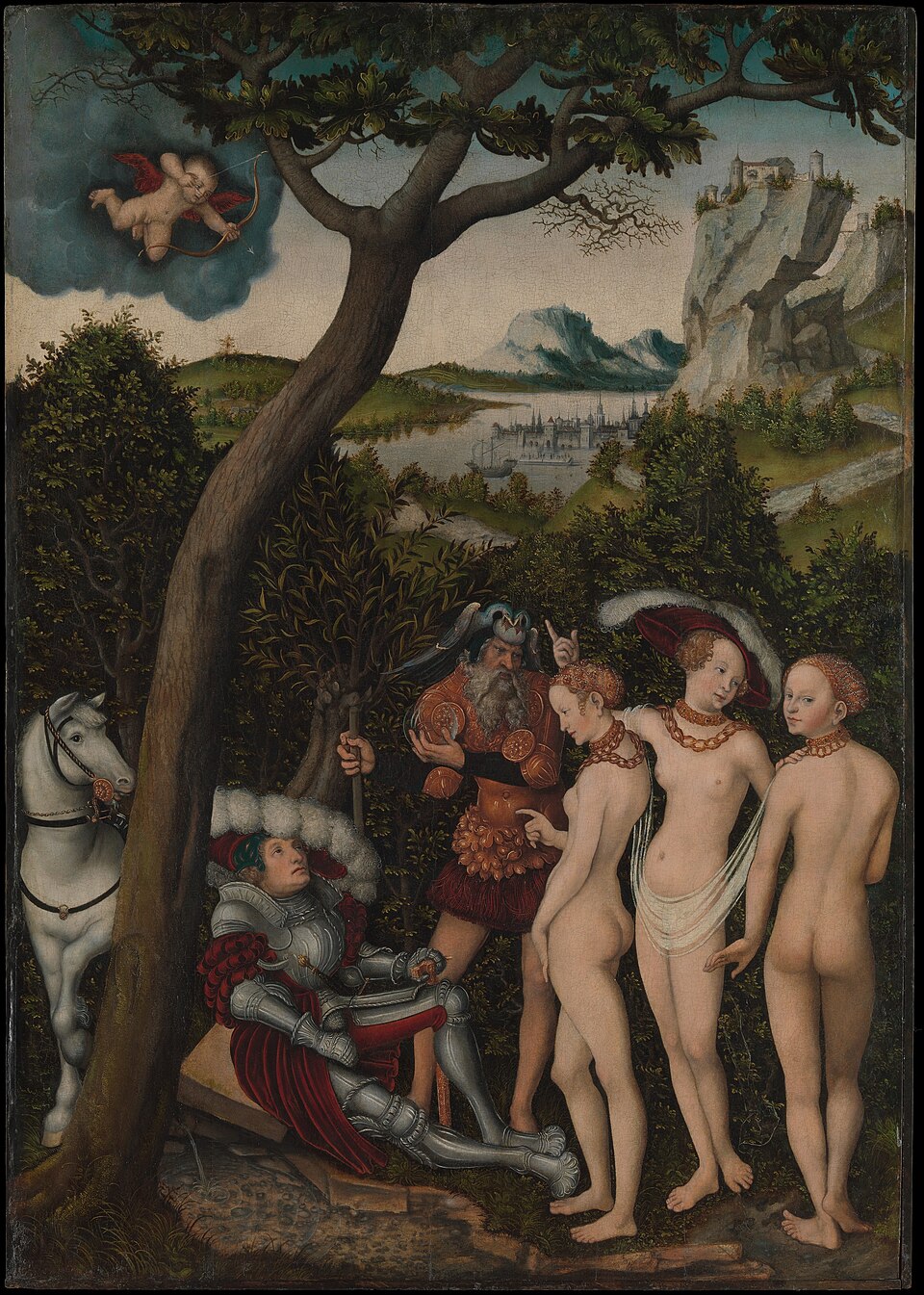
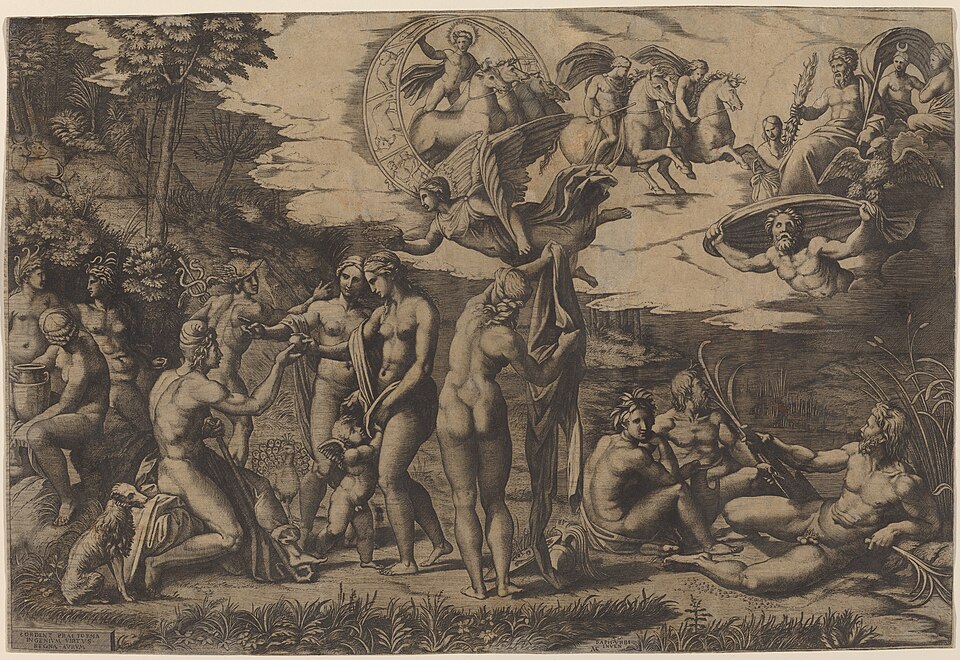
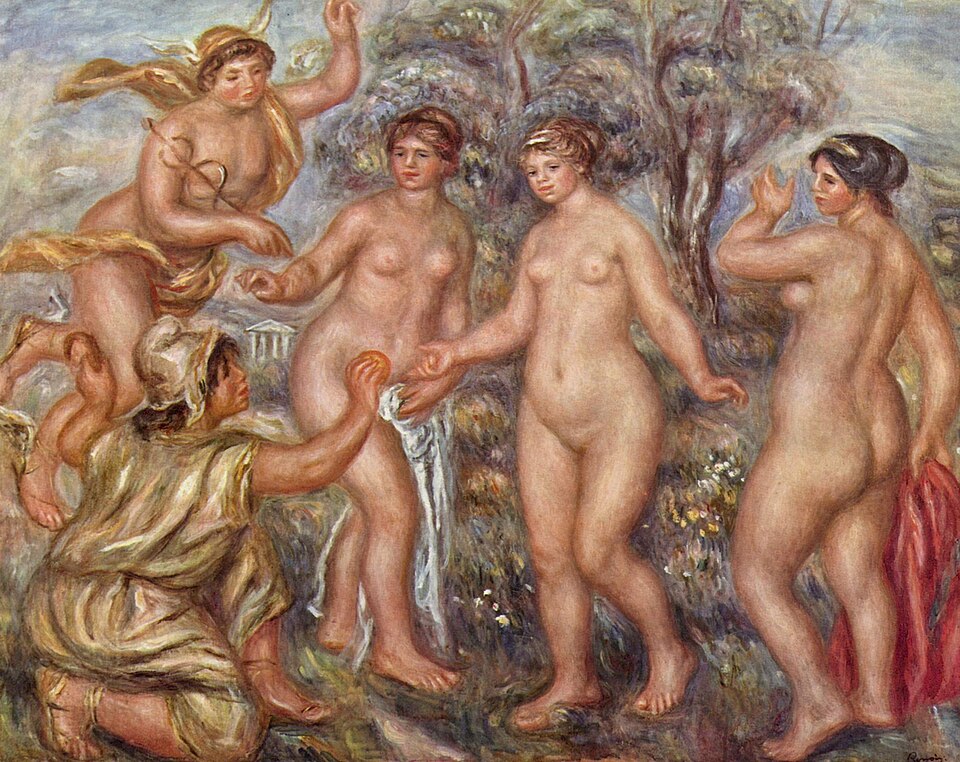
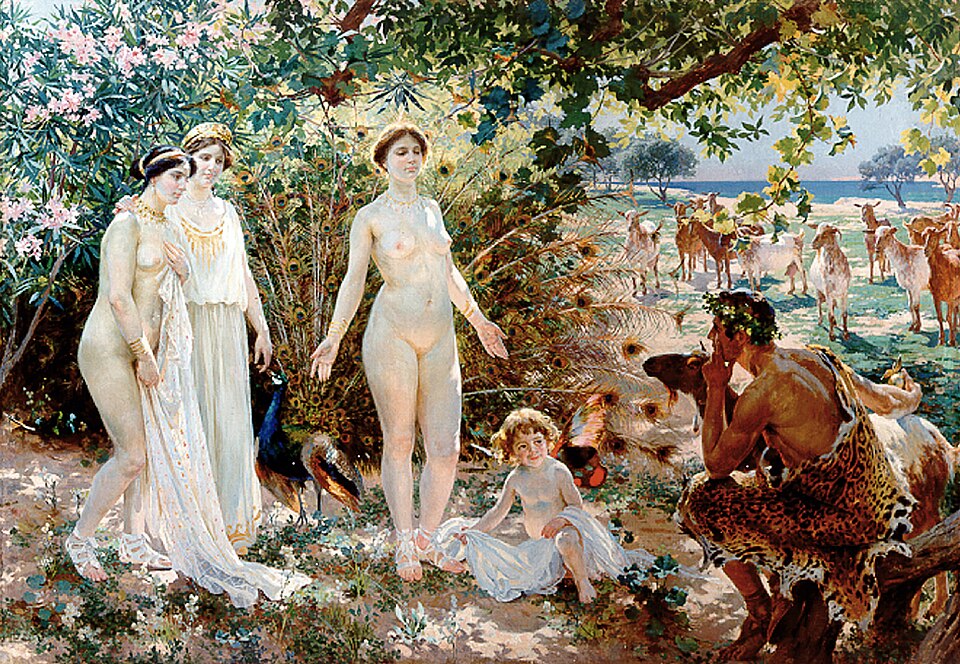
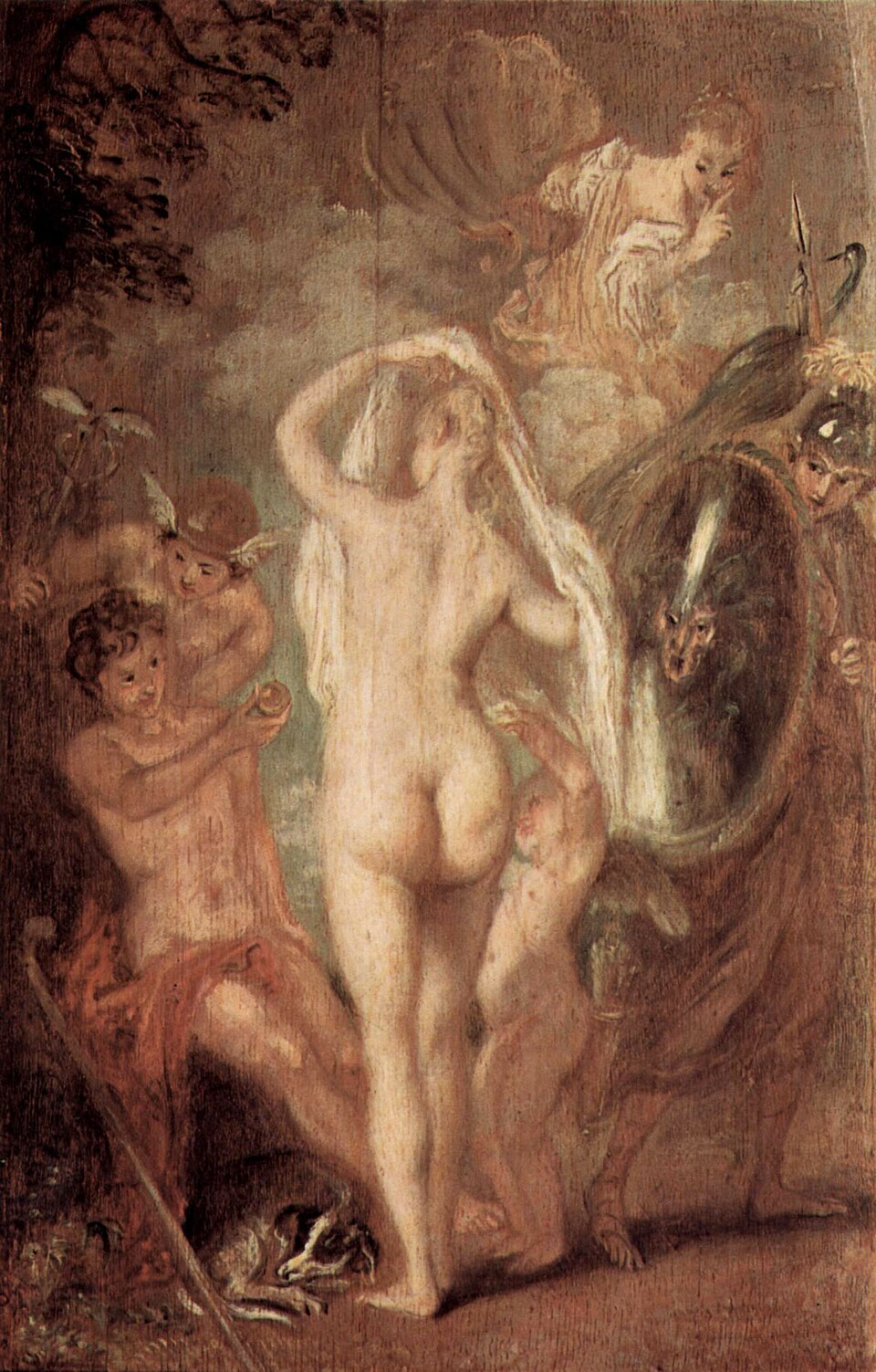
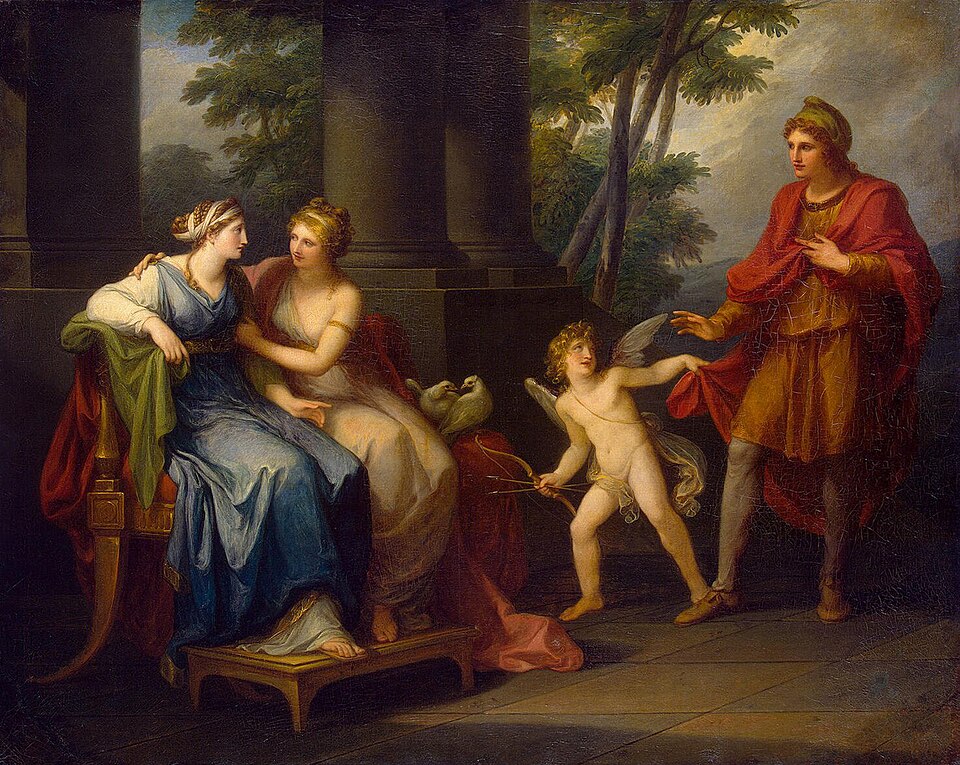
The mortal Zeus picks is Paris, a prince of Troy who is living as a shepherd on Mount Ida. The three goddesses appear before him and each offers a bribe. Hera offers power — rule over all of Asia. Athena offers victory in every battle. Aphrodite offers the most beautiful woman in the world.
Paris gives the apple to Aphrodite. It is the worst decision in Greek mythology. The woman Aphrodite has promised him is Helen, queen of Sparta — and she is already married. Worse, Paris has just made permanent enemies of Hera and Athena, who will spend the coming war working for Troy's destruction.
Other depictions of this scene
IV.
Helen of Troy
Prelude
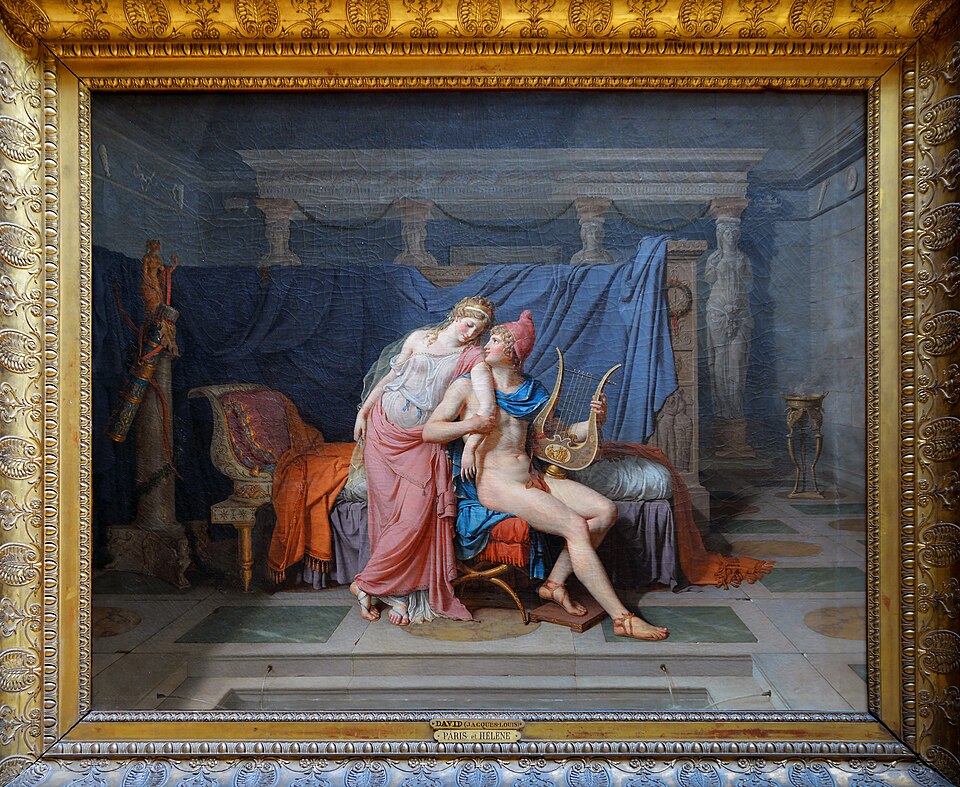
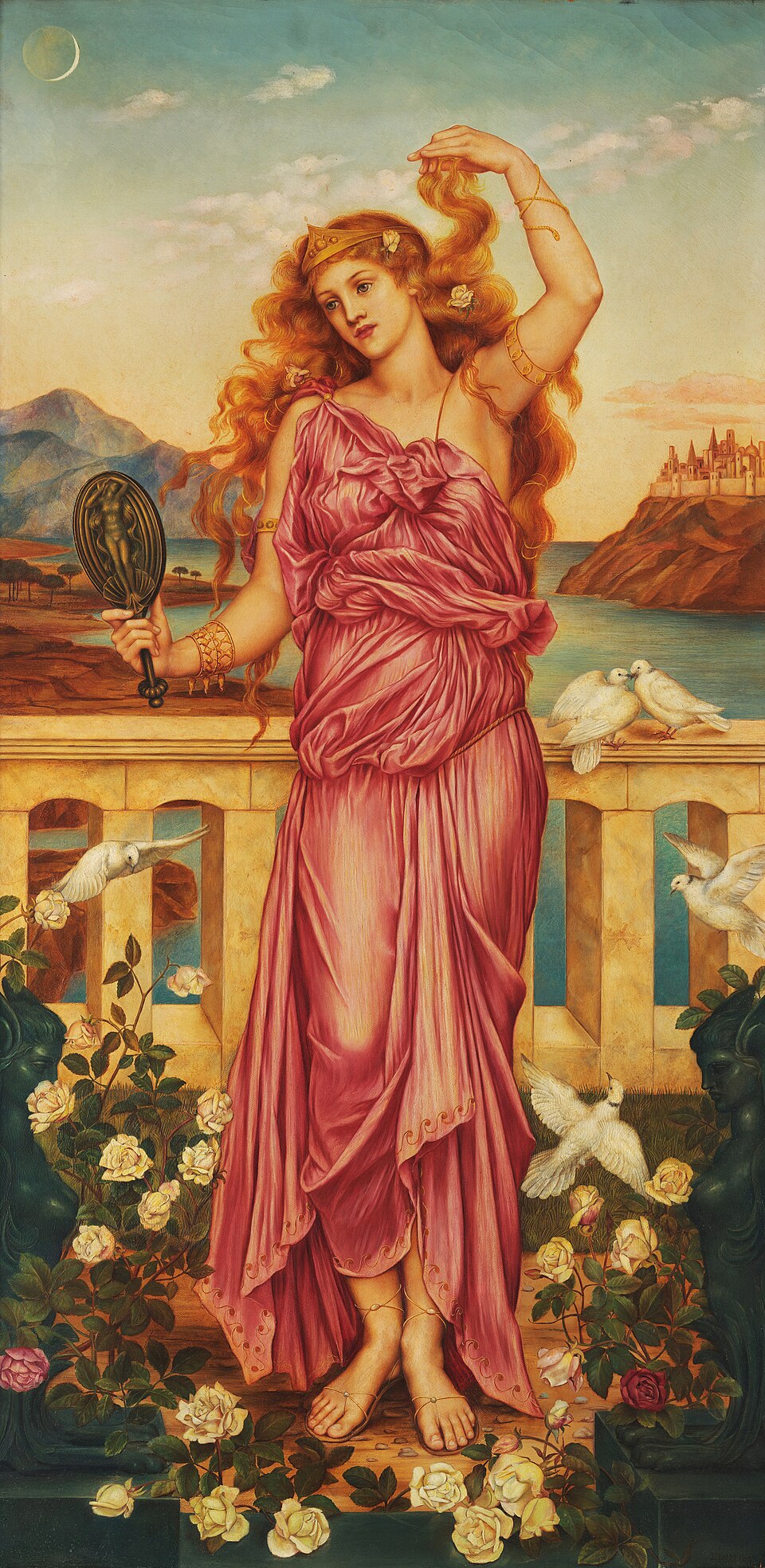
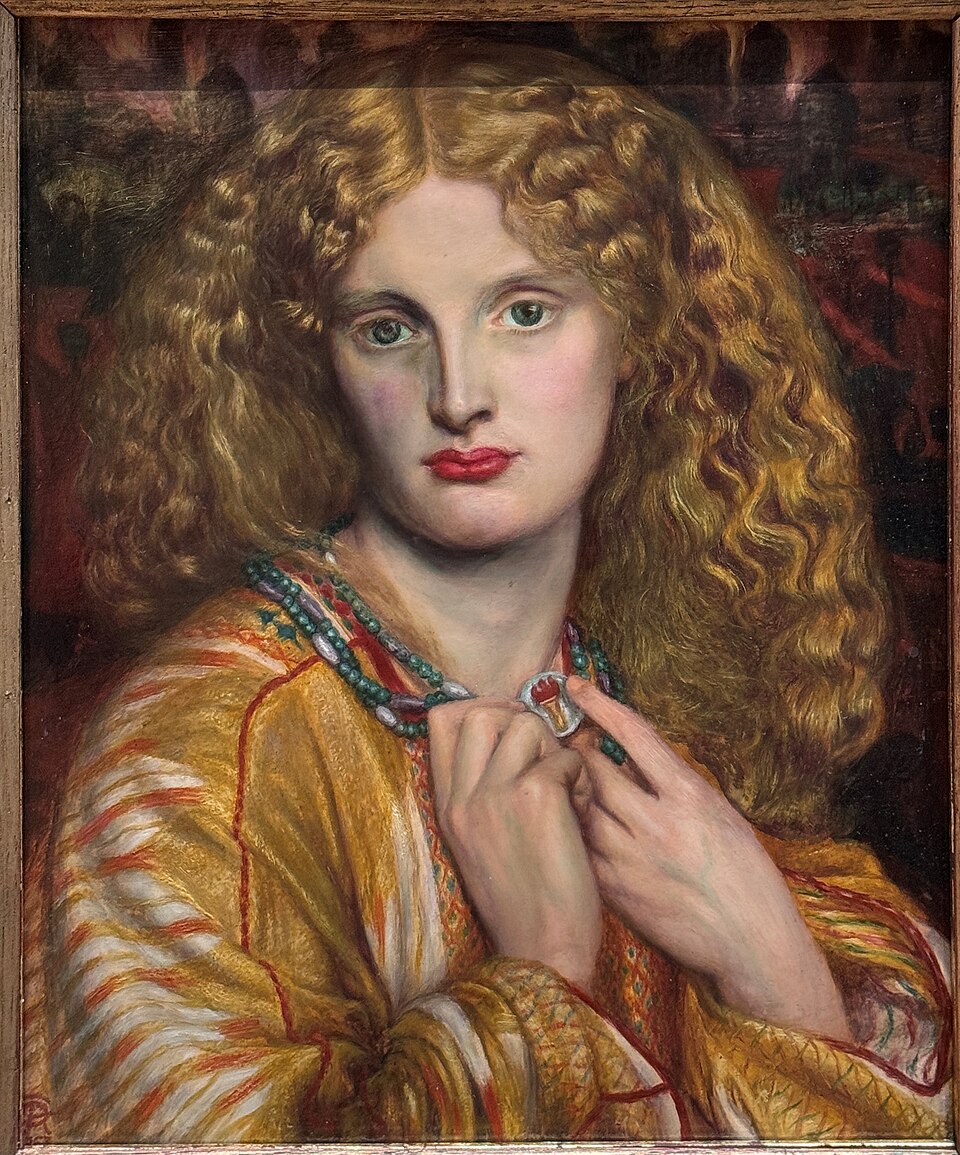
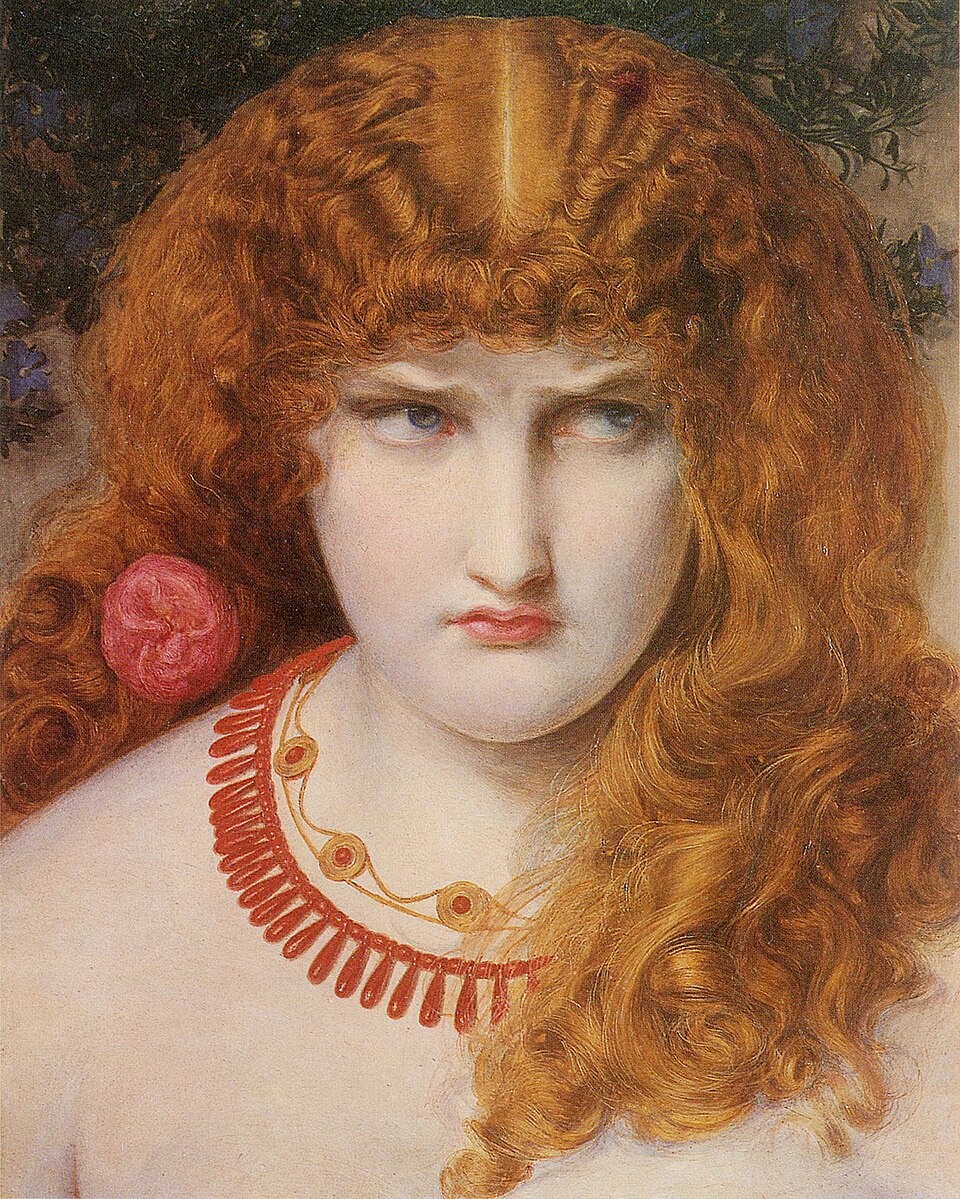
Helen is the most beautiful woman alive, a daughter of Zeus himself. Her marriage was a diplomatic problem: every king in Greece wanted her. Before her husband was chosen, all her suitors swore an oath — whoever won her, the rest would defend the marriage. She married Menelaus, king of Sparta.
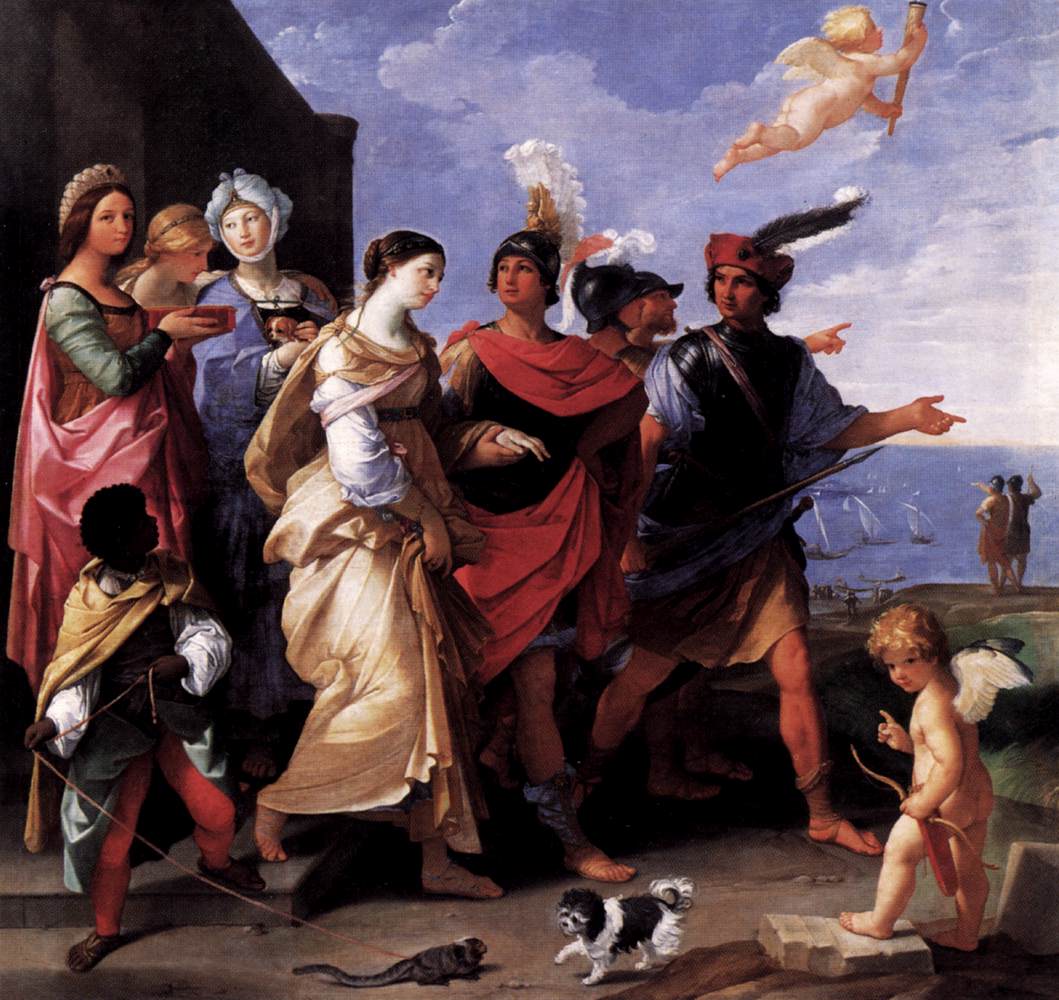
Paris arrives in Sparta as a guest. When Menelaus leaves town, Paris sails home with Helen — with Aphrodite's help. Whether Helen went willingly or was taken by force is a question the Greeks themselves argued about, and painters have taken both sides ever since.
The oath now comes due. Menelaus's brother Agamemnon, the most powerful king in Greece, summons every ruler bound by it. A thousand ships gather to bring Helen back and burn Troy to the ground.
Other depictions of this scene
V.
The Sacrifice of Iphigenia
Prelude · Aulis
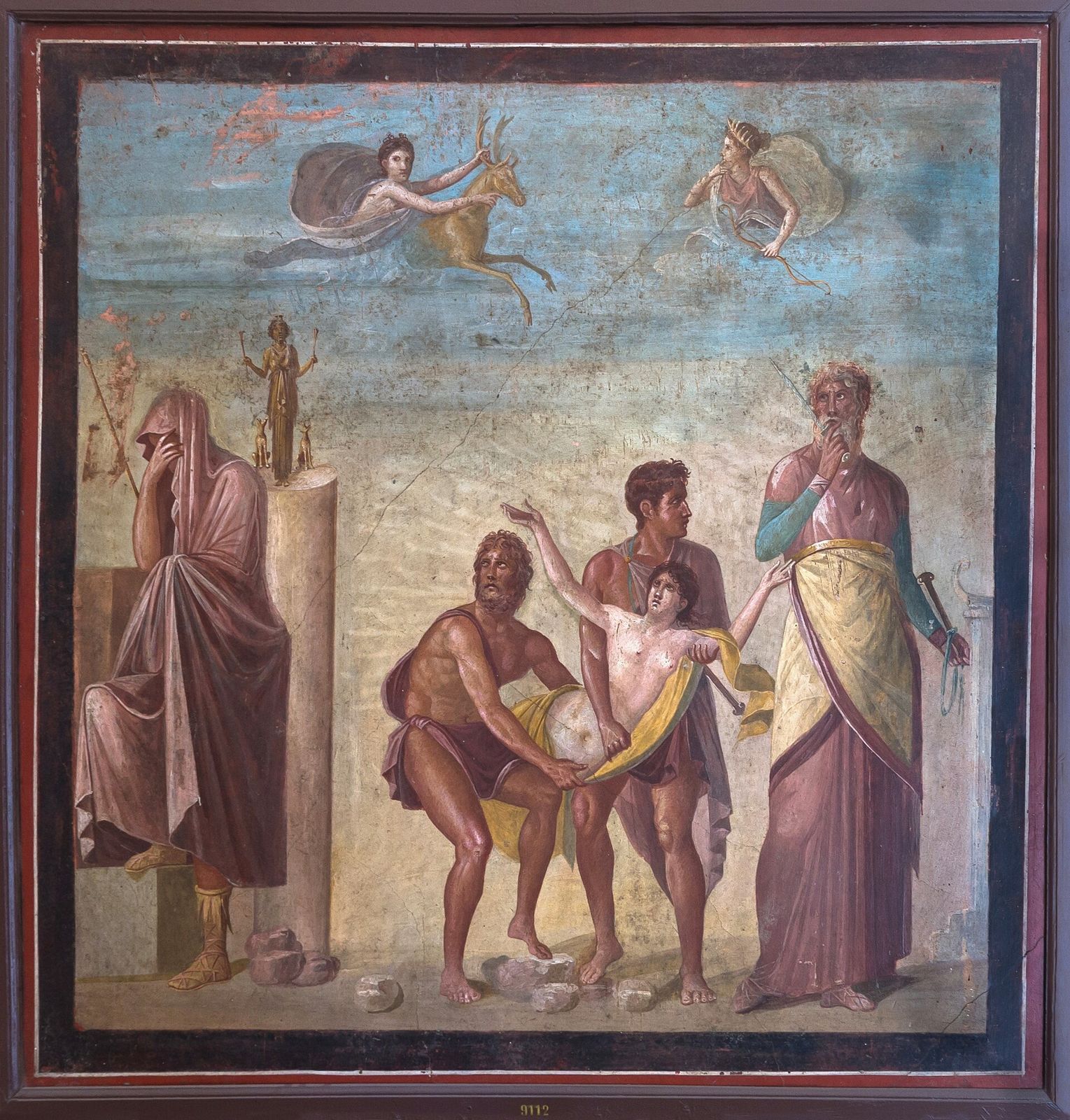
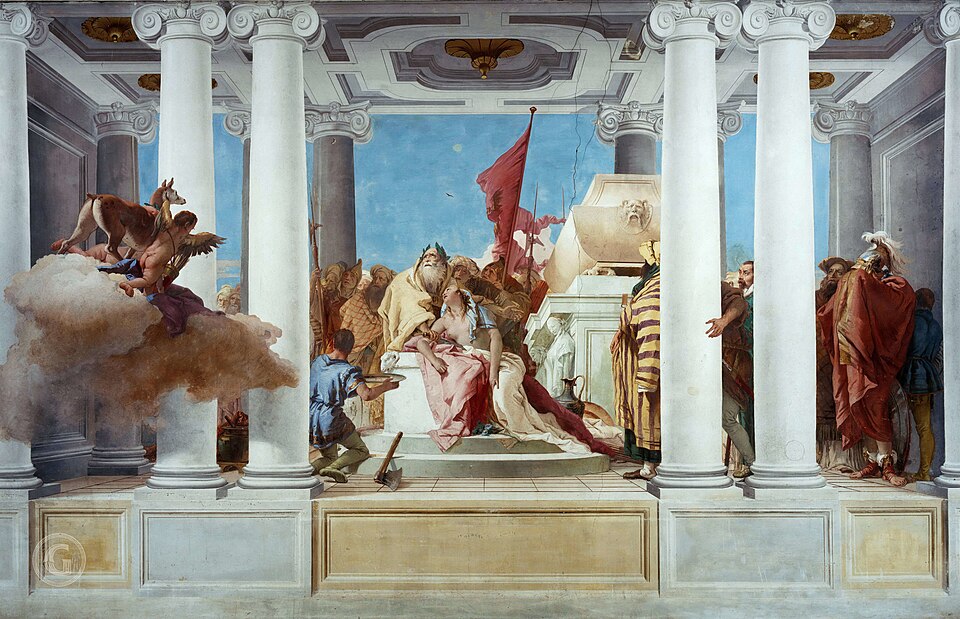
The Greek fleet assembles at Aulis, a harbor on the Greek coast — and then the wind dies. For weeks, not a single ship can sail. A priest reveals the reason: Agamemnon has offended the goddess Artemis. The price of a fair wind is the life of Agamemnon's own daughter, Iphigenia.
Agamemnon sends for her with a lie — he tells her mother the girl is coming to marry Achilles. When Achilles learns his name was used as bait, he is furious, but it changes nothing. Iphigenia is sacrificed on the altar. In some versions Artemis swaps her for a deer at the last instant; in others the knife falls.
The wind returns and the fleet sails. But Agamemnon has shown what he is willing to pay for this war, and his family will make him pay for it in turn when he comes home.
Other depictions of this scene
VI.
The Making of Achilles
Prelude
Achilles, son of Peleus and Thetis, grows up knowing his fate. His mother, being a goddess, has heard the prophecy: her son will either live a long, quiet, forgotten life, or die young at Troy with everlasting fame. She spends his childhood trying to cheat that fate.
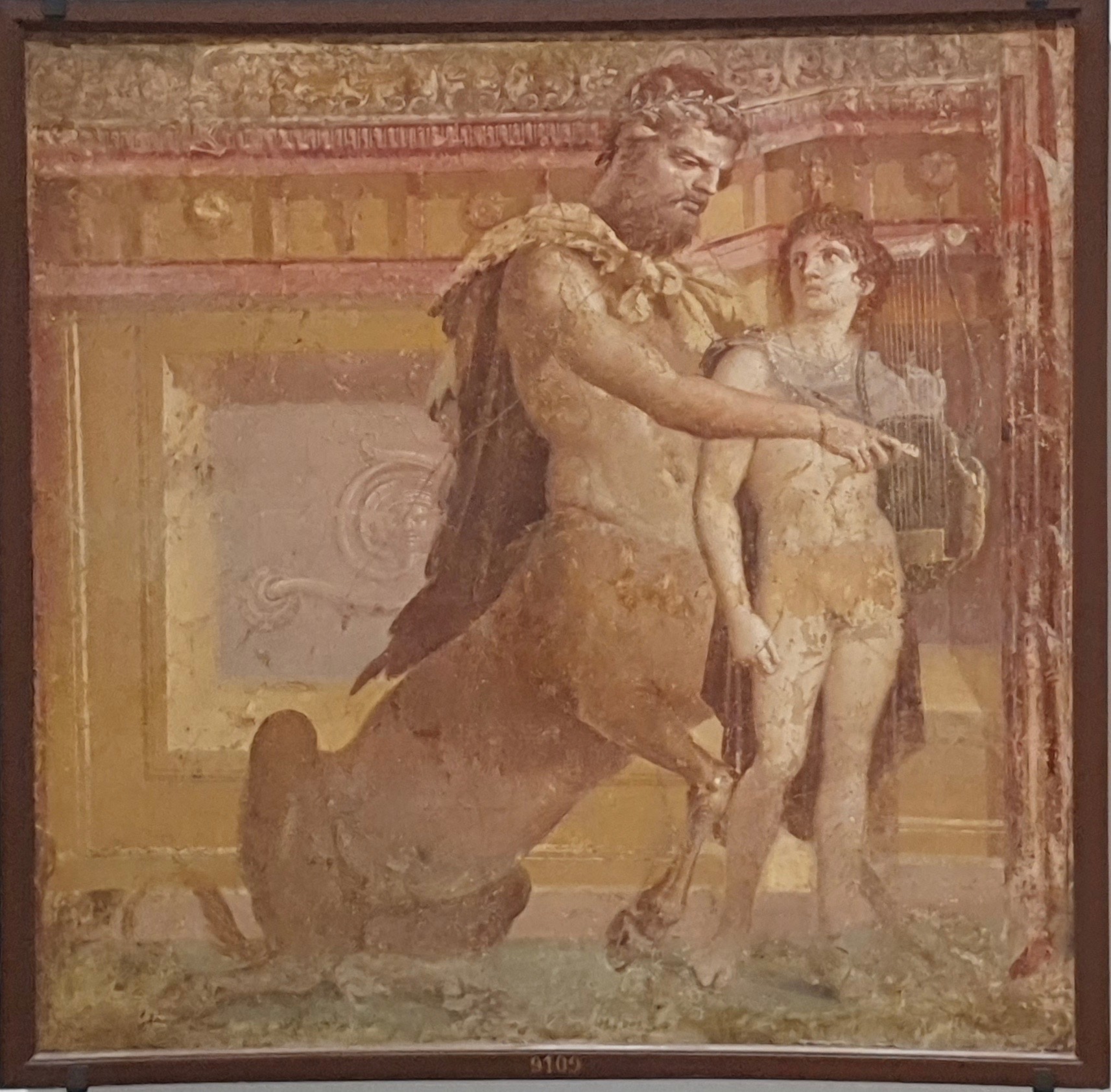
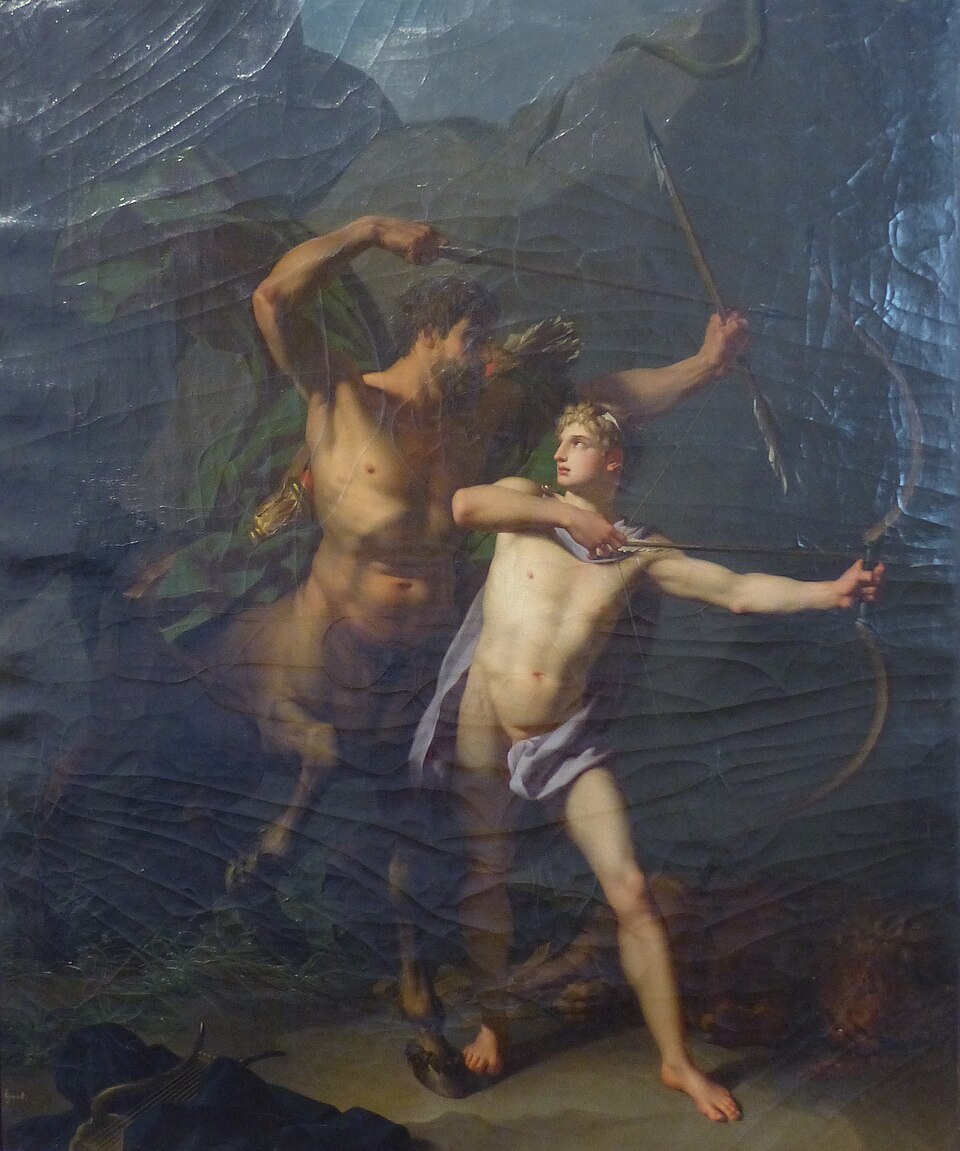
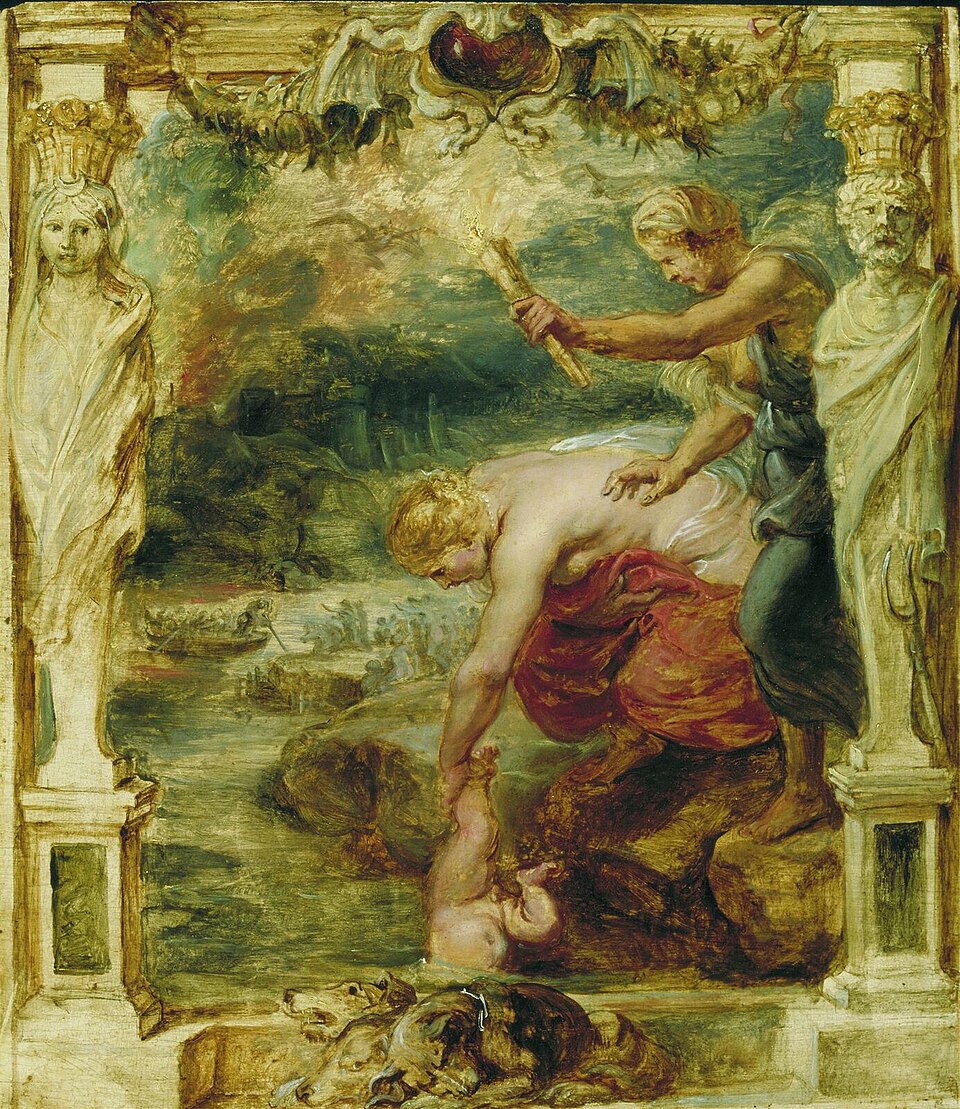
In the most famous story, she dips the infant Achilles in the river Styx, the river of the dead, to make his body invulnerable. She holds him by one heel — the one spot the water never touches. The boy is then sent to be raised by Chiron, a wise centaur — half man, half horse — who teaches him medicine, music, and war.
Other depictions of this scene
VII.
Achilles Discovered on Skyros
Prelude
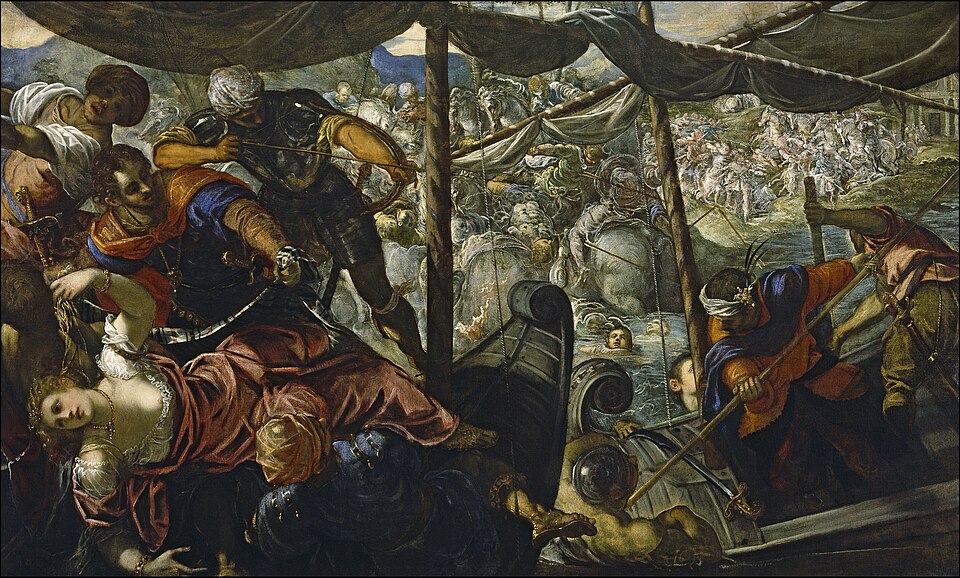
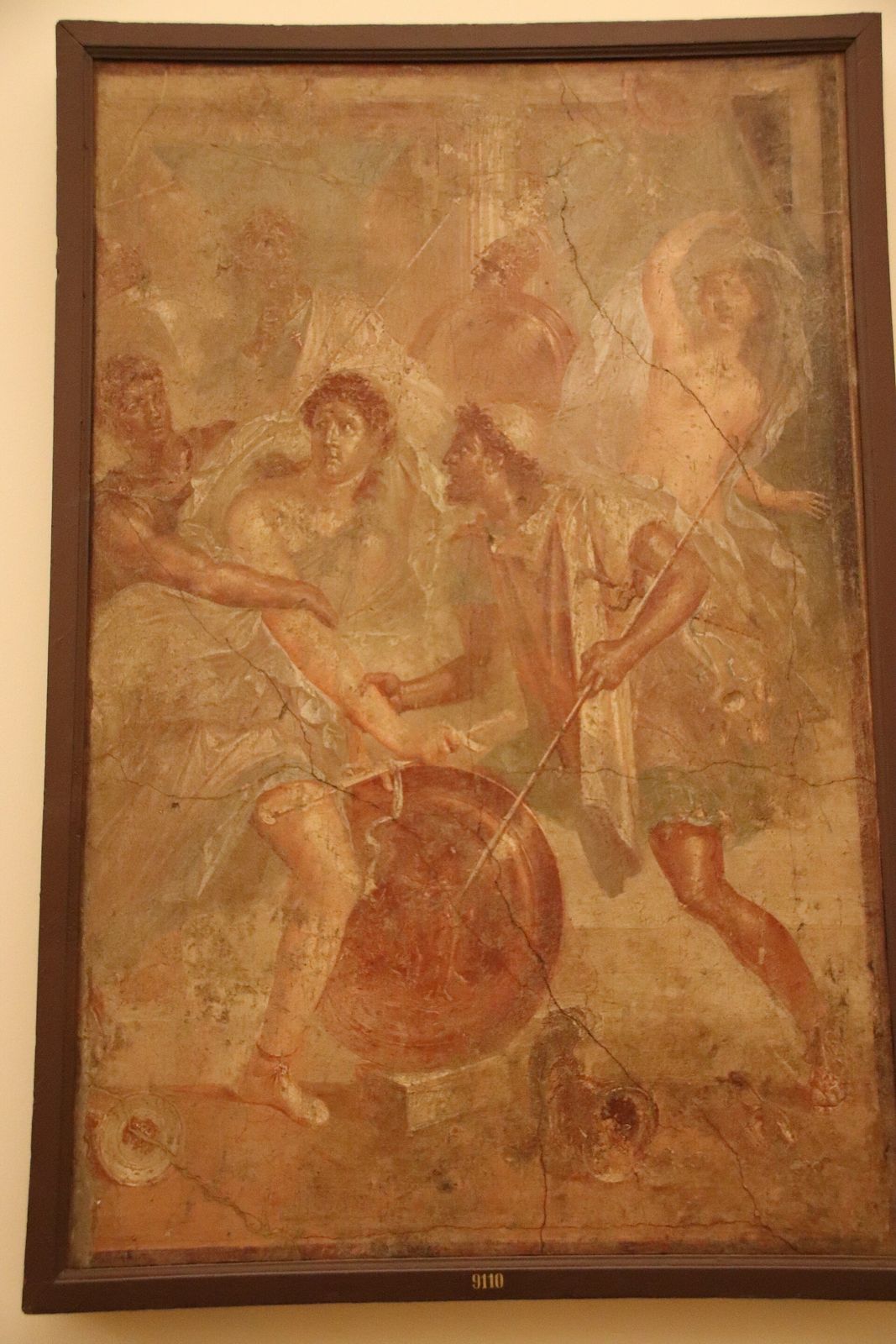
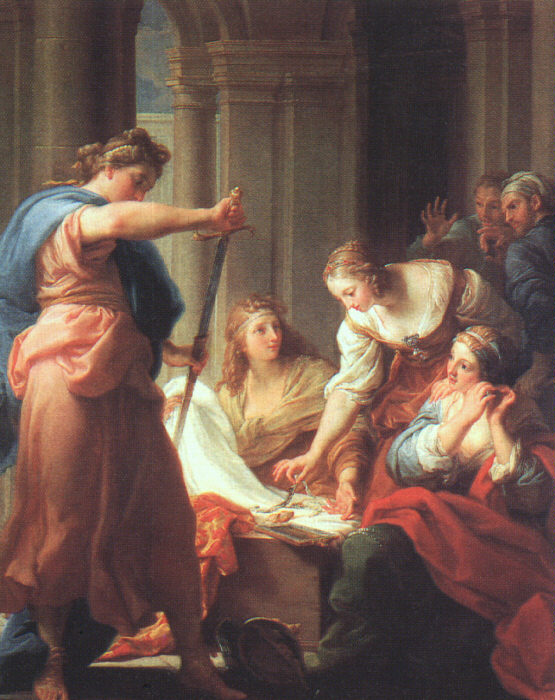
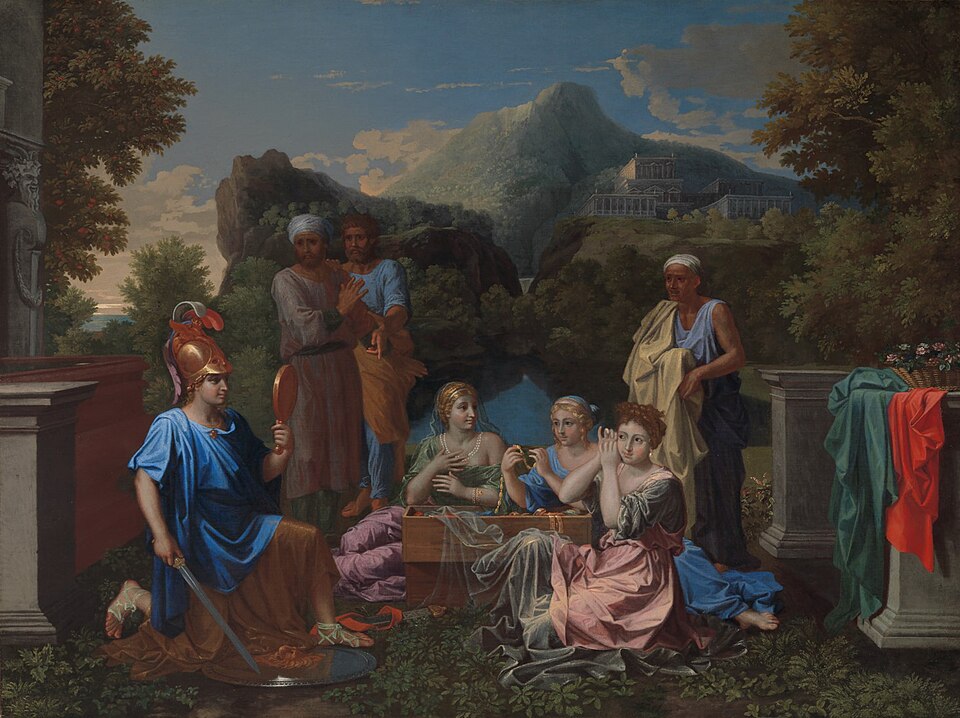
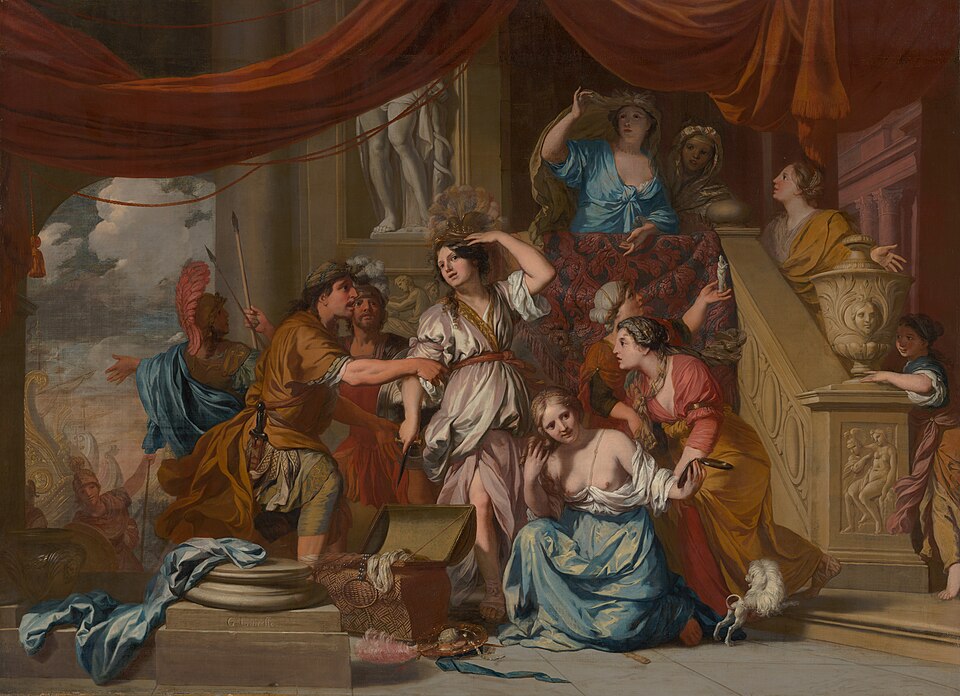
When the war begins, Thetis tries one last trick to save her son. She hides Achilles on the island of Skyros, disguised as a girl among the daughters of King Lycomedes. A prophecy has said Troy cannot fall without him, so the Greeks come looking.
Odysseus, king of Ithaca and the cleverest of the Greeks, arrives disguised as a merchant. He lays out gifts for the princesses: jewelry, dresses — and among them, a sword and shield. Then he has a battle-alarm sounded. The girls flee. One of them grabs the weapons. Achilles is caught, and he stops pretending. He chooses the short, famous life.
Other depictions of this scene
VIII.
The Long War
Before the poem
Troy does not fall quickly. It is a rich, walled city on the coast of what is now Turkey, ruled by the old king Priam, defended by his son Hector — the greatest of the Trojan warriors, as Achilles is the greatest of the Greeks. The siege grinds on for nine years.
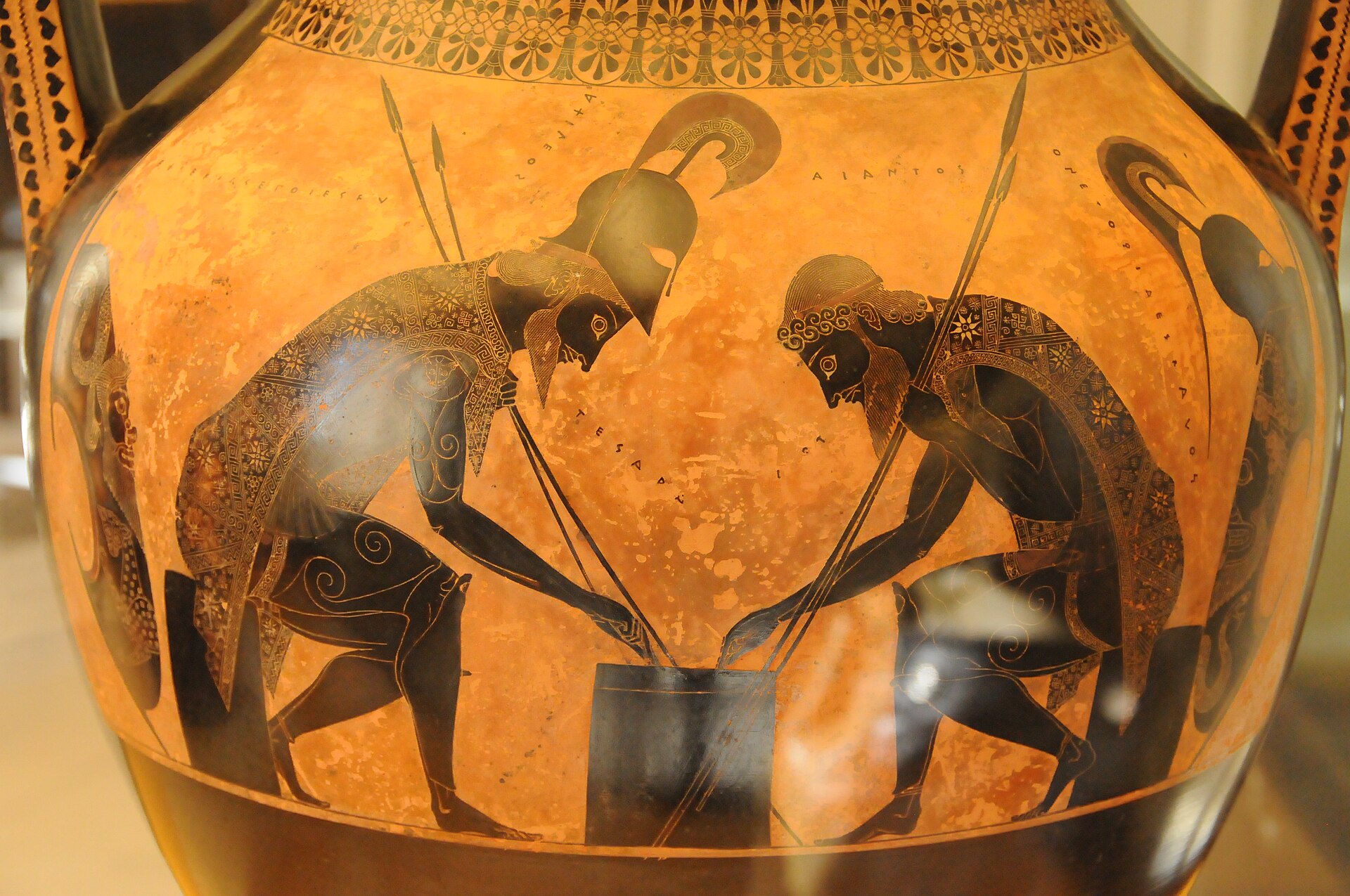
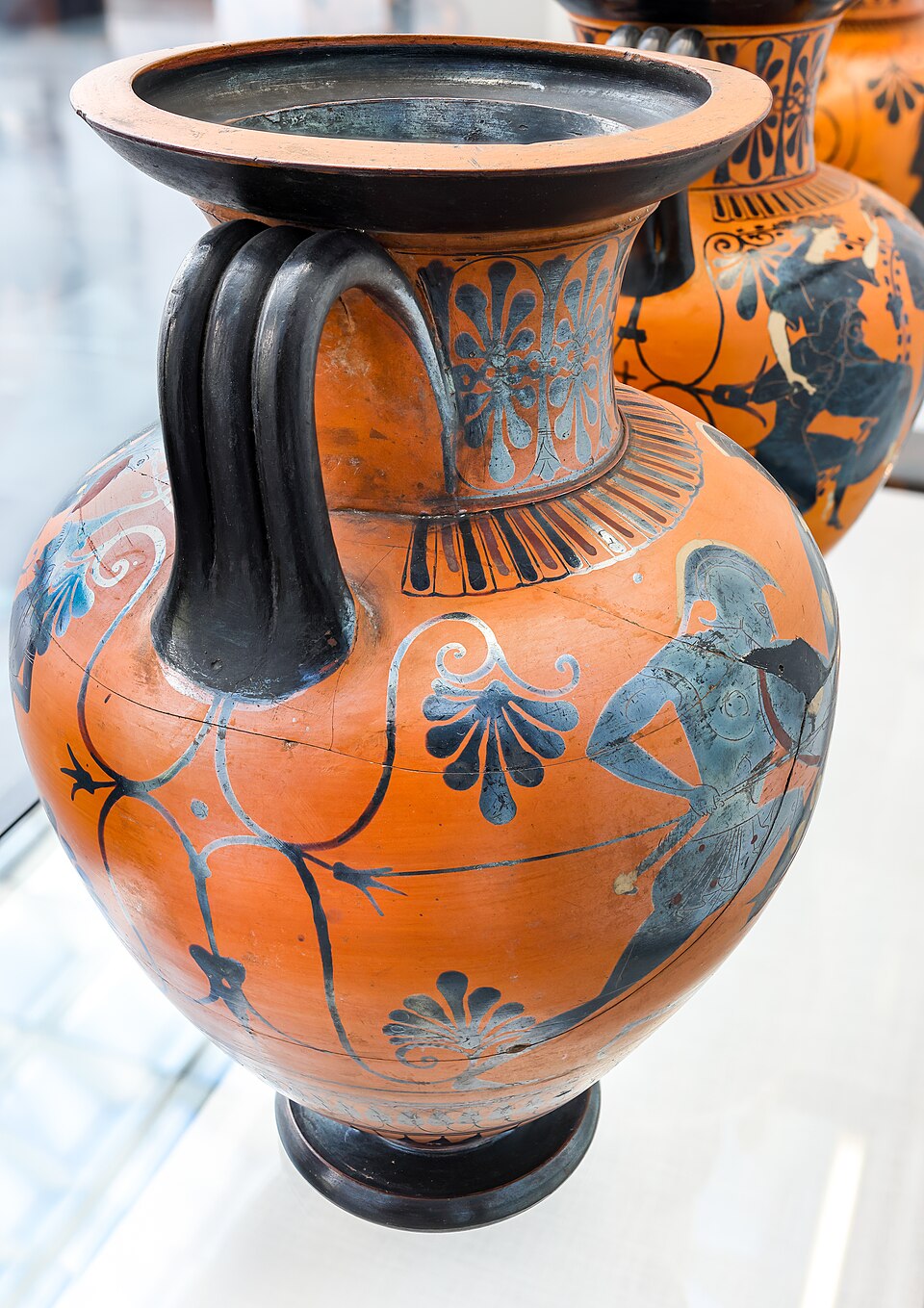
Homer's Iliad skips almost all of this. The poem covers only a few weeks in the tenth year. But ancient artists loved imagining the long dull stretches of the war — including the greatest Greek fighters, Achilles and Ajax, hunched over a board game between battles, killing time instead of Trojans.
In the tenth year, the Greeks are raiding towns around Troy for supplies and captives. Two captive women come back from one of these raids: Chryseis, awarded to Agamemnon, and Briseis, awarded to Achilles. Everything in the Iliad follows from these two prizes.
Other depictions of this scene
IX.
The Quarrel and Briseis
Book I
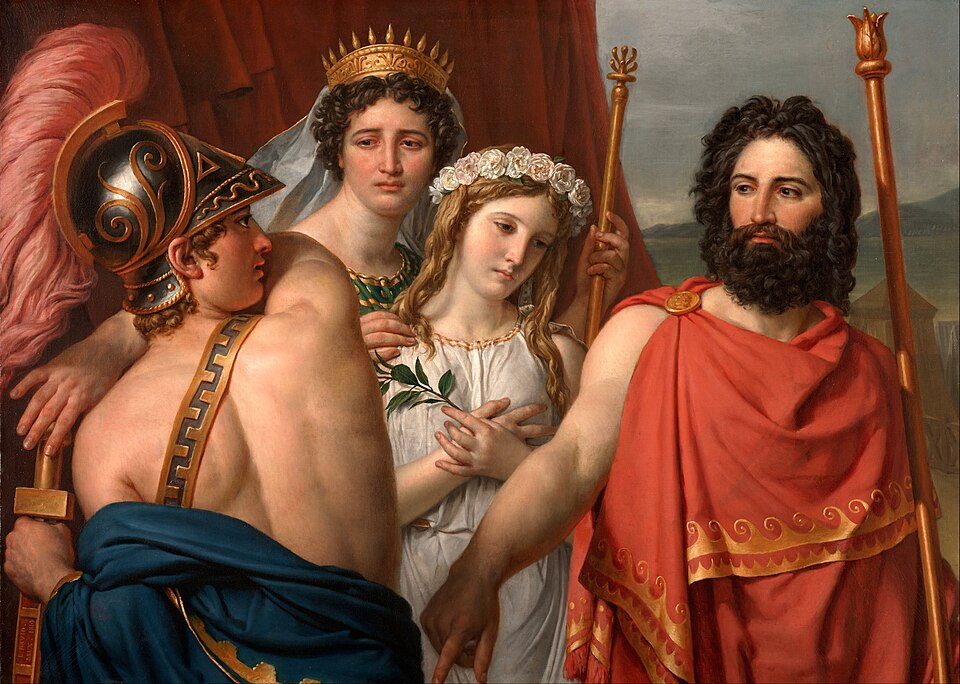
This is where the Iliad begins. Chryseis's father is a priest of the god Apollo. He comes to ransom his daughter, and Agamemnon insults him and sends him away. Apollo answers the priest's prayer by shooting plague-arrows into the Greek camp. Men and animals die for nine days.
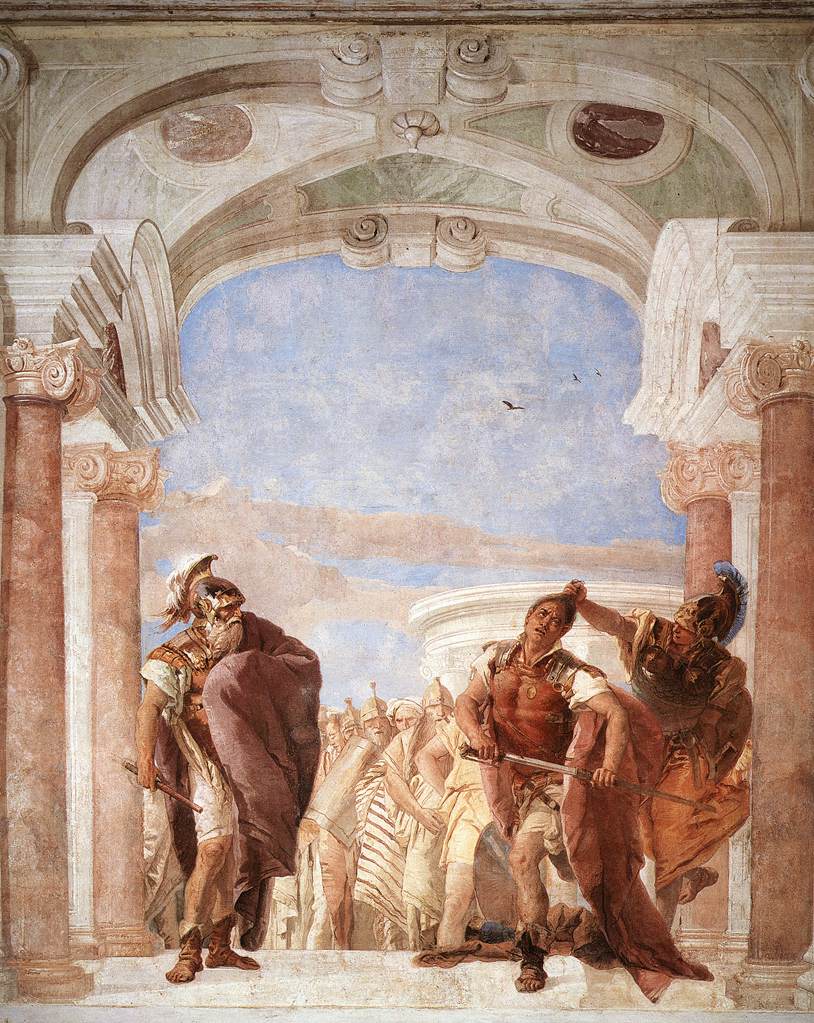
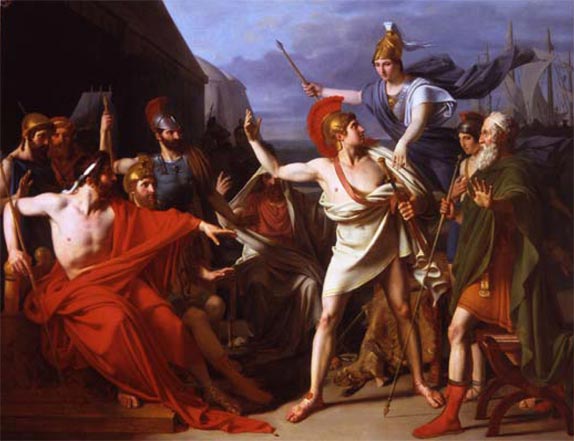
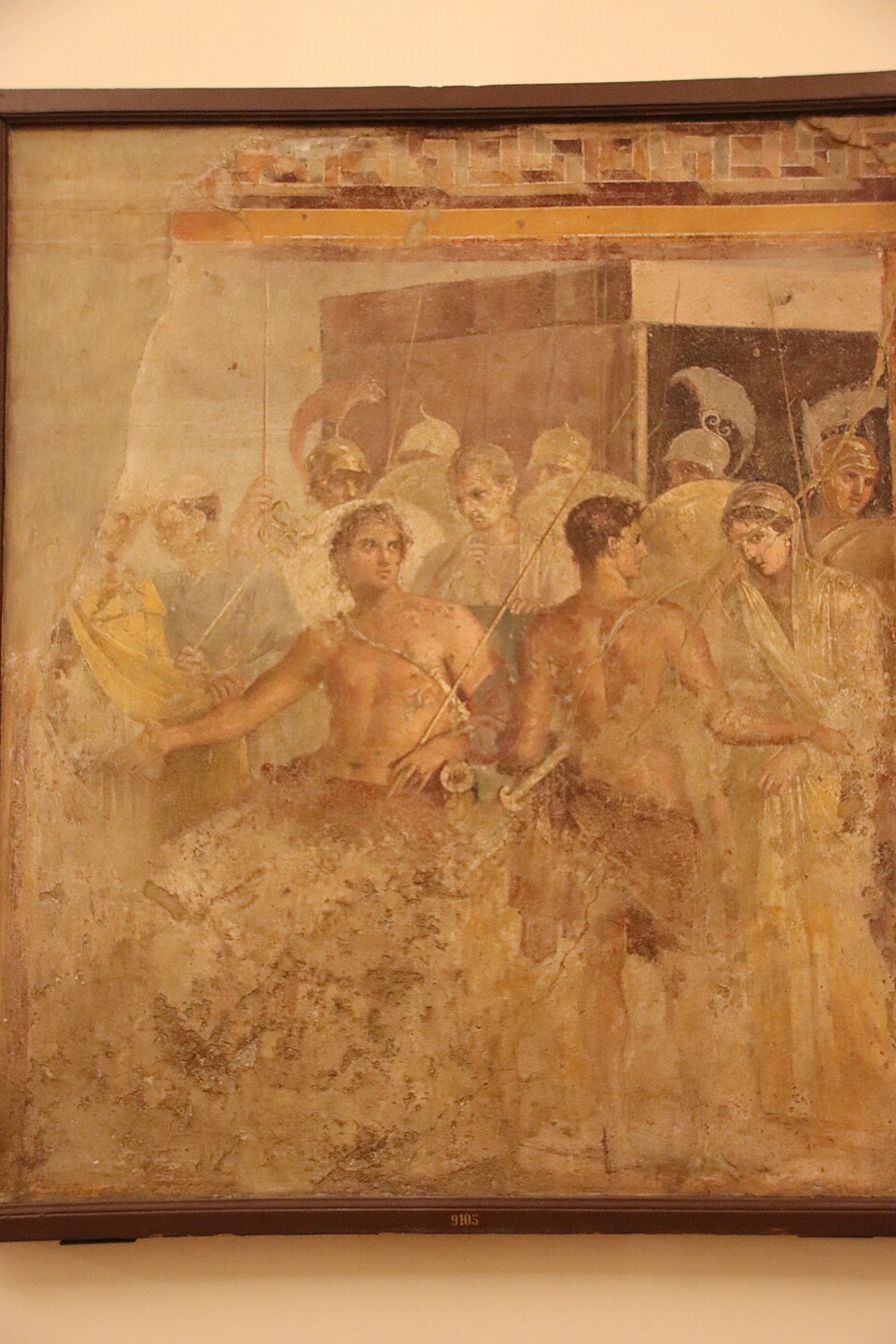
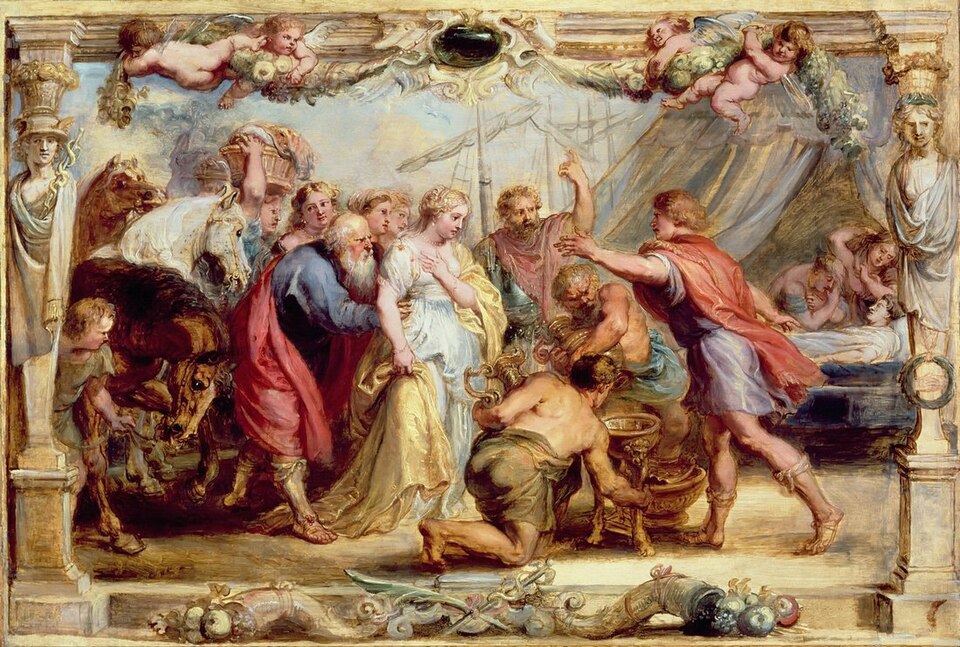
A prophet tells the army the truth: the plague is Agamemnon's fault, and Chryseis must go home. Agamemnon gives her up — and then, to save face, takes Briseis from Achilles instead. Achilles nearly kills him on the spot. The goddess Athena, invisible to everyone else, grabs Achilles by the hair and stops his sword hand.
Achilles obeys the goddess, but he is done. He announces that he and his men will no longer fight, walks to his tent, and stays there. The Greeks have just lost their best warrior over a stolen woman and a wounded ego — the 'wrath of Achilles' that is the poem's whole subject.
Other depictions of this scene
X.
Thetis on Olympus
Book I
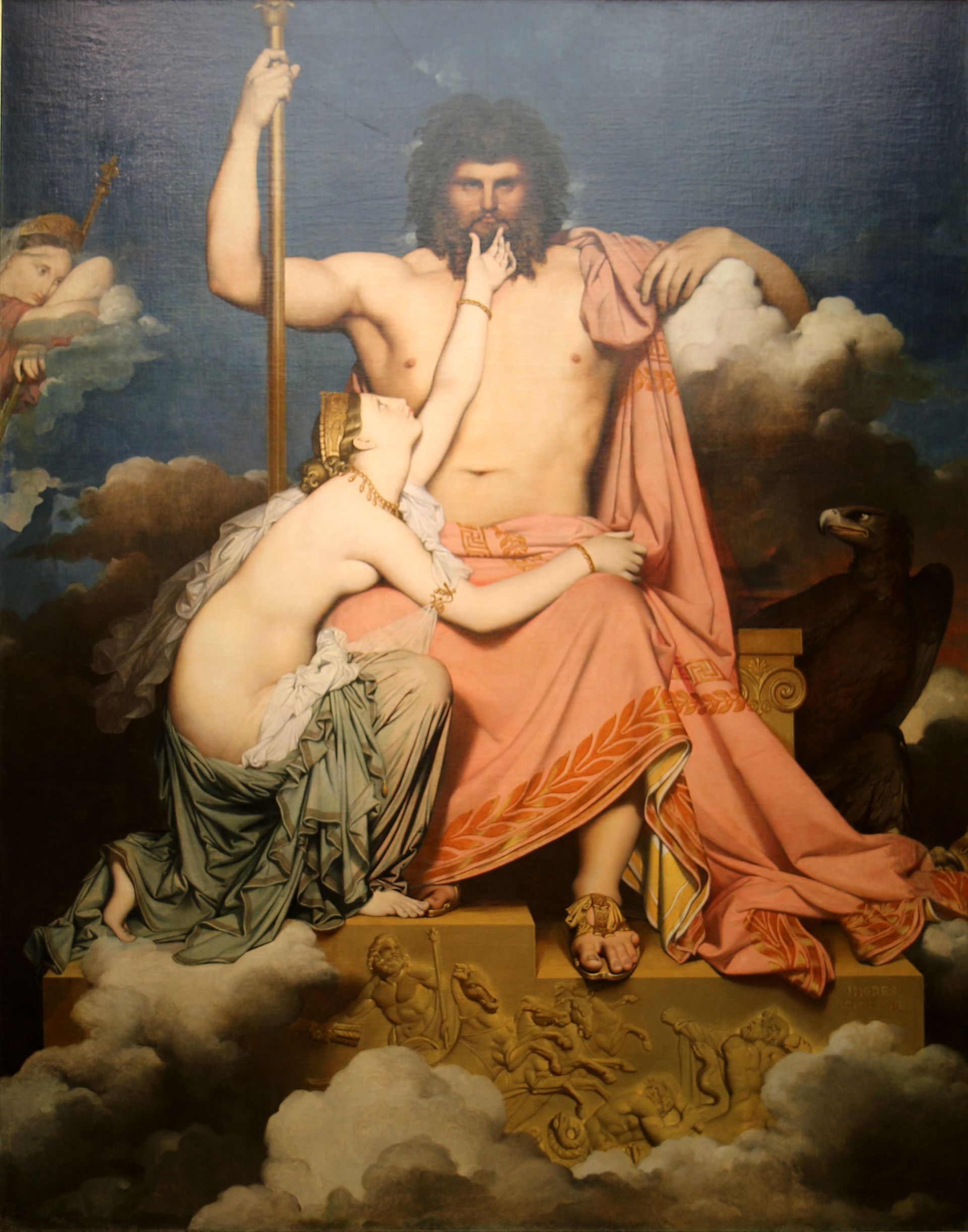
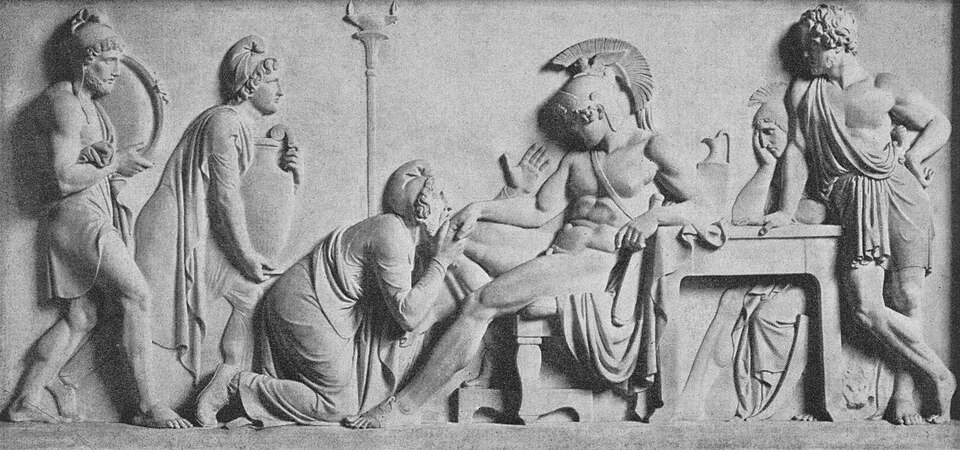
Achilles wants more than to sulk. He wants the Greeks to lose, so they will learn what he is worth. He asks his mother for a favor only a goddess can deliver. Thetis rises to Olympus and kneels before Zeus — called Jupiter by the Romans — clasping his knees and touching his chin, the ancient posture of a beggar who cannot be refused.
Her request: let the Trojans win, and keep winning, until the Greeks come crawling back to her dishonored son. Zeus owes Thetis an old debt, and he nods — the nod that shakes Olympus and cannot be taken back. His wife Hera, who hates Troy, sees everything. From here on, the war on earth is mirrored by a quarrel in heaven.
XI.
Hector and Andromache
Book VI
The fighting resumes without Achilles, and at first the Greeks hold their own — their champion Diomedes even wounds two gods, Aphrodite and Ares, with Athena's help. There is a truce for a duel: Paris against Menelaus, the two men the war is actually about. Menelaus wins easily, but Aphrodite whisks Paris off the field in a cloud before he can be killed. The war goes on.
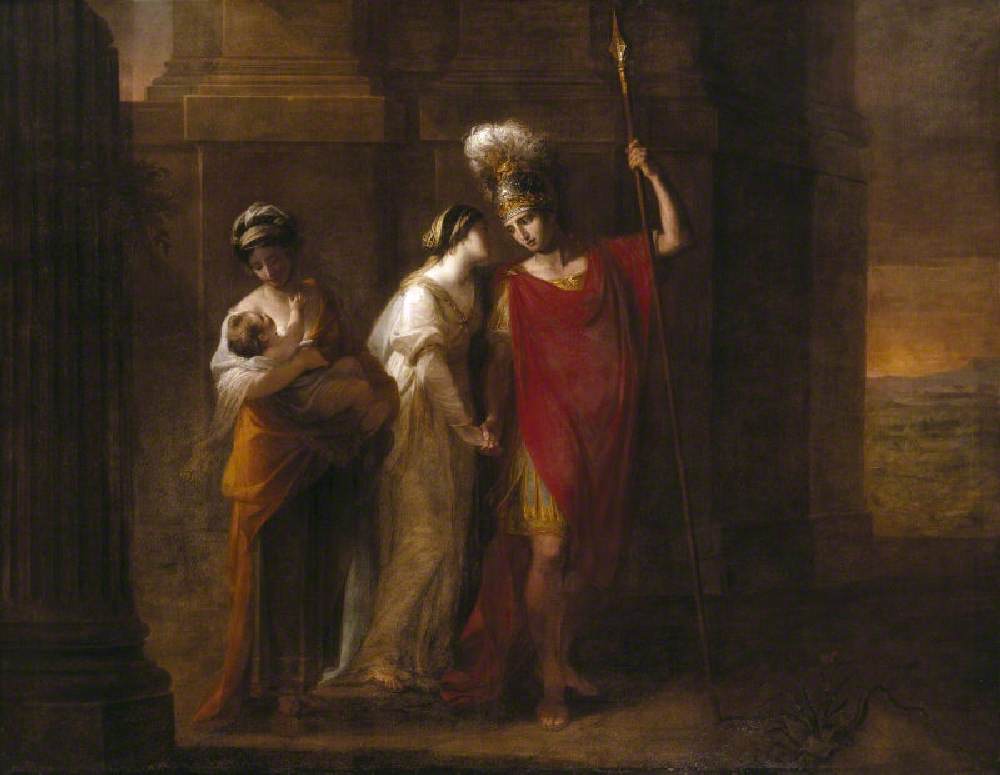
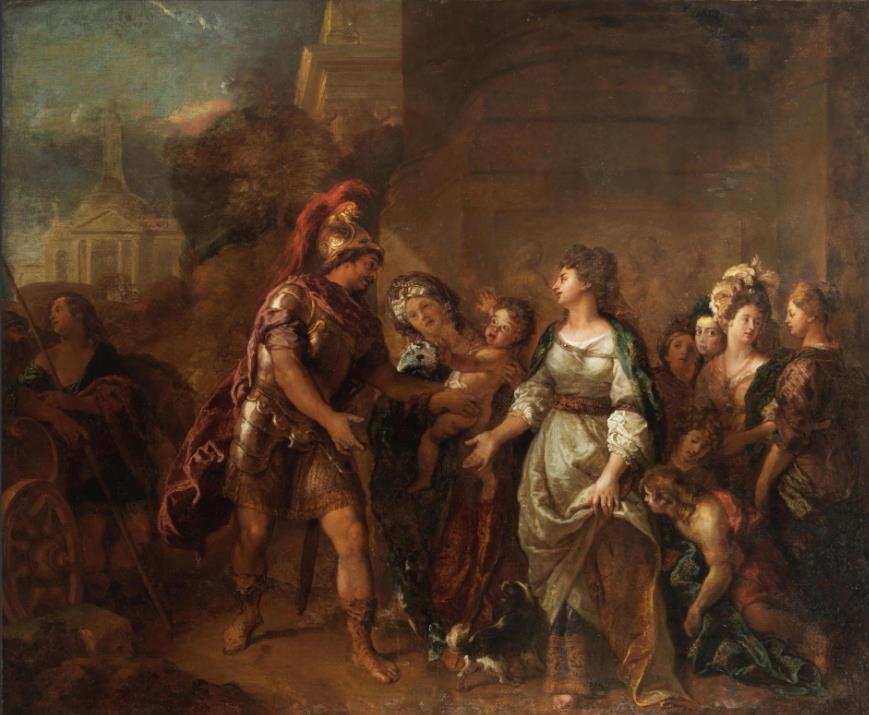
Inside Troy, Hector — Priam's eldest son and the city's one indispensable defender — goes home to find his wife Andromache and their baby son. Andromache begs him to fight from the walls. Achilles has already killed her father and her seven brothers; Hector is everything she has left.
Hector answers that he would die of shame if he hid from battle. He reaches for his son, and the baby screams — terrified of the huge bronze helmet with its horsehair crest. Hector laughs, takes the helmet off, kisses the boy, and prays that he will grow up to be a better man than his father. Then he goes back to the war. It is the most human scene Homer wrote, and everyone in it is doomed.
Other depictions of this scene
XII.
The Embassy to Achilles
Book IX
Zeus keeps his promise to Thetis. The Trojans push the Greeks back across the plain, and for the first time in ten years, Hector's army camps in the open, their watchfires burning within sight of the Greek ships. The Greeks are one bad day from being driven into the sea.
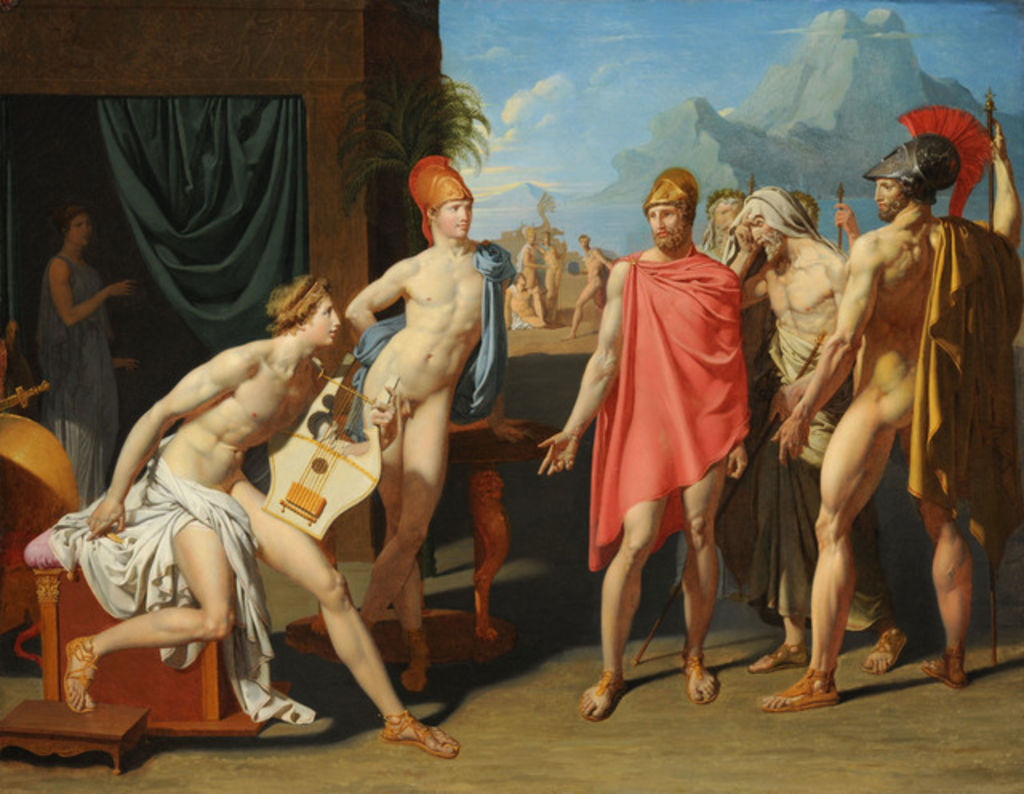
Agamemnon cracks. He sends an embassy to Achilles' tent — Odysseus the talker, old Phoenix who helped raise Achilles, and the warrior Ajax — with a staggering offer: treasure, cities, Briseis returned untouched, and one of Agamemnon's own daughters in marriage. Achilles hosts them politely, then refuses everything. No amount of treasure, he says, is worth his life. The embassy walks back through the dark with nothing.
XIII.
The Gods at War
Books V, XX–XXI
The gods of Olympus are not spectators in this war. They take sides, argue, cheat, and sometimes wade into the fighting themselves. Hera and Athena work for the Greeks; Aphrodite, Apollo, and Ares fight for Troy; Zeus tries to hold the balance while secretly tipping it.
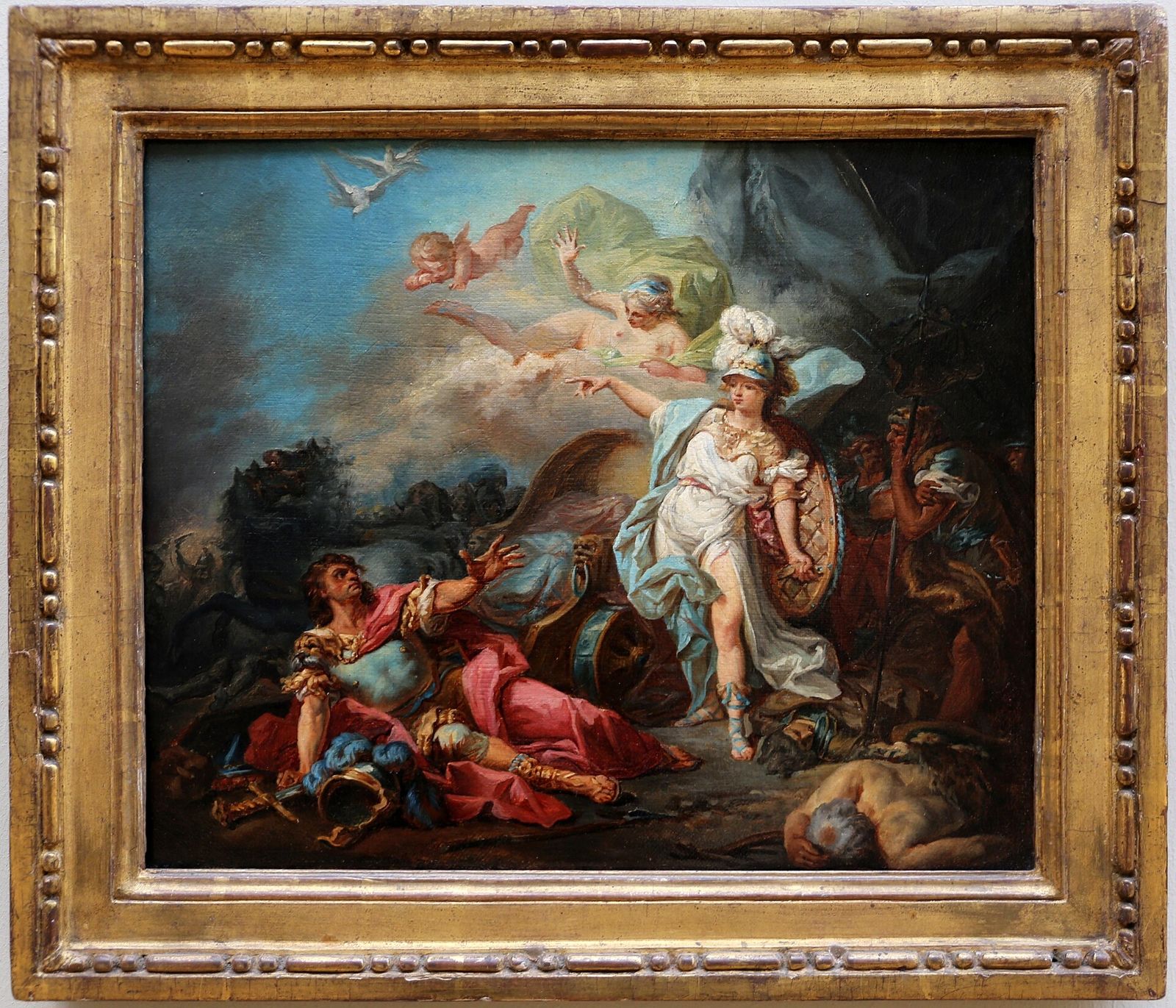
At the war's climax Zeus lifts all restraints and lets the gods fight openly — Athena flattens Ares, the war god himself, with a boulder. Artists loved these divine brawls: gods in armor, colliding above the human slaughter like weather.
XIV.
The Death of Sarpedon
Book XVI
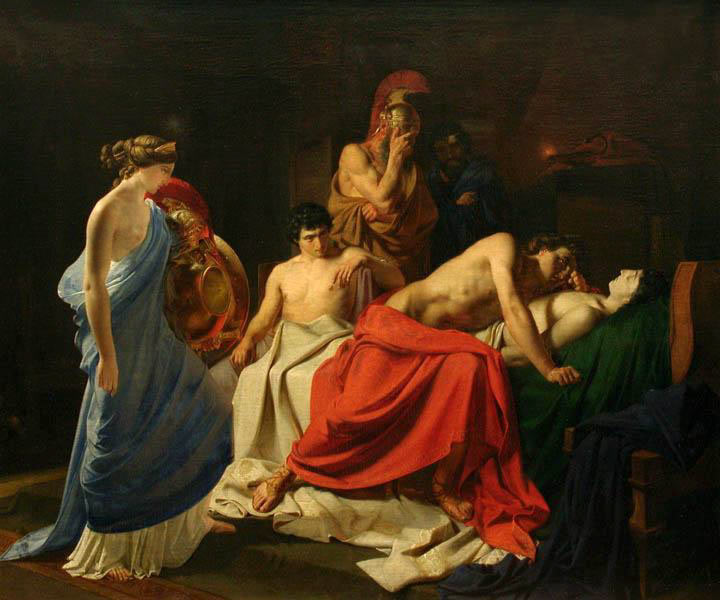
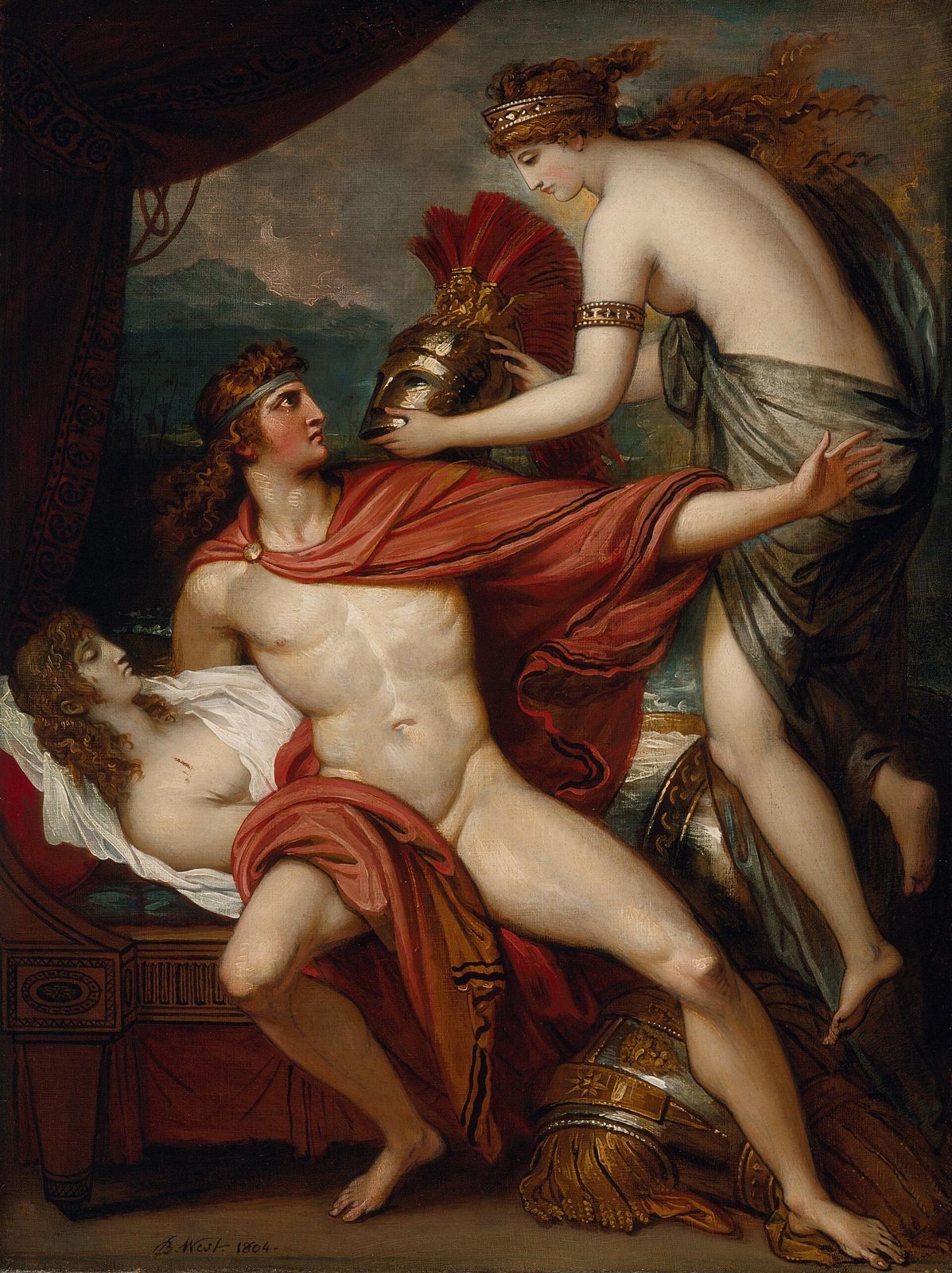
With Achilles still refusing to fight, the Trojans breach the Greek wall and start burning the ships. Achilles' closest friend, Patroclus, can't bear to watch. He begs Achilles: if you won't fight, lend me your armor — the sight of it alone may scare the Trojans back. Achilles agrees, with one warning: drive them from the ships, then stop.
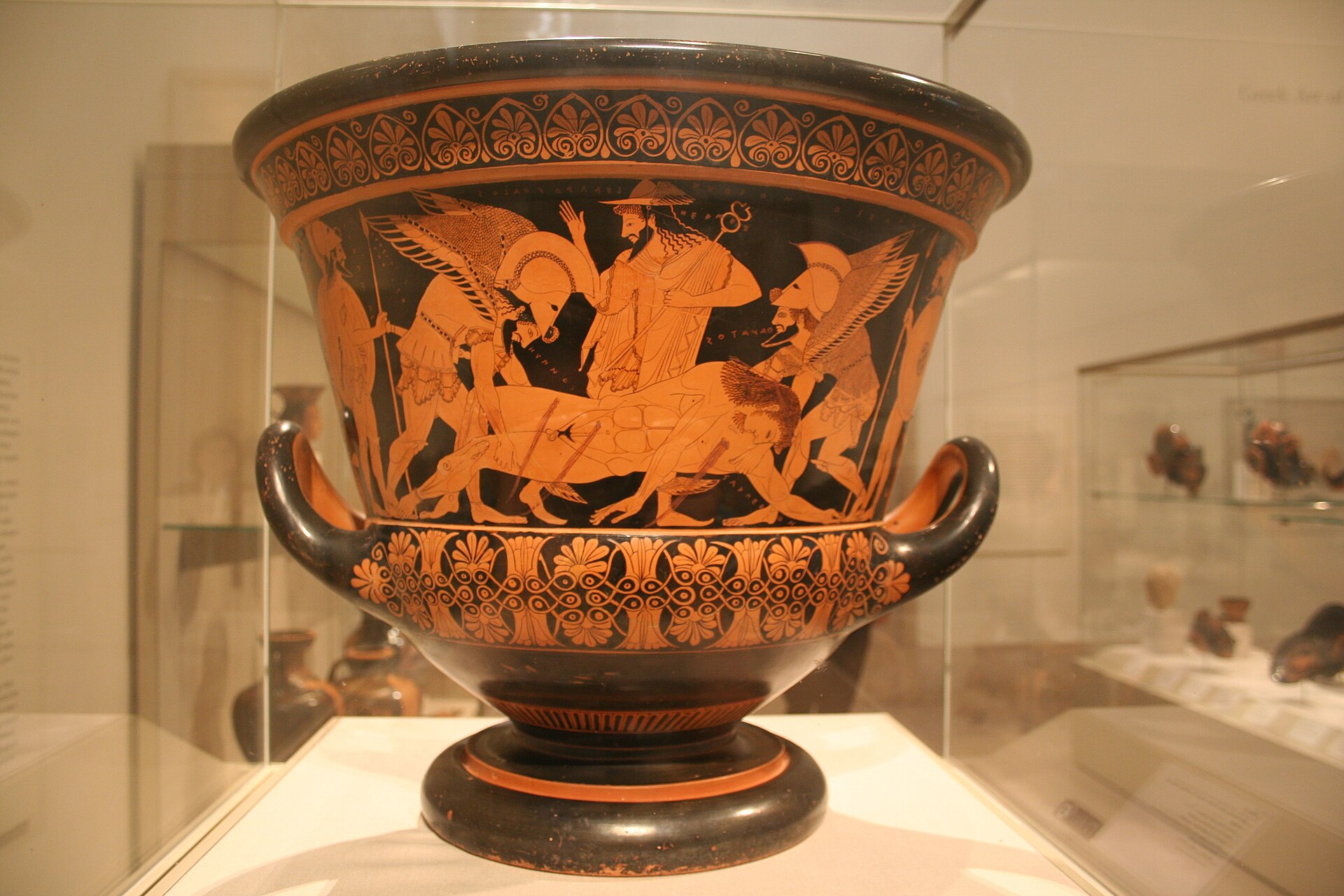
Patroclus, wearing Achilles' armor, sweeps the Trojans back from the ships and kills Sarpedon — a Trojan ally who is a son of Zeus himself. Zeus watches from Olympus and considers saving him, but Hera talks him out of it: every god has mortal children in this war, and the rules must hold even for the king of the gods.
So Zeus lets his son die. He sends the twin spirits Sleep and Death to lift Sarpedon's body from the battlefield and carry it home to Lycia for burial. It is the war's gentlest image of its hardest rule: not even Zeus can exempt the people he loves.
XV.
The Fight for the Body of Patroclus
Book XVII
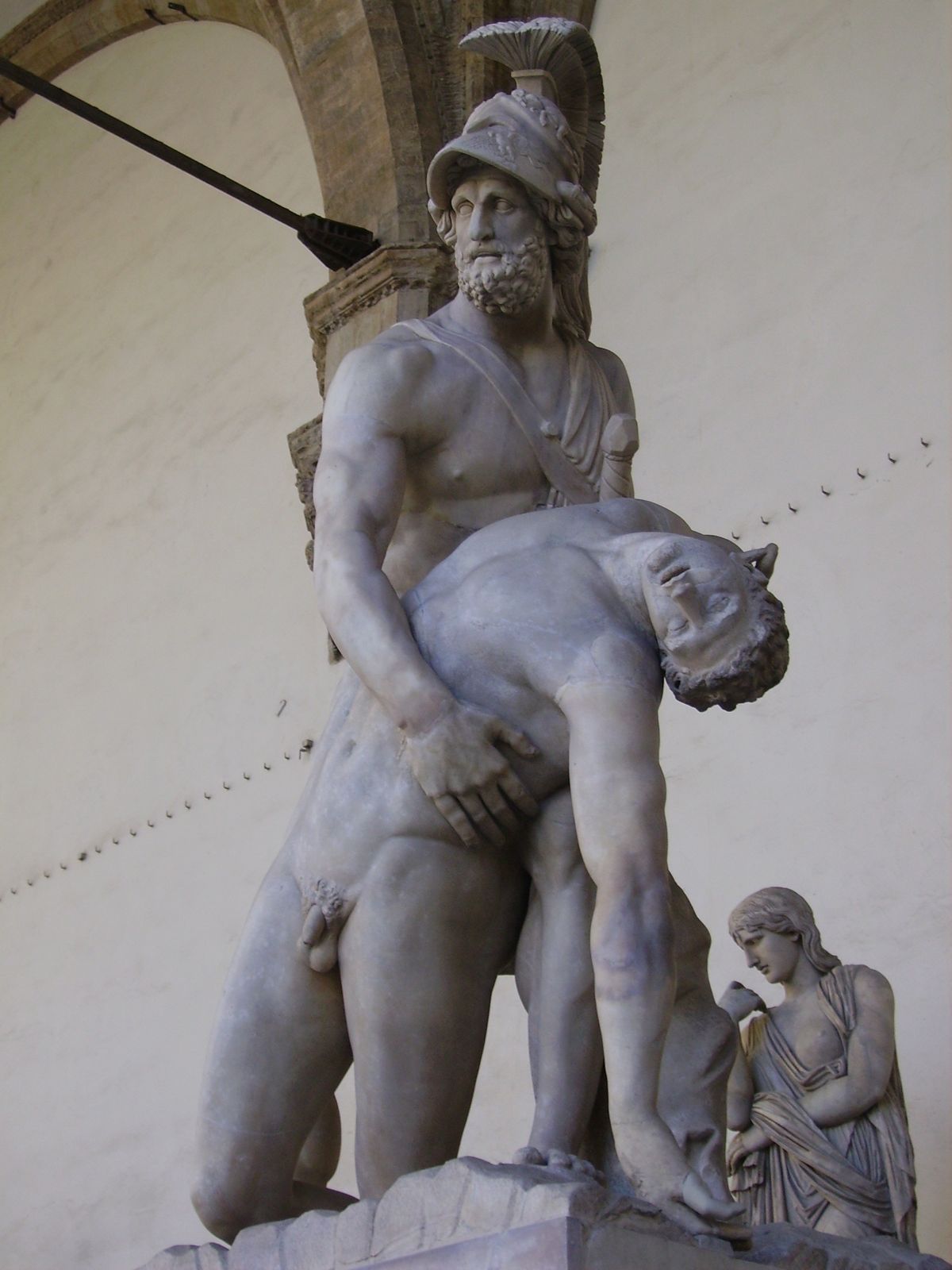
Patroclus does not stop at the ships. Drunk on victory, he chases the Trojans to the walls of Troy itself. There the god Apollo strikes him from behind, dazing him and knocking off Achilles' armor. A Trojan spears him, and Hector finishes him off and strips the armor for himself.
Then comes one of the ugliest fights in the poem: an entire afternoon of battle over Patroclus's corpse. The Trojans want to drag it back as a trophy; the Greeks refuse to leave their dead. Menelaus and Ajax stand over the body and hold the line until it can be carried back to the camp.
Other depictions of this scene
XVI.
The Horses of Achilles Mourn
Book XVII
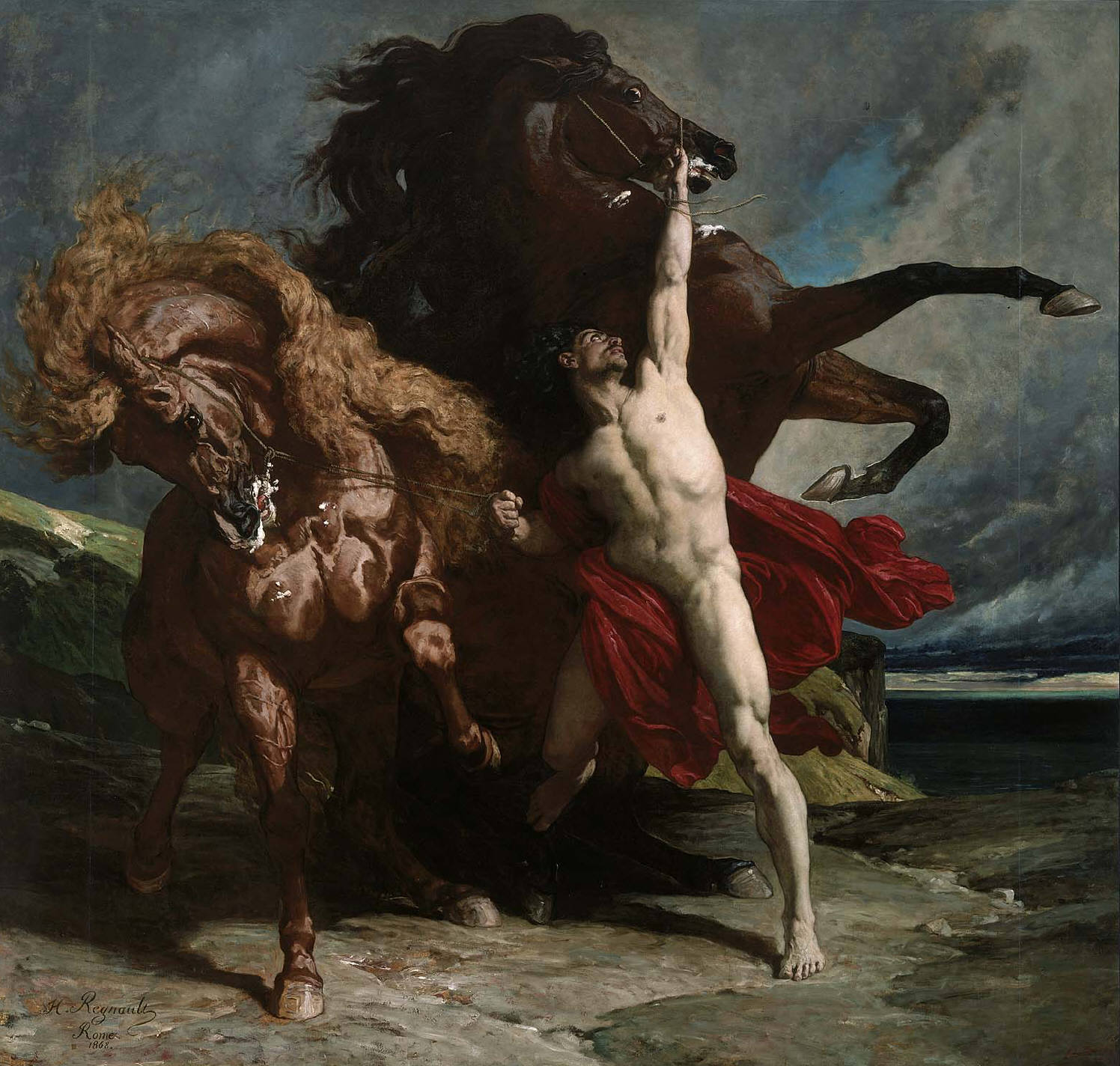
Achilles' chariot horses, Balios and Xanthos, are immortal — a wedding gift from the gods to his father Peleus. Patroclus drove them into battle. When he is killed, the horses refuse to move. They stand still on the battlefield, heads bowed, and weep.
Zeus sees them and, for a moment, regrets that deathless creatures were ever given to mortals — to share in human grief. Their driver Automedon can do nothing with them until the gods put strength back into their legs. Later, one of the horses is briefly given a voice: he tells Achilles plainly that his own death is close. Achilles answers that he knows.
XVII.
The Grief of Achilles
Book XVIII
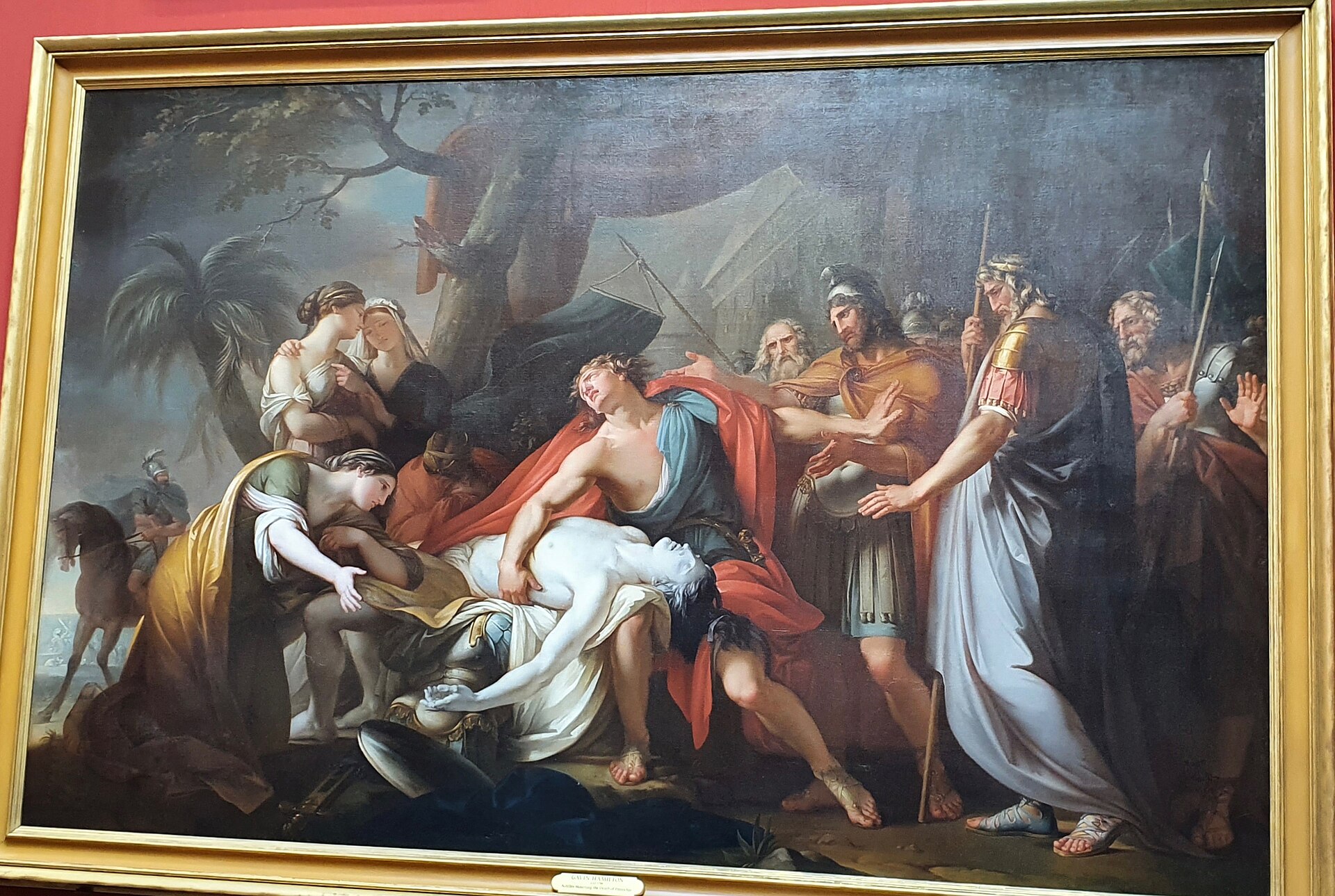
News of Patroclus's death reaches Achilles, and he breaks. He pours dust on his head and claws at the ground; his cry is so terrible that his mother hears it at the bottom of the sea. The quarrel with Agamemnon, the prizes, the pride — none of it matters anymore.
Thetis comes to him and tells him the price: if he kills Hector, his own death follows soon after. Achilles accepts on the spot. His rage at Agamemnon has found a new and final target. He has no armor — Hector is wearing it — but he walks to the trench unarmed, and Athena sets a flame around his head. He shouts three times, and the Trojan army stumbles backward in terror.
Other depictions of this scene
XVIII.
The Armour from the Forge of the Gods
Books XVIII–XIX
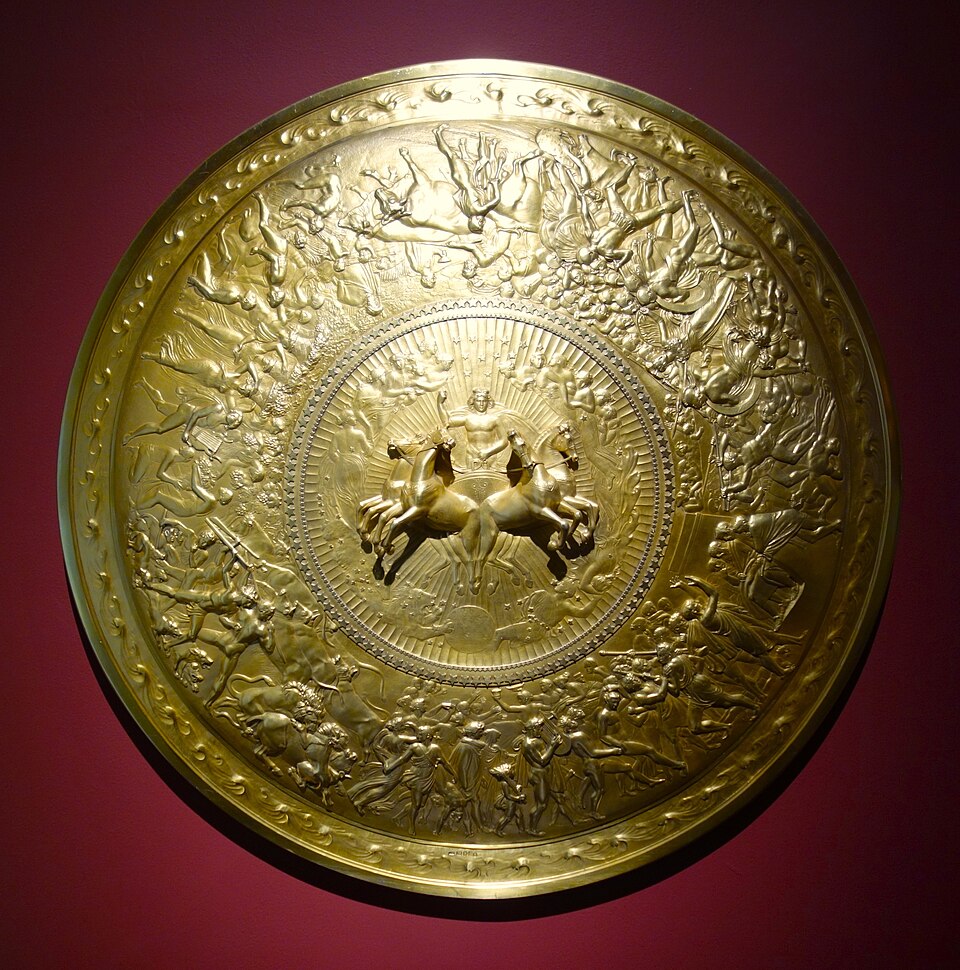
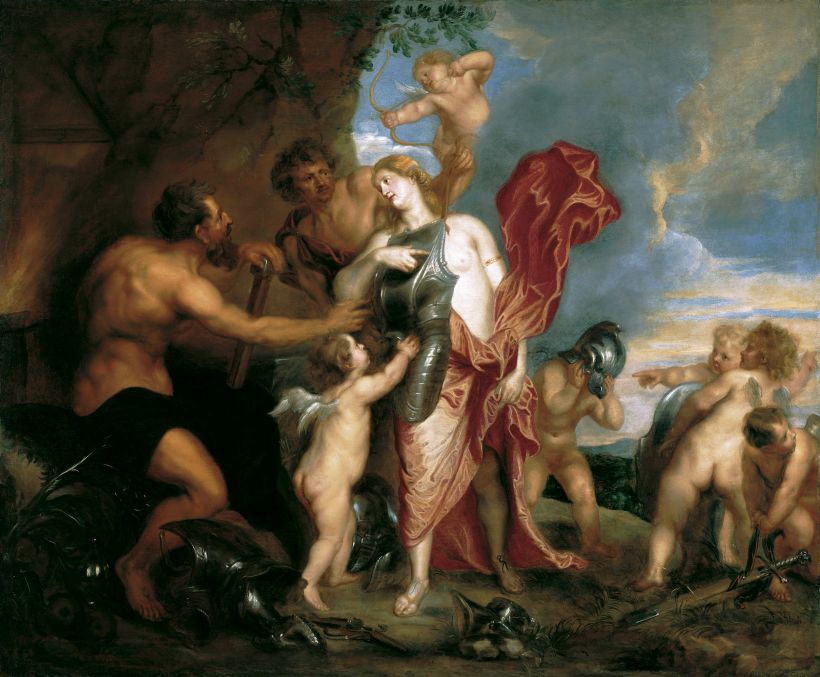
Achilles cannot fight in nothing. Overnight, Thetis goes to Hephaestus — Vulcan to the Romans — the lame smith-god, who owes her a debt from long ago. In his forge he makes Achilles a new set of armor in a single night, including the most famous object in ancient poetry: the shield.
On its surface Hephaestus works images of the whole human world: two cities, one at peace with weddings and law courts, one at war; plowing and harvest; herds, dancers, a vineyard; the ocean running around the rim. It is everything Achilles is about to leave. Thetis delivers it at dawn, and Achilles finally makes peace with Agamemnon — the quarrel dissolved not by treasure but by grief.
Other depictions of this scene
XIX.
The Death of Hector
Book XXII
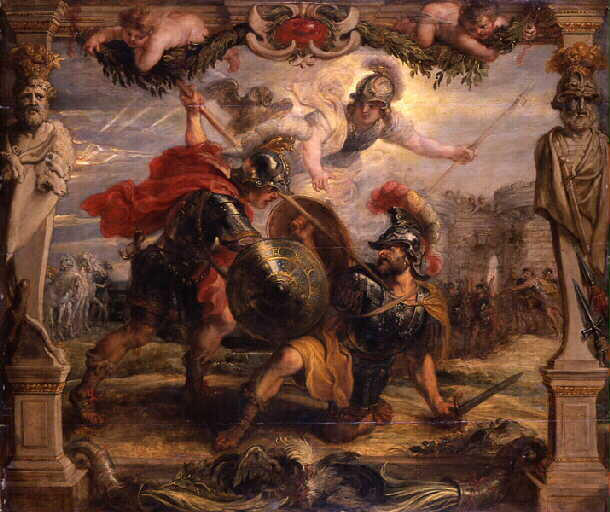
Achilles returns to battle and cuts through the Trojan army like fire through a field. He fights the river god Scamander, who rises against him choked with corpses. When the slaughter ends, every Trojan survivor is inside the walls — except one. Hector stands alone outside the gate, while his parents scream at him from the ramparts to come inside.
When Achilles comes for him, Hector's nerve breaks and he runs. Achilles chases him around the walls of Troy three times. Then Athena tricks Hector — she takes the shape of his brother and promises to fight beside him. He stops and turns. His spear bounces off the divine shield; when he looks around, the 'brother' is gone.
Achilles knows the one gap in his old armor — at the throat — and drives his spear through it. Dying, Hector begs him to return his body to his family. Achilles refuses: he says he wishes he could eat him raw. Troy's one indispensable man is dead, and everyone on both walls knows the city has just died with him.
XX.
The Triumph of Achilles
Book XXII
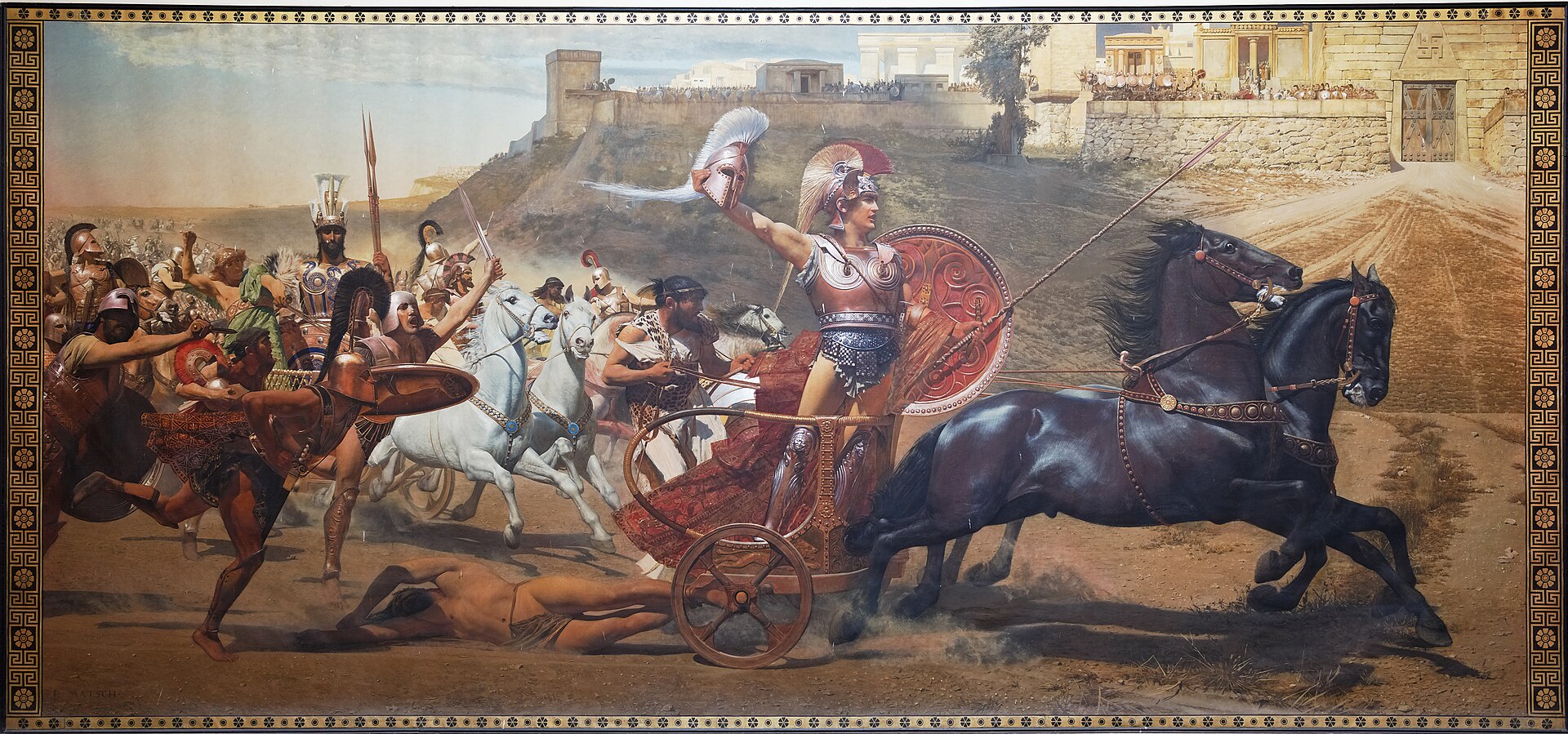
Achilles is not finished. He cuts the tendons of Hector's ankles, threads leather straps through them, ties the body to the back of his chariot, and whips the horses. He drags Hector's corpse around the walls of Troy in the dust, in full view of the man's family, then keeps the body by his tent and drags it around Patroclus's tomb every morning.
The gods are disgusted — this is desecration, and Hector was always faithful to them. Apollo shields the corpse from damage day after day. But Achilles is past caring about gods or rules. Grief has burned everything out of him except this.
XXI.
Andromache Mourning
Book XXII–XXIV
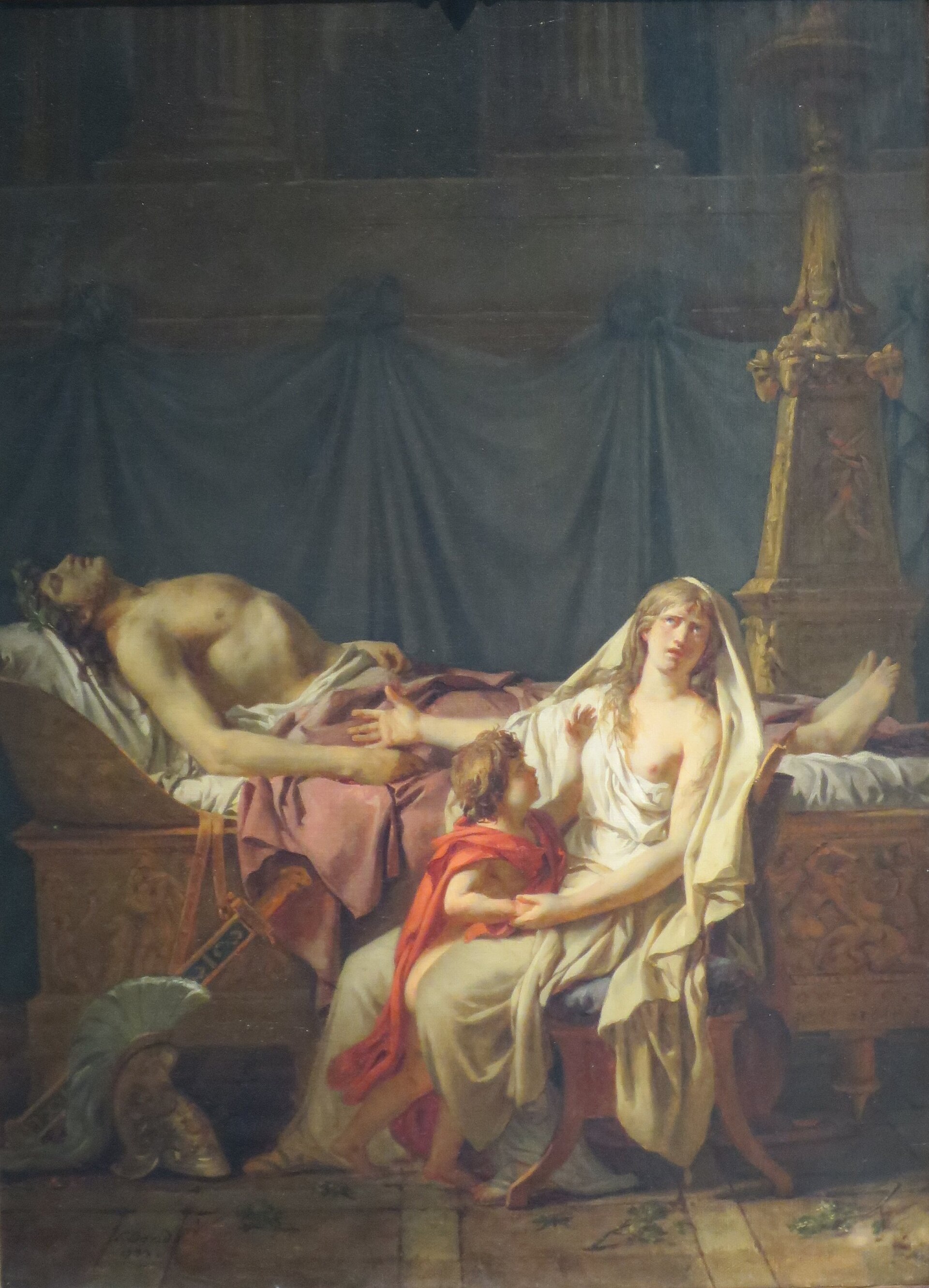
Andromache is at home weaving and heating bathwater for Hector when she hears the screaming from the walls. She runs up, sees her husband's body behind Achilles' chariot, and faints. When she comes to, she speaks the poem's bleakest speech — not about love, but about what happens next: a widow in a doomed city, and a fatherless boy whom no one will protect.
She is right about all of it. When Troy falls, the victors will throw her son Astyanax from the walls, and Andromache will be handed to the son of Achilles as a slave. Homer's audience knew this; the grief in this scene is for things that have not happened yet.
XXII.
Priam in the Tent of Achilles
Book XXIV
Patroclus is burned on a great pyre, and Achilles holds funeral games in his honor — but he still cannot sleep, and Hector's body still lies by his tent. On Olympus, the gods decide it has gone on long enough. Zeus sends word to both sides: Achilles will accept a ransom, and Priam will bring it.
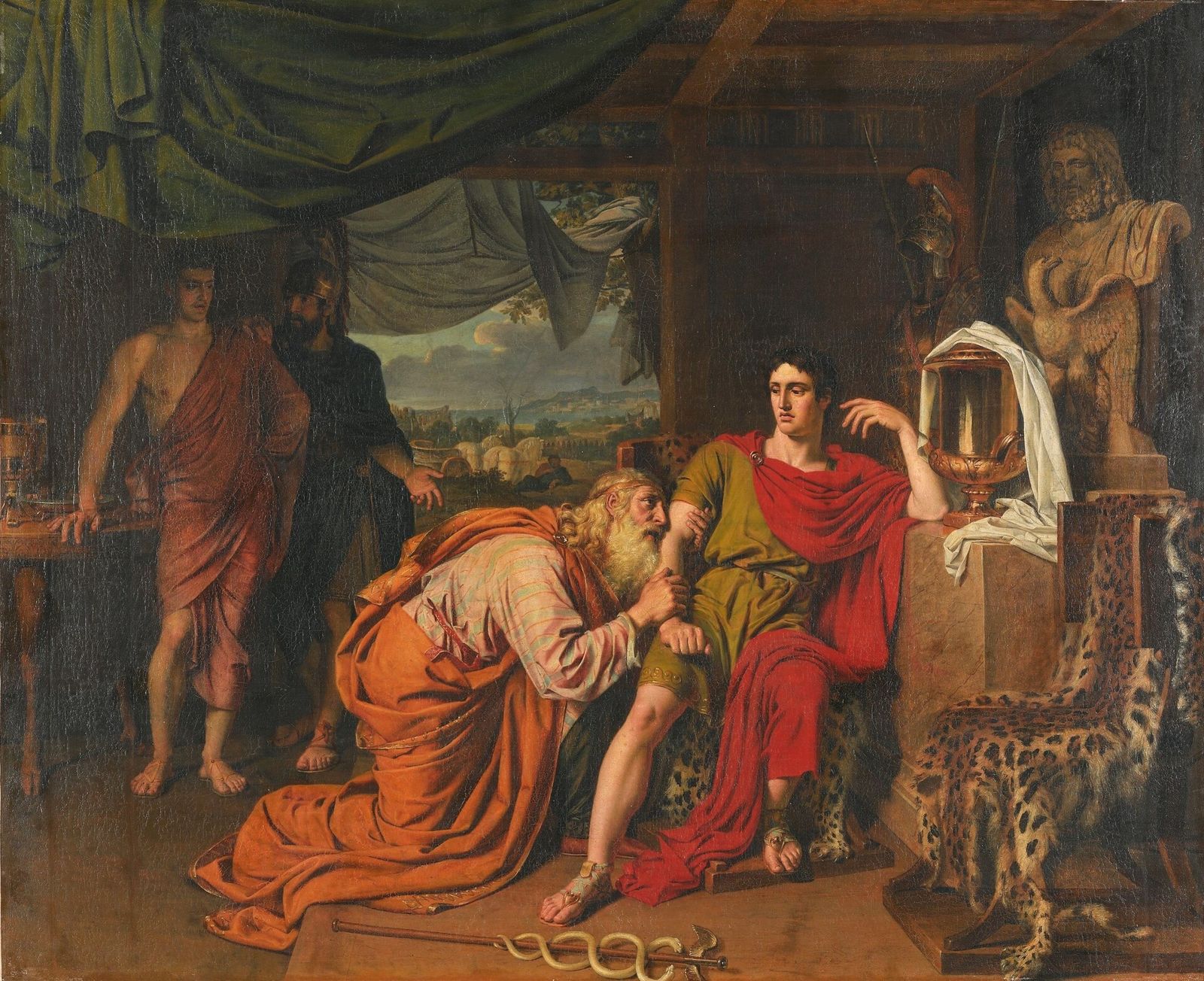
So the old king of Troy loads a wagon with treasure and drives at night, alone, into the enemy camp — guided, unseen, by the god Hermes. He walks into Achilles' shelter, kneels, and kisses the hands that killed his son. He asks Achilles to think of his own father, an old man who will also wait for a son who is never coming home.
It works where nothing else could. Achilles thinks of Peleus and starts to cry — Priam crying with him, each man weeping for his own dead. Achilles returns the body, and the two enemies share a meal. The Iliad does not end with the wooden horse or the fall of the city. It ends here: with a funeral truce, and Troy burying Hector, tamer of horses.
Other depictions of this scene
XXIII.
The Death of Achilles
Epilogue — beyond the poem
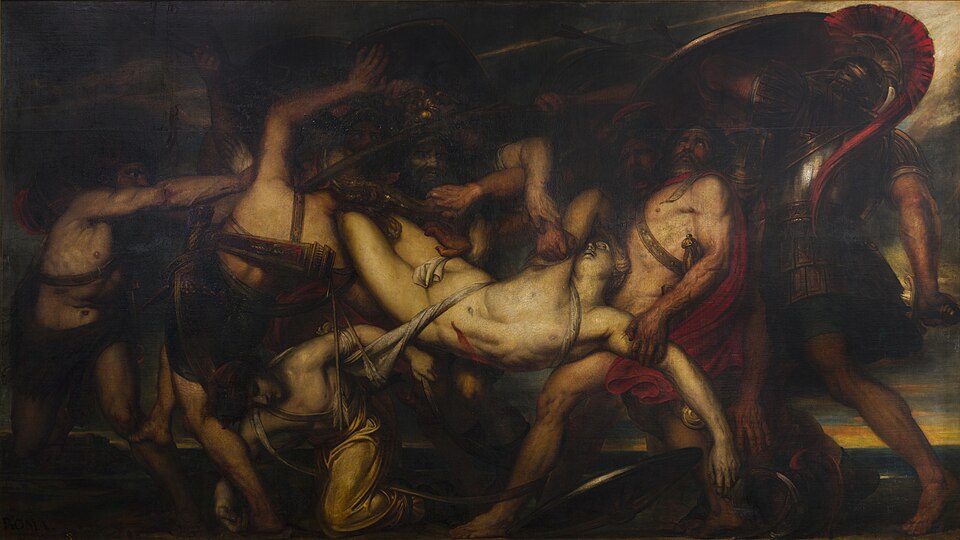
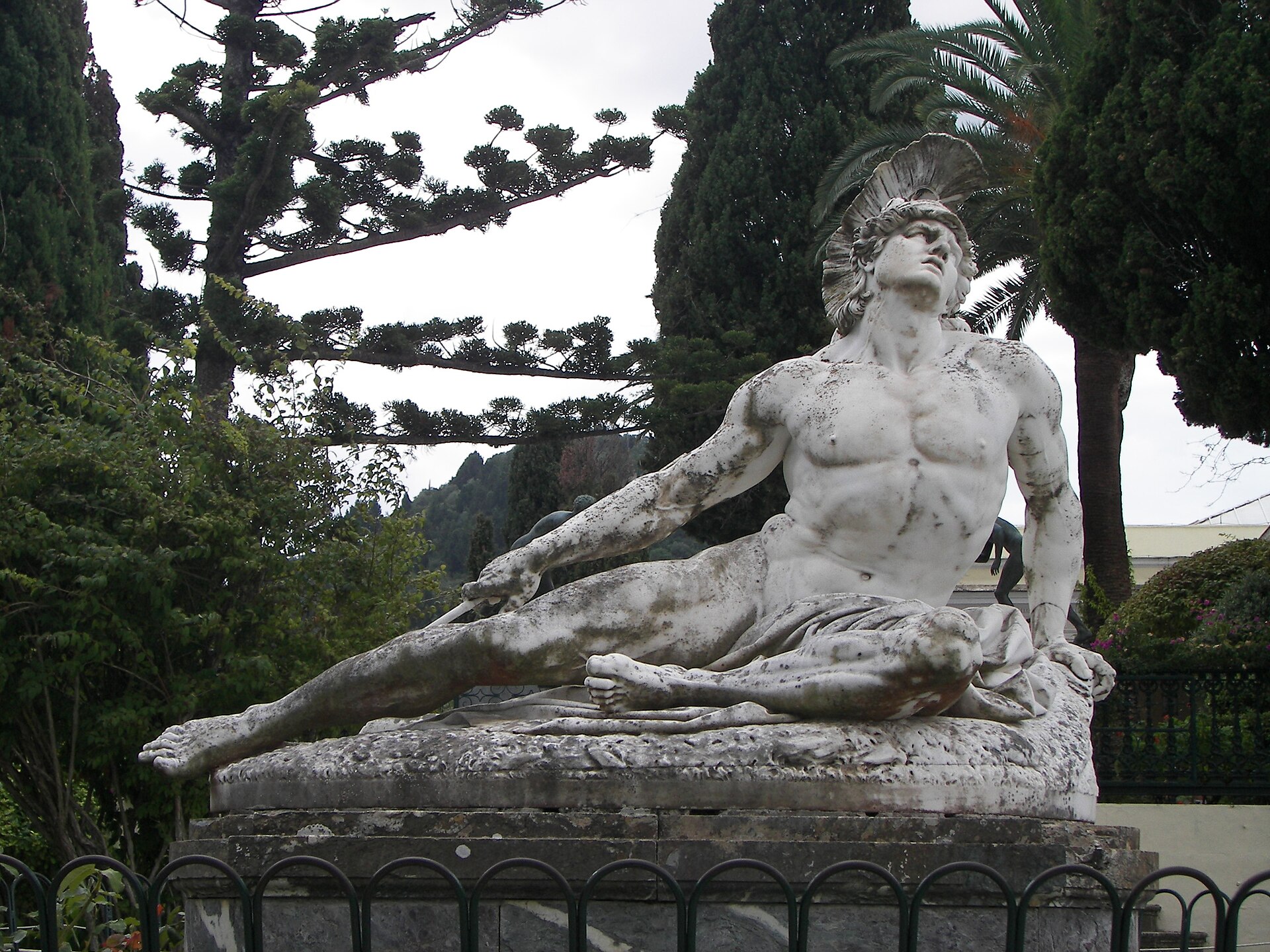
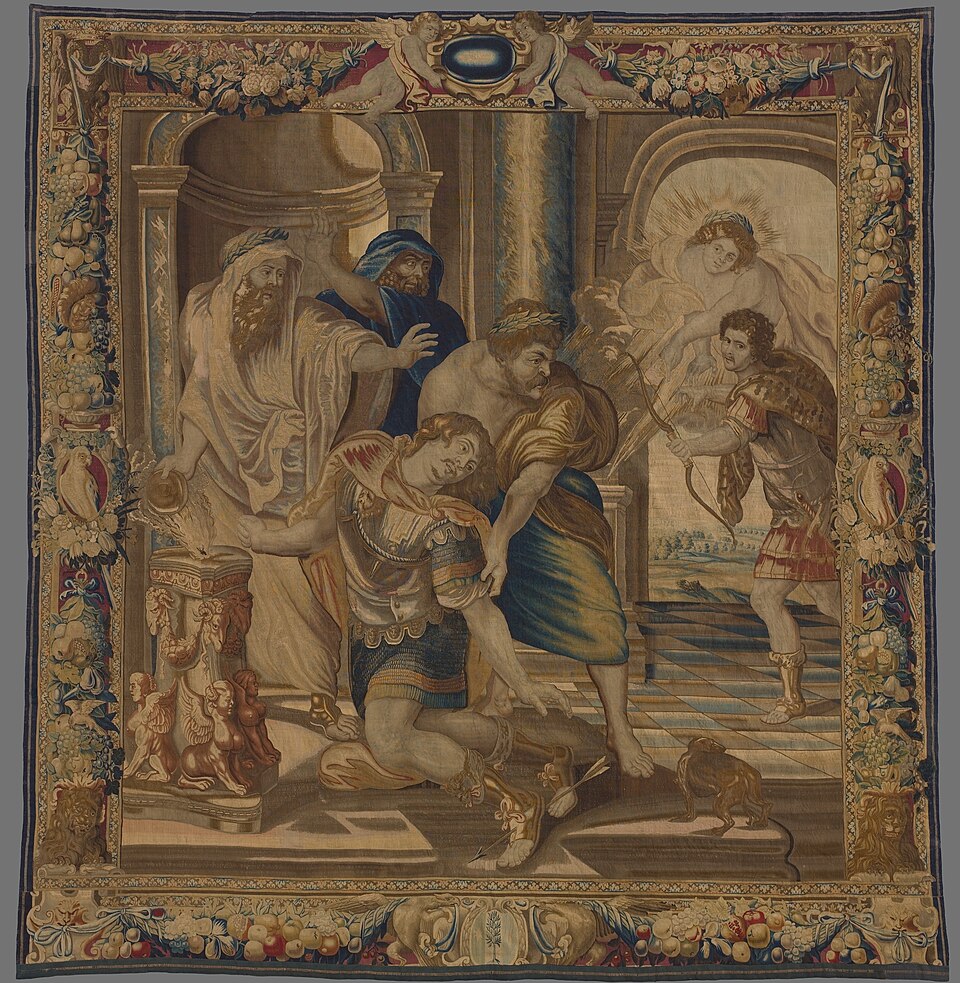
Homer's poem stops, but the story doesn't. Achilles' promised death comes soon after Hector's. In the fighting at the city gates, Paris — the man who started it all, no one's idea of a great warrior — shoots an arrow, and Apollo guides it into Achilles' one mortal spot: the heel his mother held when she dipped him in the Styx.
The greatest warrior of the age is killed by the war's least impressive man. The Greeks fight all day to recover his body, Ajax carrying the corpse while Odysseus holds off the Trojans. Achilles gets exactly the bargain he chose: a short life, and a name that has now outlasted the city he died attacking.
Other depictions of this scene
XXIV.
The Madness of Ajax
Epilogue — beyond the poem
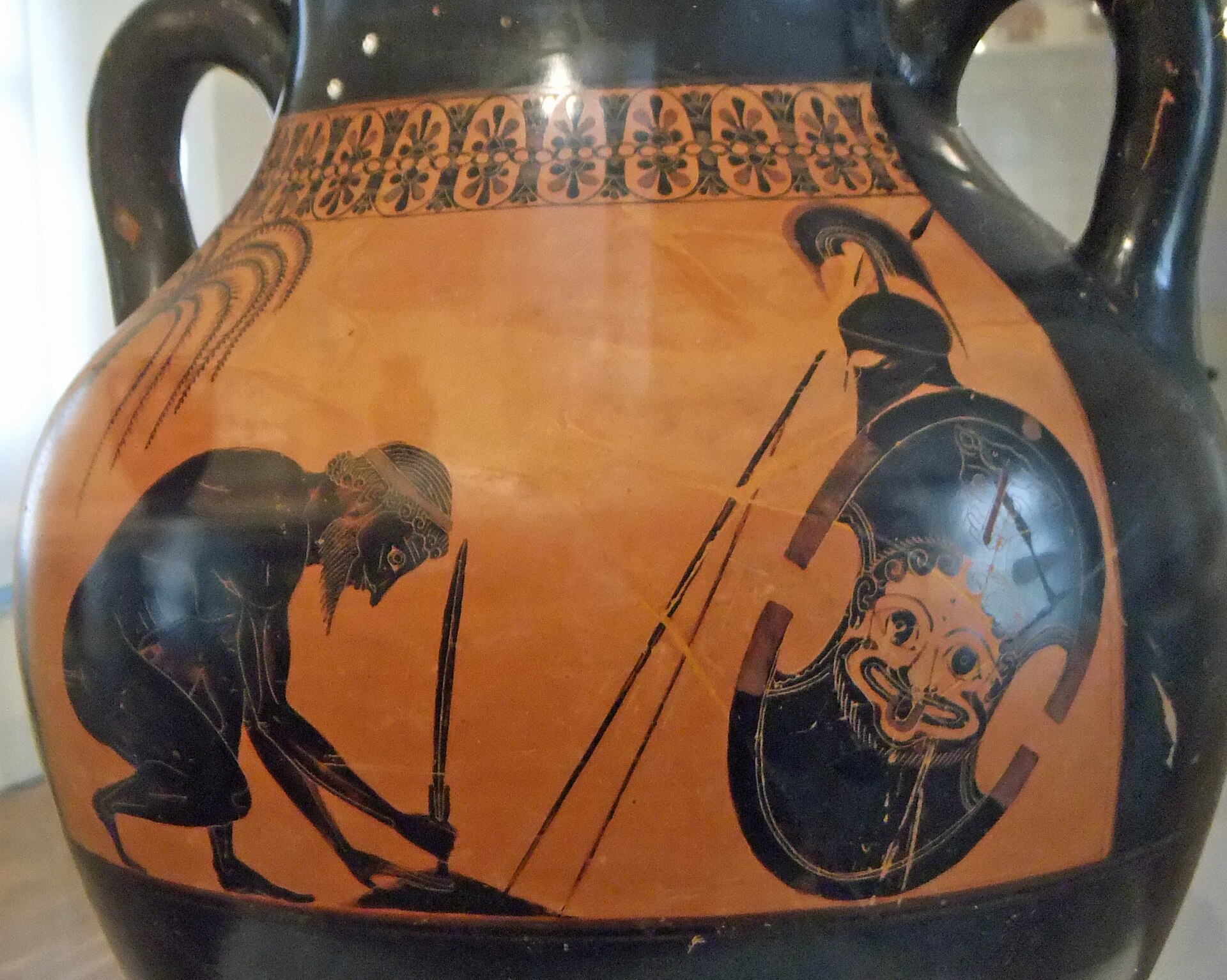
With Achilles dead, his divine armor must go to someone. The two claimants are Ajax — the huge, steady fighter who carried Achilles' body off the field — and Odysseus, the talker. The Greek leaders hold a vote, and the armor goes to Odysseus. For Ajax, who has spent ten years being the army's human wall, it is an unbearable verdict on his worth.
That night Athena strikes him with madness. Meaning to kill the leaders who wronged him, he slaughters a field of sheep and cattle instead. At dawn he comes to his senses surrounded by butchered animals — the strongest man in the army, made ridiculous. He walks to the shore, plants his sword hilt-down in the earth, and falls on it.
XXV.
The Wooden Horse
Epilogue — the fall of Troy
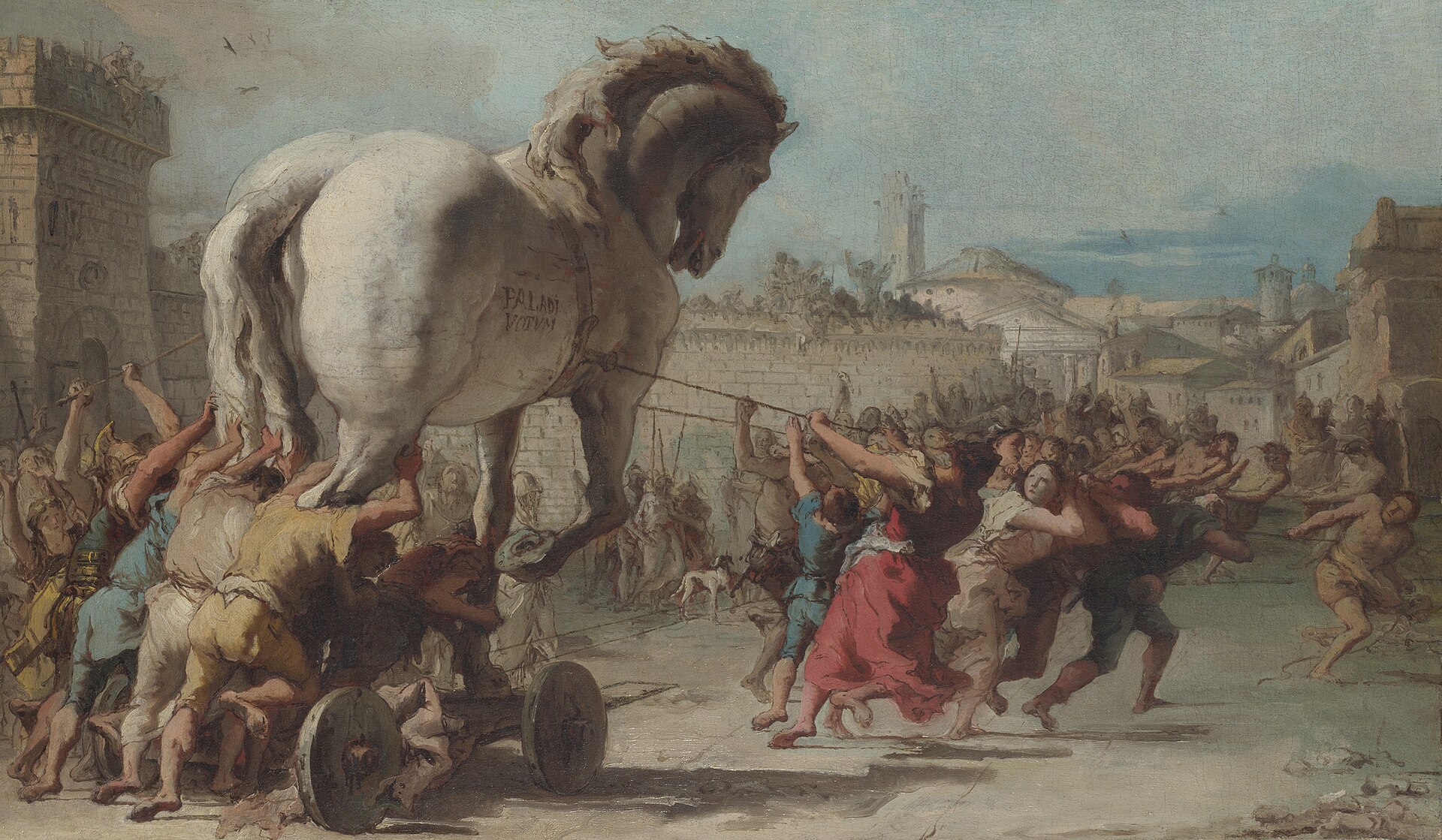
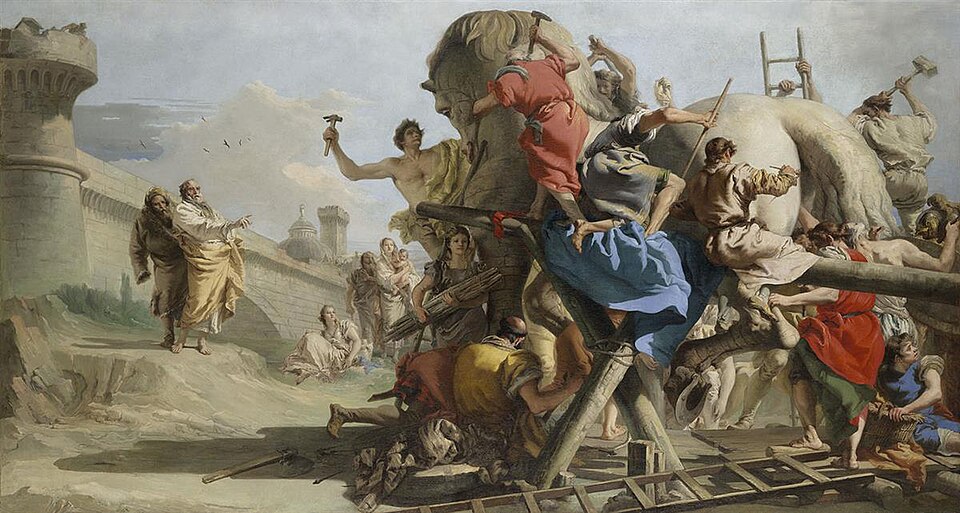
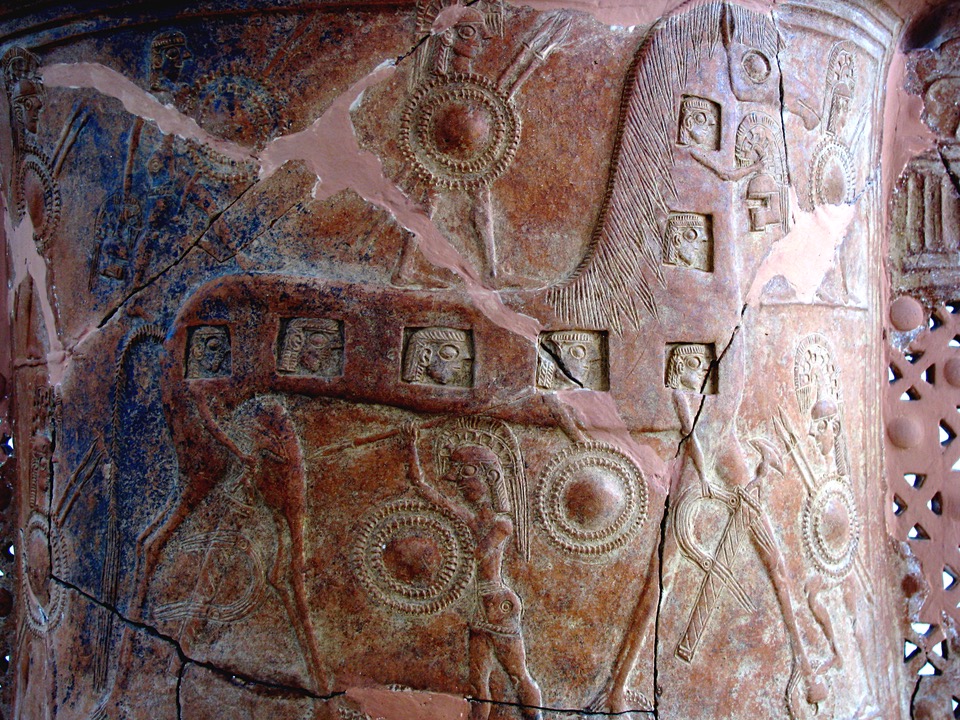
Ten years, and the walls still stand. What the Greeks cannot do with force, Odysseus finally does with theater. The Greeks build an enormous hollow wooden horse, hide their best fighters inside it, and burn their own camp. The fleet sails away — but only as far as a nearby island, where it waits.
The Trojans wake to silence and an empty beach. Where the enemy camped for ten years there is nothing but ashes and one giant wooden offering, inscribed to the goddess Athena. A planted Greek 'deserter' tells them the story they want to hear: take the horse inside your walls and the city can never be conquered. The Trojans knock a breach in their own defenses and haul it in, celebrating. That night, the hidden Greeks climb out and open the gates.
Other depictions of this scene
XXVI.
Laocoön
Epilogue — the fall of Troy
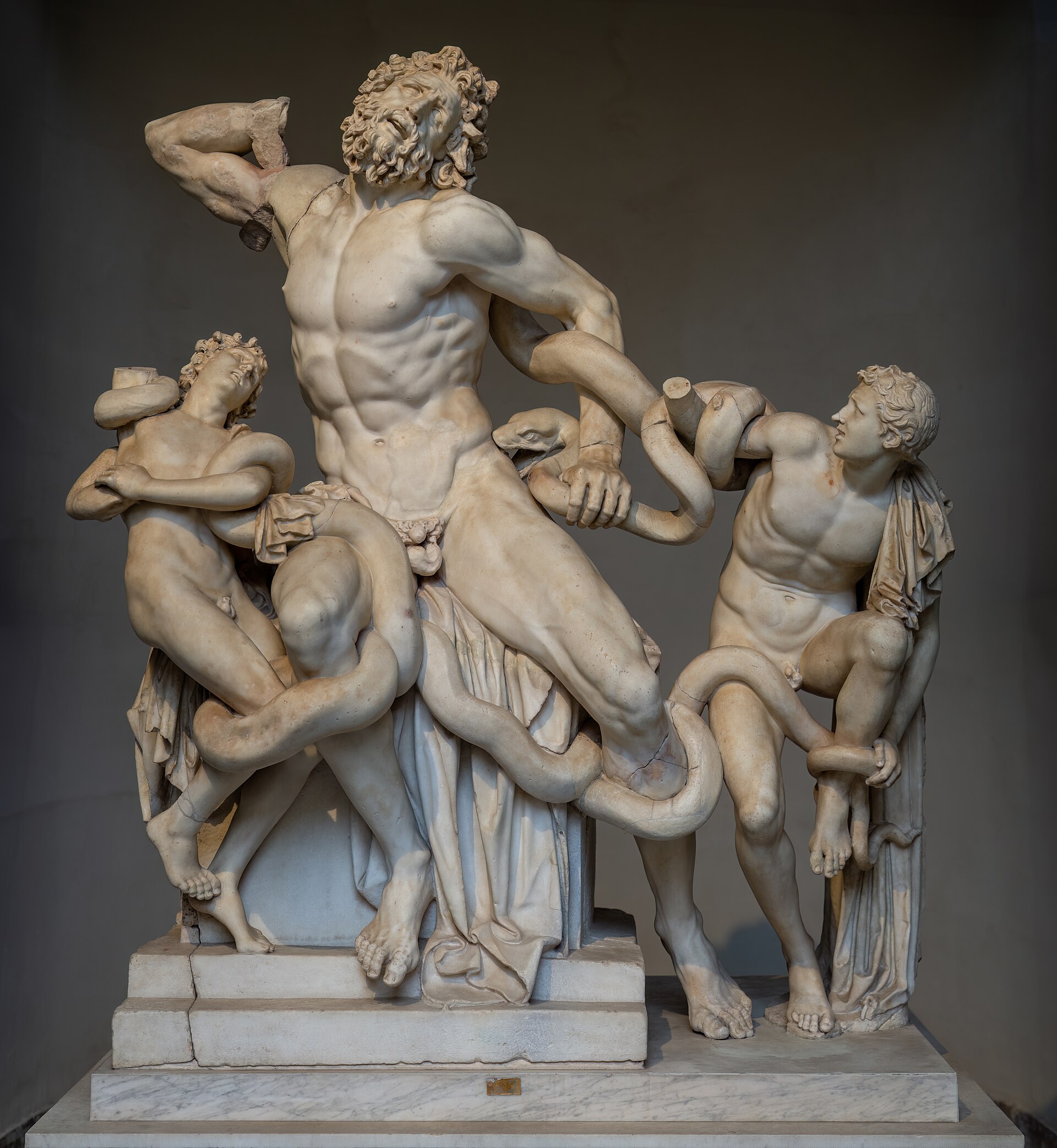
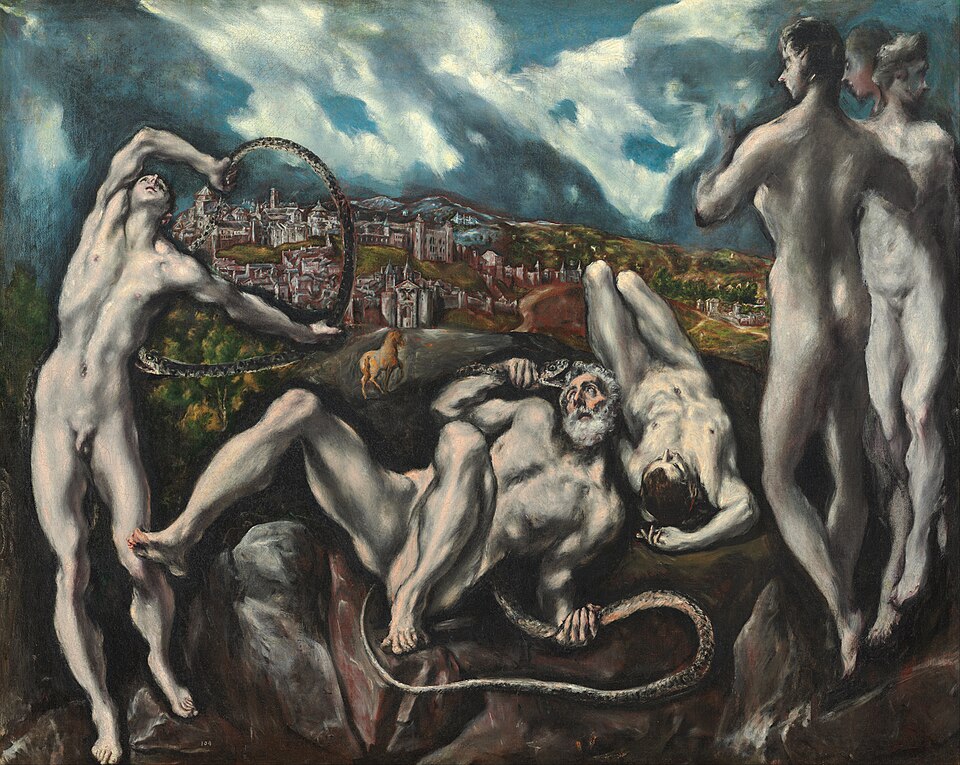
One Trojan sees through it. Laocoön, a priest, warns the crowd that Greeks are never to be trusted, gifts least of all — and hurls his spear into the horse's flank, where it stands quivering in the hollow wood. If anyone had listened, Troy would have survived.
The gods who have decided on Troy's destruction cannot allow that. Two enormous serpents come out of the sea, seize Laocoön's two young sons, and crush all three to death at the altar where he was about to sacrifice. The Trojans draw exactly the wrong lesson: the priest was punished for doubting the offering. The horse rolls through the gate over his body.
Other depictions of this scene
XXVII.
The Fall of Troy
Epilogue — the fall of Troy
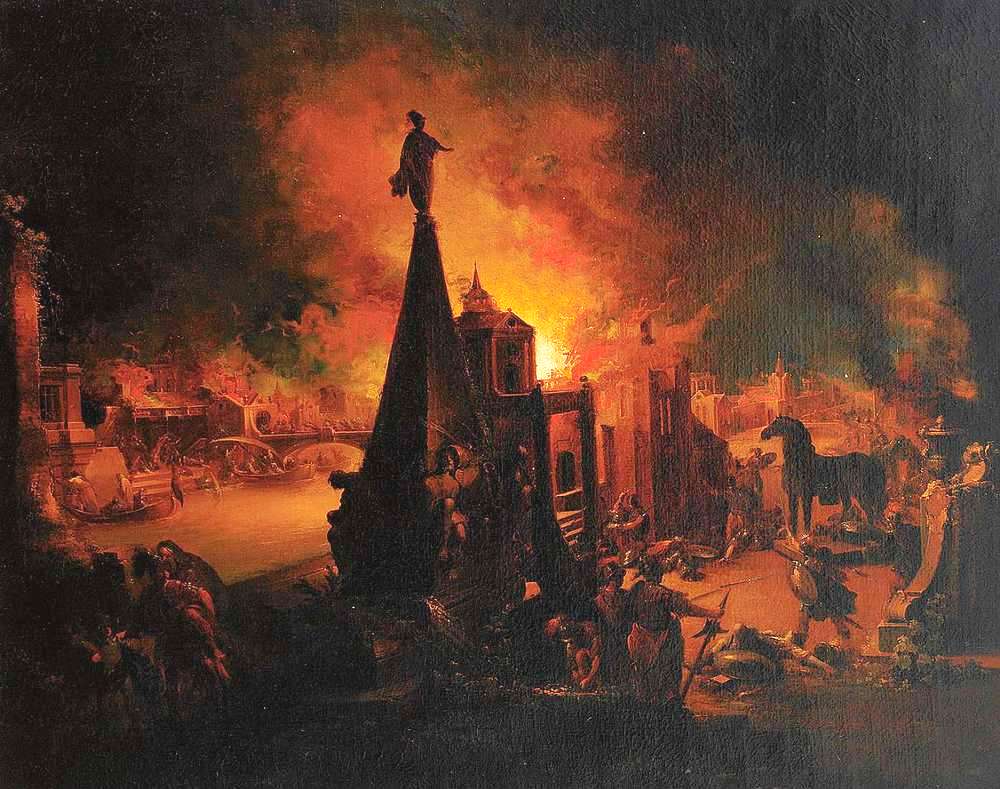
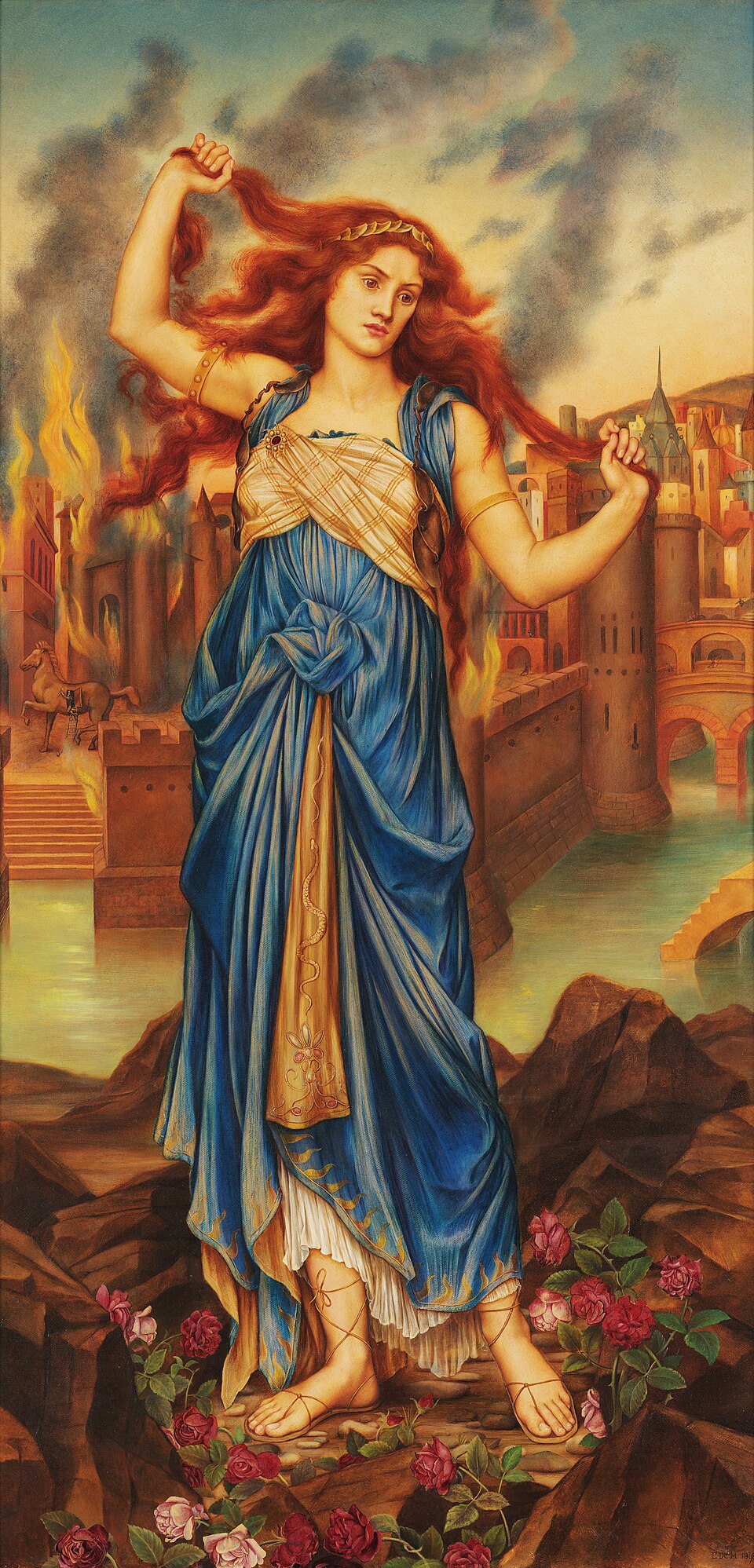
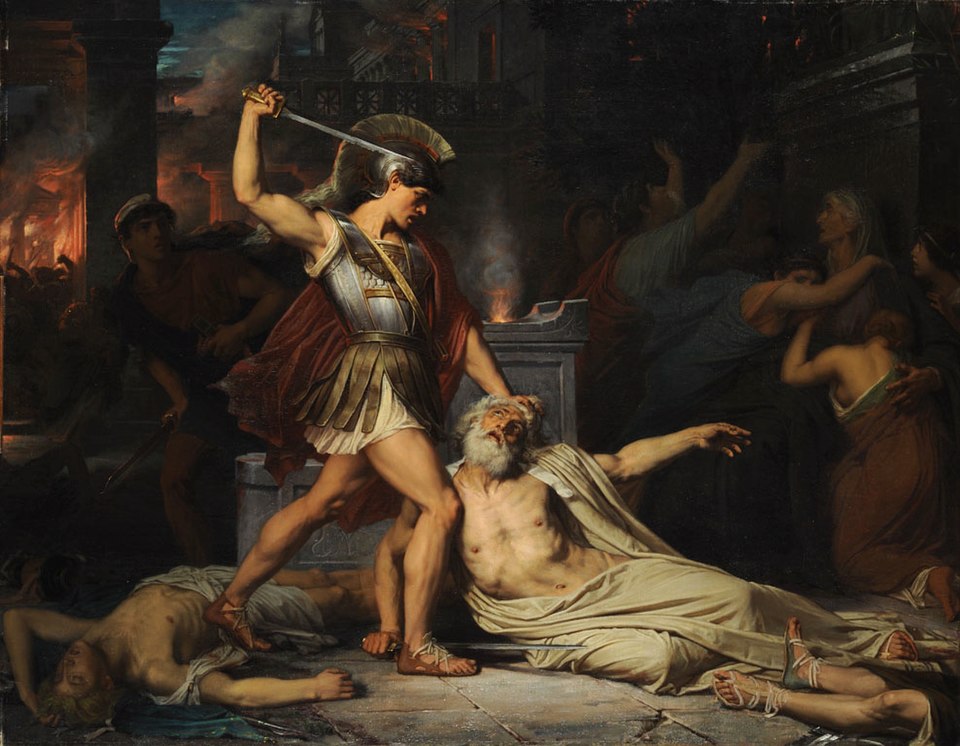
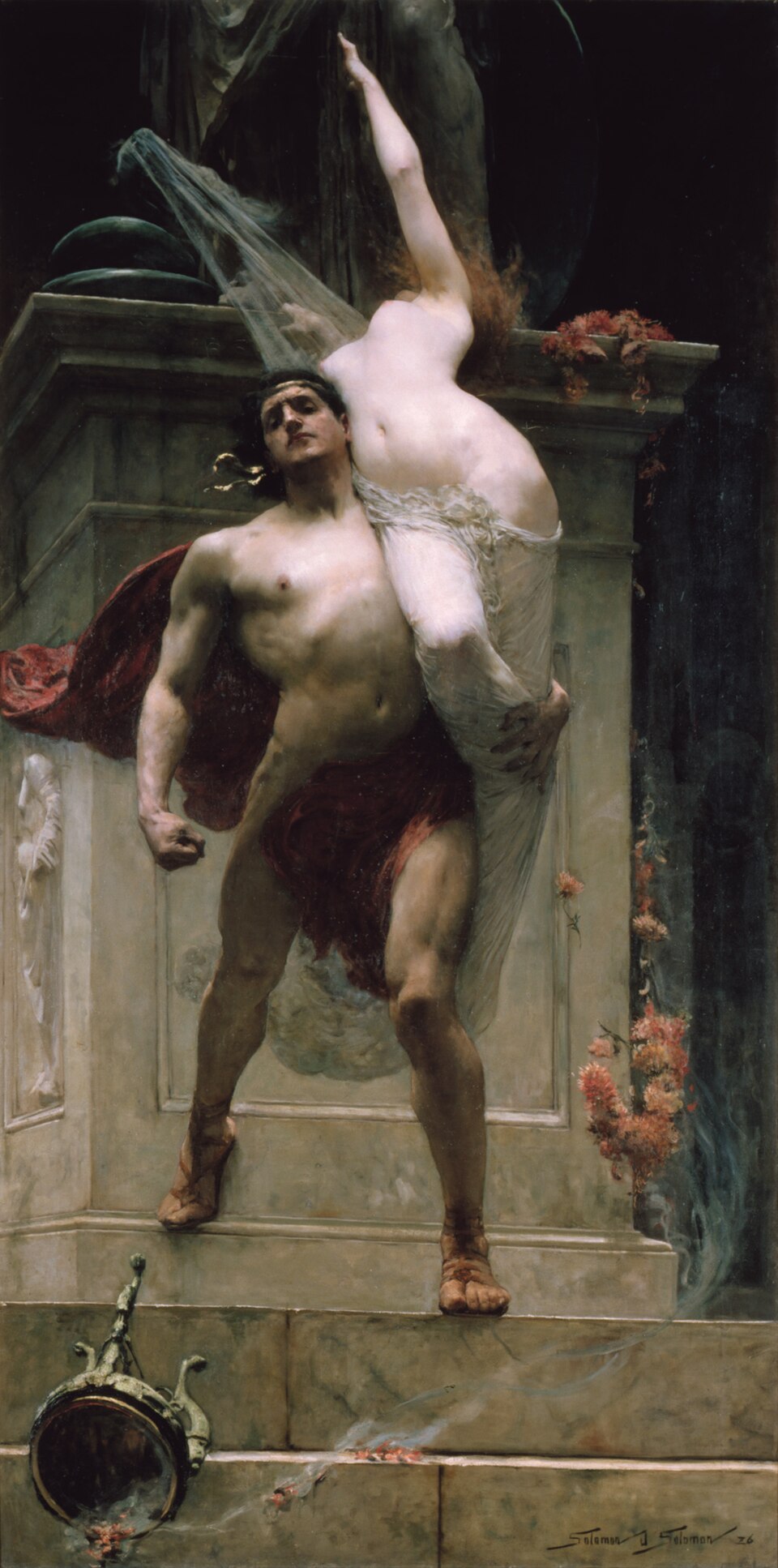
Troy falls in a single night, and it is not a battle — it is a massacre in the dark. The Greeks pour through the opened gates into a sleeping city. Old King Priam is cut down at his own altar by Neoptolemus, Achilles' teenage son. Cassandra, Priam's daughter, who was cursed to prophesy the truth and never be believed, is dragged from Athena's temple.
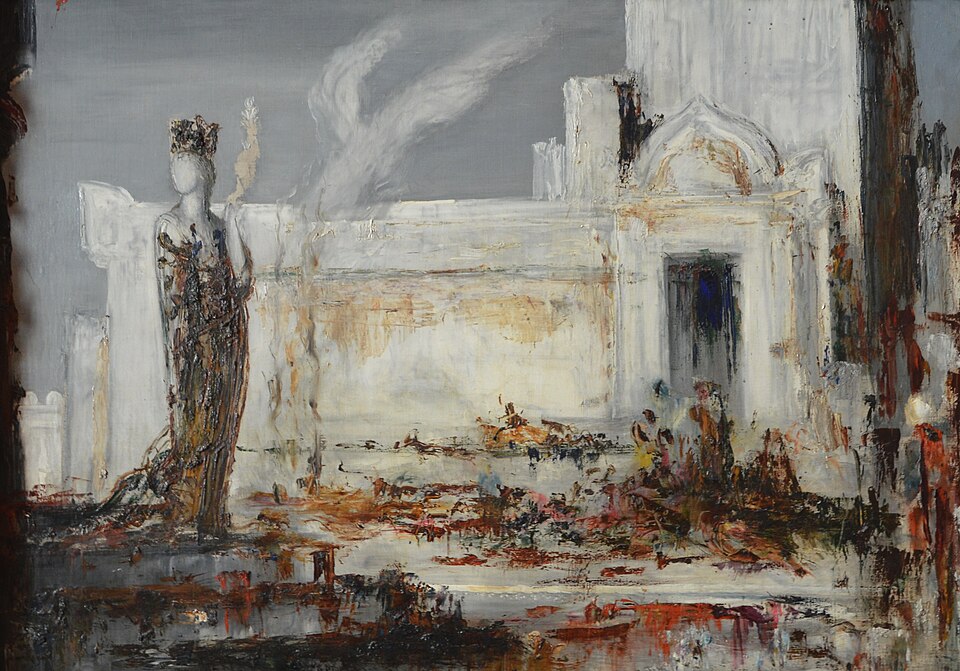
Hector's small son is thrown from the walls. The women of the royal house — Hecuba the queen, Andromache, Cassandra — are divided among the victors as slaves. Helen, the cause of it all, is taken back by Menelaus, who raises his sword to kill her and drops it at the sight of her face.
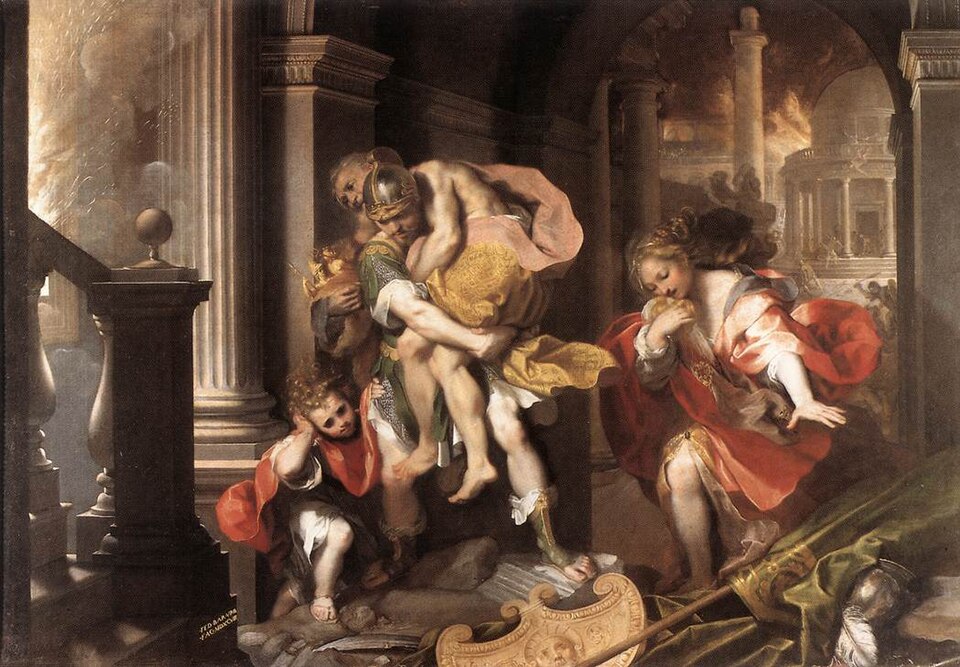
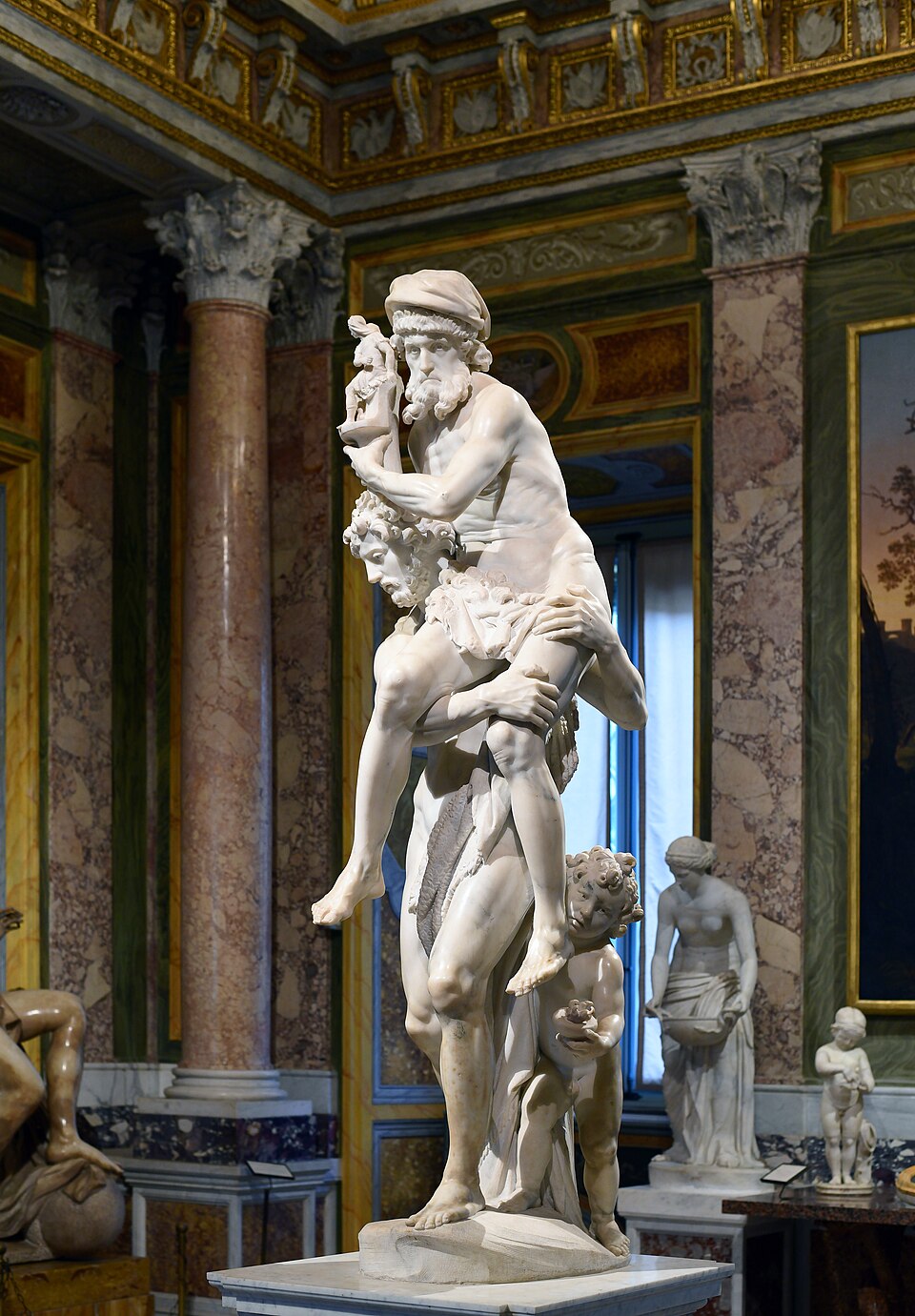
A handful escape. Aeneas, a Trojan prince, carries his old father on his back out of the burning city, his young son holding his hand — the remnant that Roman legend says will one day found Rome. The Greeks sail home to their own disasters, and the ten-year war ends the way the gods planned it at a wedding: in fire.
Other depictions of this scene